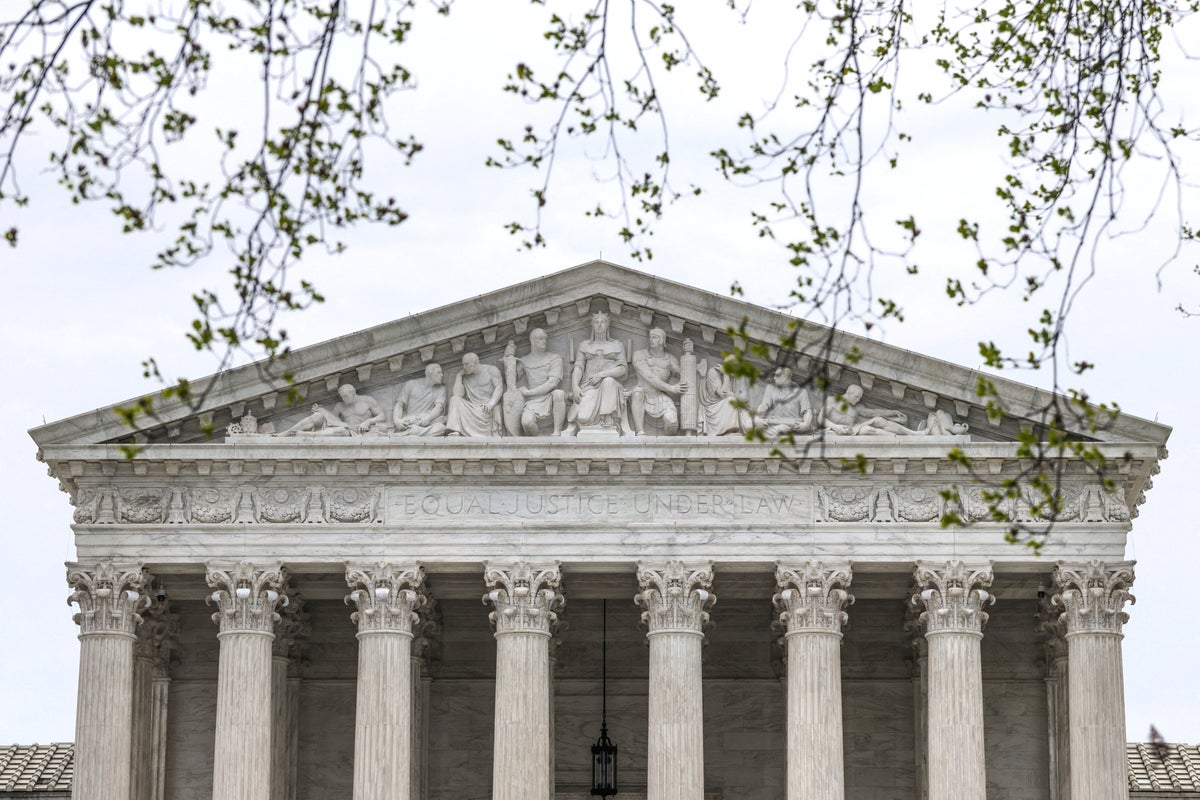
The Supreme Court is poised to rule on a critical digital privacy issue: whether geofence warrants, a powerful police tool, violate the Fourth Amendment's ban on unreasonable searches.
This legal challenge stems from cases like Okello Chatrie's, who stole $195,000 from a bank in suburban Richmond, Virginia.
He eluded police until a geofence warrant compelled Google to provide location histories of devices within a virtual perimeter near the crime scene, identifying his phone among a handful of others.
The high court's decision will be the latest attempt to apply a 1791 constitutional provision to technologies unimaginable to its founders.
Chatrie's appeal is one of two cases being argued Monday. The other is an effort by Bayer to have the court block thousands of state lawsuits alleging the global agrochemical manufacturer failed to warn people that its popular Roundup weedkiller could cause cancer.
Geofence warrants turn the usual way of pursuing suspects on its head. Typically, police identify a suspect and then obtain a warrant to search a home or a phone.
With geofence warrants, police do not have a suspect, only a location where a crime took place. They work in reverse to identify people who were in the area.
Prosecutors credit the warrants with helping crack cold cases and other crimes where surveillance cameras did not reveal suspects' faces or license plates.
Civil libertarians say that geofences amount to fishing expeditions that subject many innocent people to searches of private records merely because their cellphones happened to be in the vicinity of a crime. A Supreme Court ruling in favor of the technique could “unleash a much broader wave of similar reverse searches,” law professors who study digital surveillance wrote the court.
Investigators used geofence warrants to identify supporters of President Donald Trump who attacked the Capitol in the riot on Jan. 6, 2021, as well as in the search for the person who planted pipe bombs outside the Democratic and Republican party headquarters the night before.
Police also credit these warrants with helping identify suspects in killings in several states, including California, Georgia and North Carolina.
An academic group that works to bridge gaps between the police and communities wrote that the court should avoid an all-or-nothing approach in Chatrie’s case.
The Trump administration's position would allow police to use geofence warrants and similar tools “with no judicial supervision or constitutional safeguards,” according to the Policing Project at the New York University School of Law. Chatrie's lawyers want the court to rule out any use of geofence warrants at all, impeding “legitimate law enforcement activities,” the group wrote.
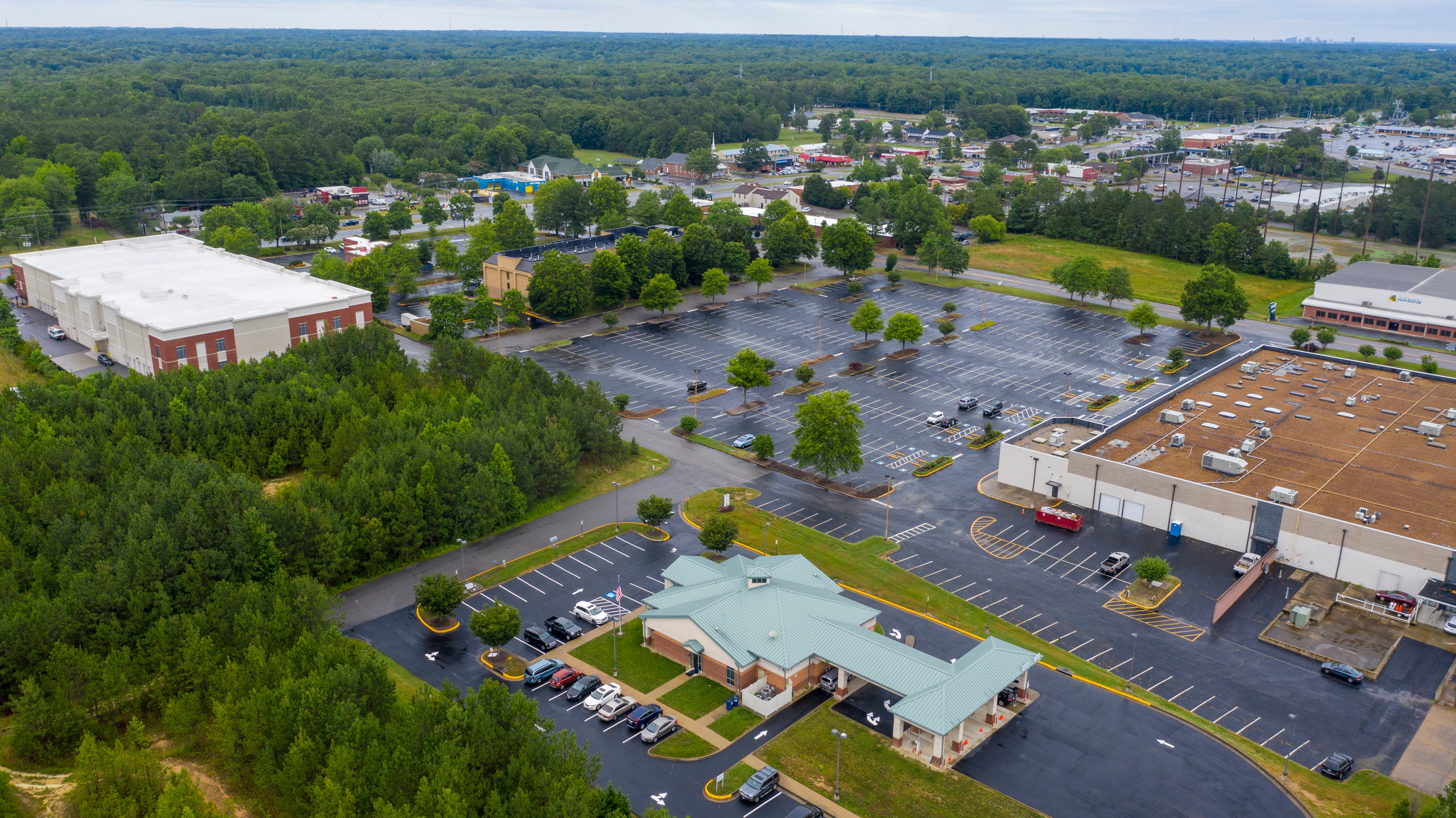
In Chatrie's case, the geofence warrant invigorated an investigation that had stalled. After determining that Chatrie was near the Call Federal Credit Union in Midlothian around the time it was robbed in May 2019, police obtained a search warrant for his home. They found nearly $100,000 in cash, including bills wrapped in bands signed by the bank teller.
He pleaded guilty and was sentenced to nearly 12 years in prison. Chatrie's lawyers argued on appeal that none of the evidence should have been used against him.
They challenged the warrant as a violation of his privacy because it allowed authorities to gather the location history of people near the bank without having any evidence they had anything to do with the robbery. Prosecutors argued that Chatrie had no expectation of privacy because he voluntarily opted into Google’s location history.
A federal judge agreed that the search violated Chatrie’s rights, but allowed the evidence to be used because the officer who applied for the warrant reasonably believed he was acting properly.
The federal appeals court in Richmond upheld the conviction in a fractured ruling. In a separate case, the federal appeals court in New Orleans ruled that geofence warrants "are general warrants categorically prohibited by the Fourth Amendment.”
In the Supreme Court's last case on digital-age searches, in 2018, the court divided 5-4 in favor of a defendant whose movements were tracked by authorities for nearly four months, without a warrant, through the review of cellphone tower data.
An issue in that case that also appears in Chatrie's is whether the defendant had an expectation of privacy that would trigger Fourth Amendment protections.
The Supreme Court has previously ruled that information shared with third parties cannot be considered private.
But Chief Justice John Roberts wrote in his majority opinion about the extraordinary computing power of cellphones, describing “seismic shifts in digital technology” and "the exhaustive chronicle of location information casually collected by wireless carriers today.”
VCU to create memorial for people whose remains were stolen and dumped in a well
Tariff refunds are now available – but they are going to companies, not shoppers
Locked Capitol doors and more cash for security are the new normal after Minnesota assassination
Trump heads to first White House Correspondents’ Dinner as president: Live
31 sloths die in warehouse en route to Orlando exhibit, officials say
$1,300 and three days of PTO? Welcome to bachelorette parties in 2026