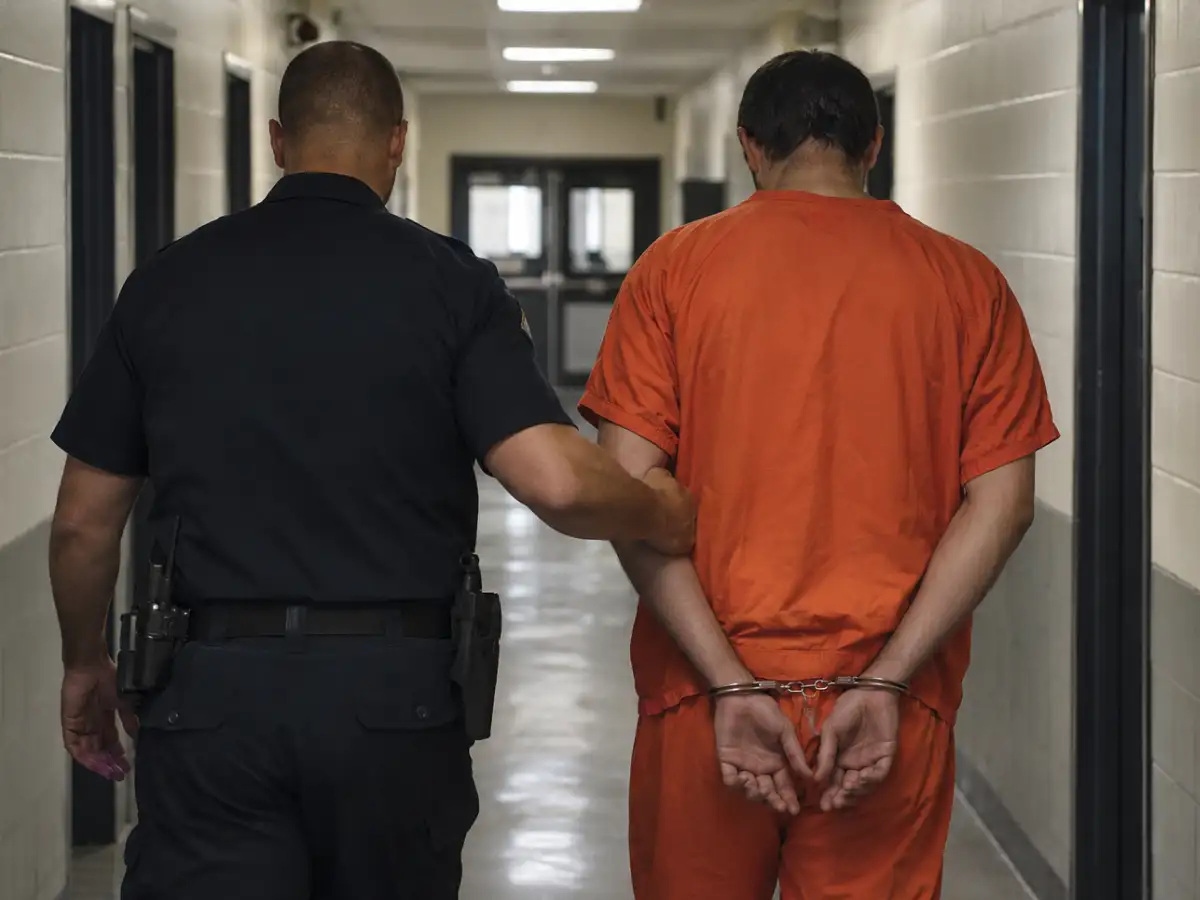
Imagine the police coming to your door and arresting you for a crime committed in a city you have never even been to. That’s what happened to Robert Dillon, a 52-year-old man from Fort Myers, Florida. According to a federal lawsuit filed by the American Civil Liberties Union (ACLU) of Florida, Dillon’s life was irrevocably altered in August 2024, when police arrested him for a crime he did not commit. He was accused of attempting to entice a child at a McDonald’s more than 300 miles from his home, a location he says he never went to.
This isn't some crazy one-off story. It’s a look at how AI facial recognition tools used quietly by police departments all over the US can completely upend an innocent person’s life.
How one grainy photo led to a wrongful arrest
Police responded to reports of an attempted child abduction at a Jacksonville Beach McDonald’s in November 2023. One witness said a man tried to persuade a girl under the age of 12 to go away with him. According to Reason magazine, the responding officer didn’t even get a copy of the security footage; he just took cell phone pictures of the surveillance screen.
Weeks passed with no leads. The investigating officer compared the photos to booking records and the sex offender registry but found no matches. Eventually, he sent the photos to other agencies for help, and that’s when an investigator ran them through facial recognition software, which flagged Dillon. A police report reportedly said the software returned the match with high confidence.
From there it was all downhill. According to the ACLU's official statement, Jacksonville Beach police based their arrest warrant solely on that facial recognition hit and a statement from a restaurant employee who picked Dillon's photo from a lineup.
The issue? Dillon lived hundreds of miles away. Investigators even ran a license plate reader database, the suit says, which showed no sign of Dillon’s vehicles anywhere near Jacksonville Beach in the 48 hours before and after the incident. The case dragged on anyway.