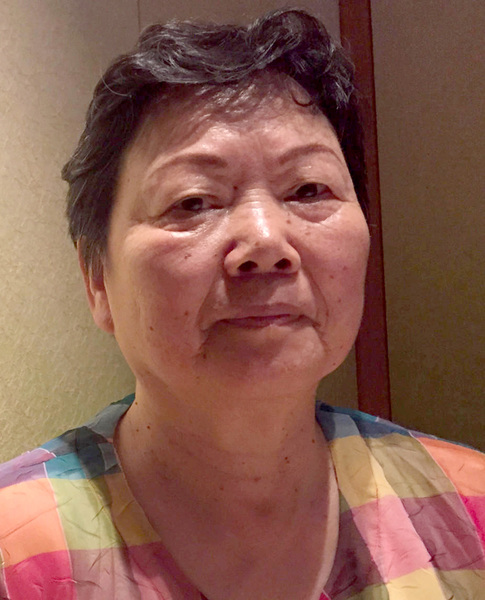
TOKYO _ In April 1960, not yet finished with high school, 17-year-old Eiko Kawasaki boarded a Soviet ship called the Kryl'ion in the Japanese port of Niigata and set sail on the journey of a lifetime, to a place she was told was paradise: North Korea.
She and hundreds of her fellow passengers had heard about free housing and guaranteed jobs in Kim Il Sung's socialist state. And they felt a sense of kinship: All were either ethnic Koreans born in Japan or Koreans brought to Japan to work during the 1910-1945 colonial era, when Japan harshly occupied and ruled the Korean peninsula.
Although Kawasaki wasn't entirely swayed by the utopian propaganda, she figured that North Korea at least would offer her an escape from the discrimination and poverty facing ethnic Koreans in Japan after World War II.
And like millions of idealistic young people around the world at the dawn of the 1960s, Kawasaki saw hope in leftist politics. "There was a thought that maybe socialism was better," recalled Kawasaki, now 74. "Plus, people were thinking that Kim Il Sung could reunite Korea."
To be sure, South Korea would have been a more natural choice _ both her parents were from there. But that was not an option: With South Korea still struggling to recover from the 1950-53 Korean War, U.S.-backed strongman Syngman Rhee was in no mood to accept migrants _ even Koreans who simply wanted to go back to where they had come from.
So over the objections of her parents and four siblings, Kawasaki decided to go to North Korea and check things out. If everything was as promised, she would send for them in a year.
As the Kryl'ion approached the dock in the city of Chongjin, Kawasaki spotted a former classmate on the shore who had returned a few months earlier.
"Turn back!" she recalled him yelling.
It was too late.
It would be more than 43 years before Kawasaki managed to go home.