1/10 - 9 wildlife species that set Rajasthan apart from the rest
Rajasthan, a state often associated with its vast deserts and royal heritage, harbors a surprisingly diverse and unique wildlife that sets it apart from other regions in India and beyond. Its varied landscapes—ranging from the arid Thar Desert to the Aravalli hills, dry deciduous forests, and wetlands—support species that are rare, endemic, or specially adapted to extreme conditions.
2/10 - Great Indian bustard
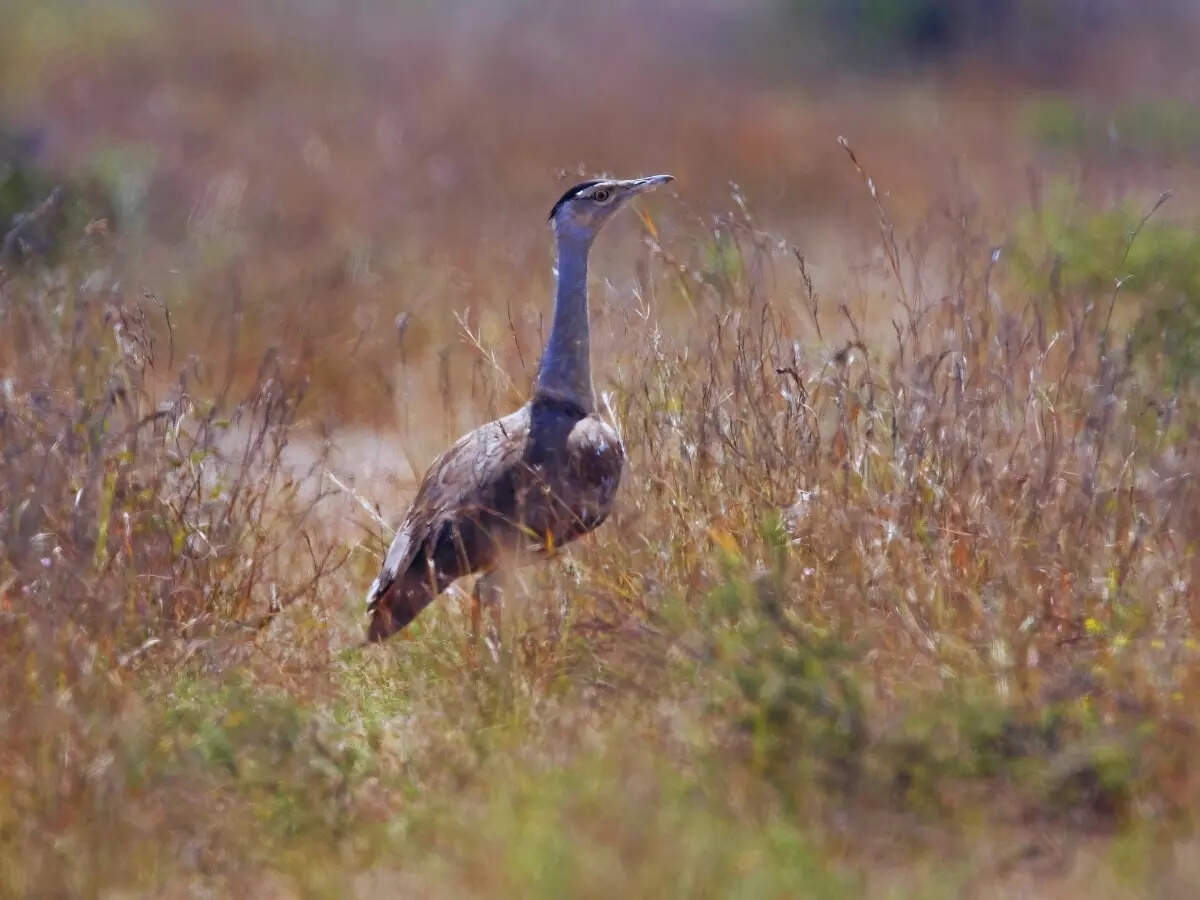
One of the heaviest flying birds in the world, the Great Indian Bustard (GIB) is critically endangered, with fewer than 150 individuals left globally, most of which reside in Rajasthan’s Desert National Park near Jaisalmer. The GIB is a flagship species of the desert ecosystem, and Rajasthan is its last stronghold in India.
3/10 - Indian spiny-tailed lizard
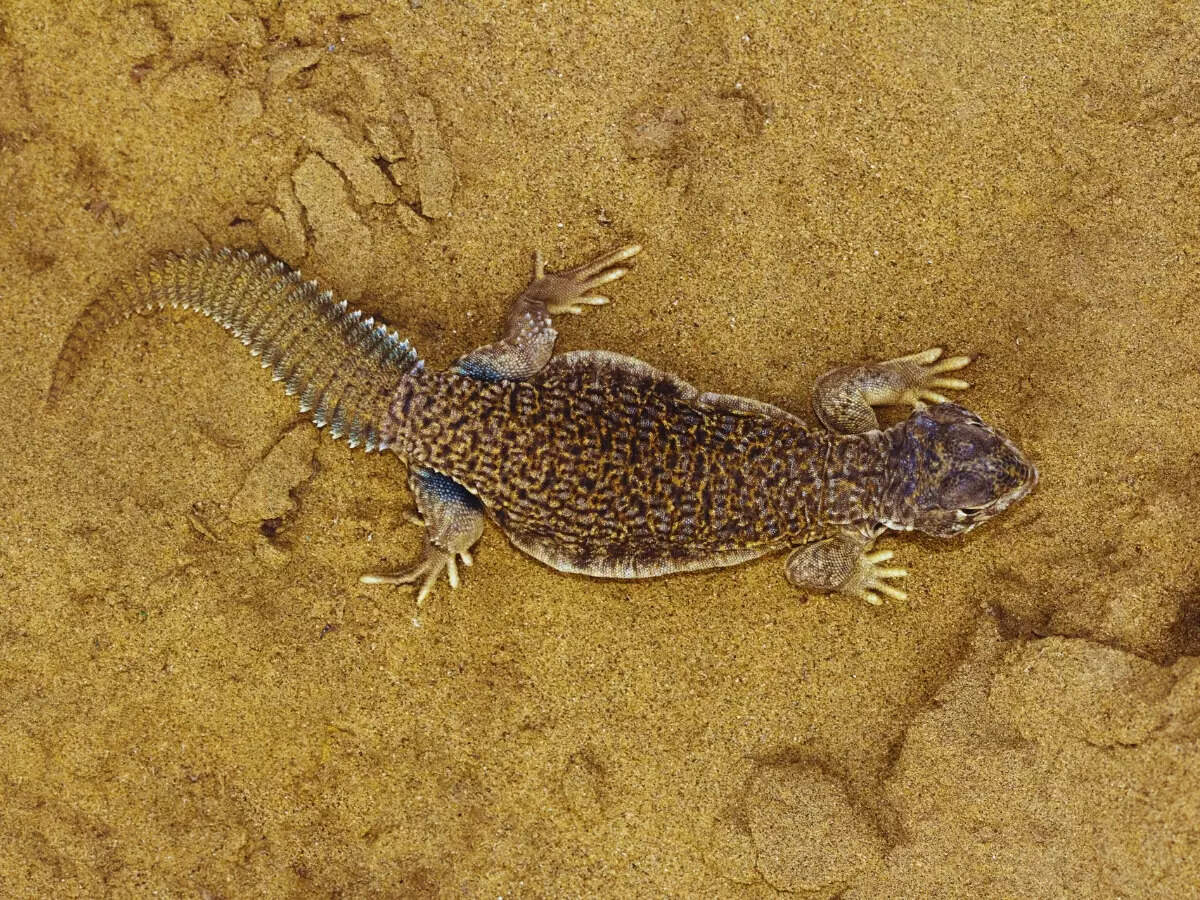
This herbivorous lizard, found in the Thar Desert, has a distinctive spiky tail and a prehistoric appearance. It’s one of the few lizards in the world that’s entirely vegetarian, feeding on desert plants like grasses and succulents—a rare adaptation for a reptile in such a harsh environment.
4/10 - Chinkara
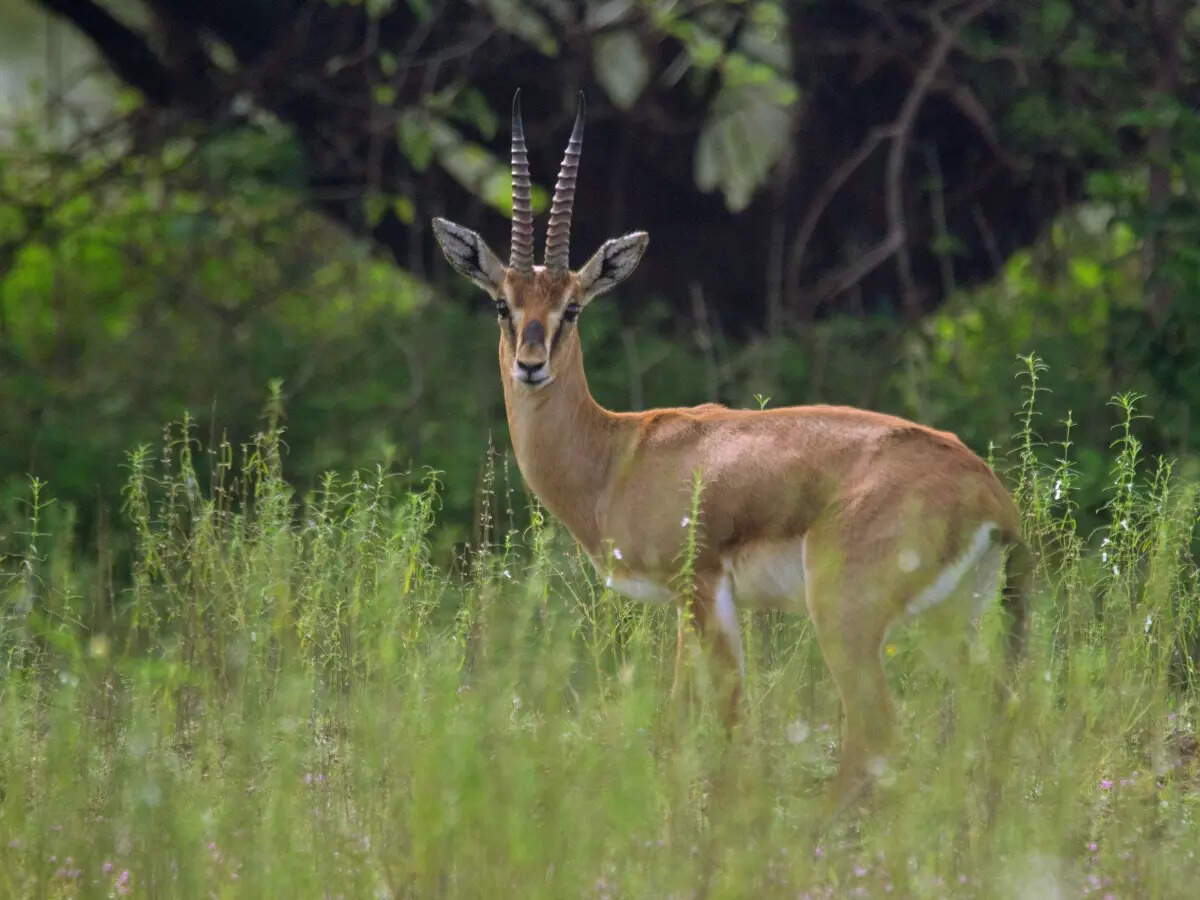
The Chinkara or the Indian gazelle is a small antelope that can survive without drinking water for long periods, extracting moisture from the sparse vegetation of the Thar Desert. Its delicate frame and agility make it a symbol of resilience in arid lands.
5/10 - Caracal
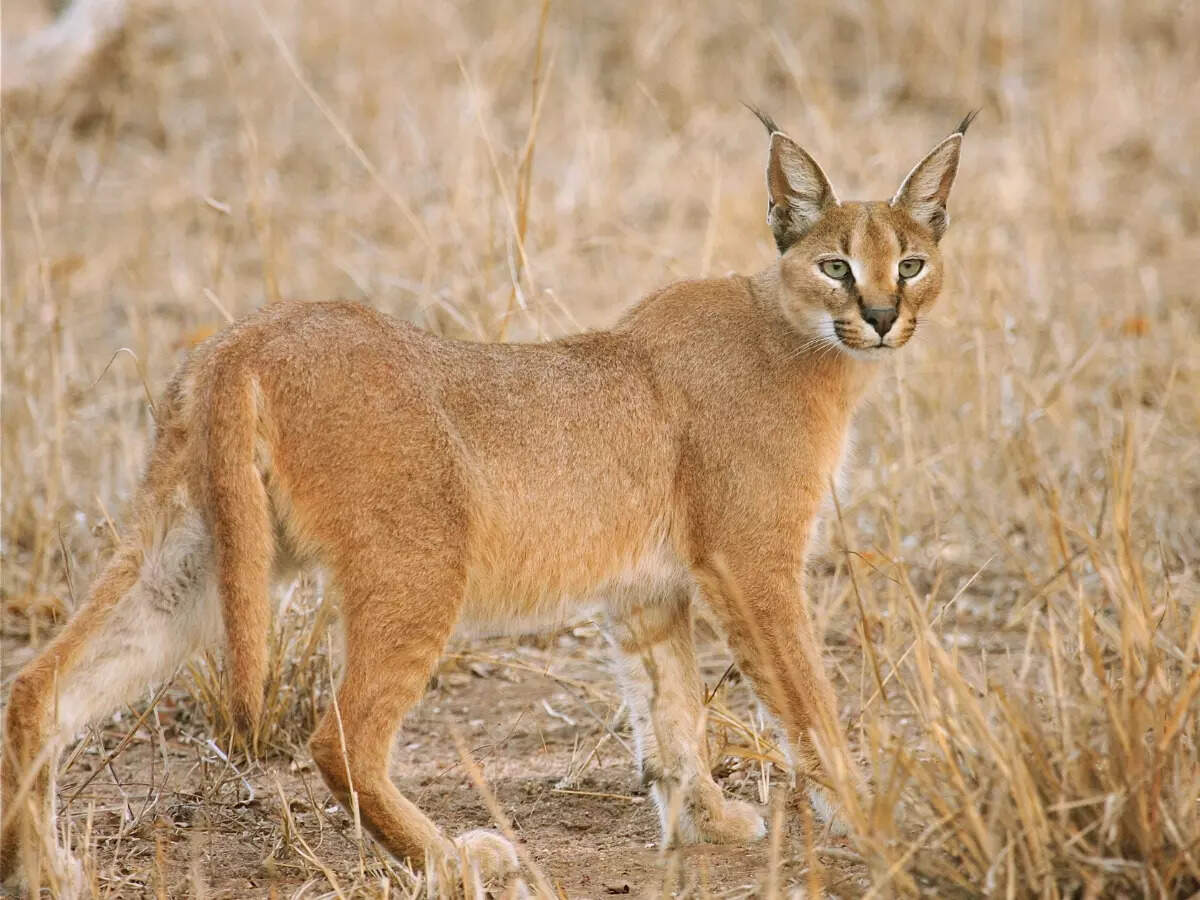
This elusive medium-sized wild cat, with its striking tufted ears and sleek body, is a rare sight globally. In Rajasthan, it inhabits semi-arid regions like the Ranthambore and Sariska reserves, blending desert and scrubland habitats.
6/10 - Asiatic wildcat
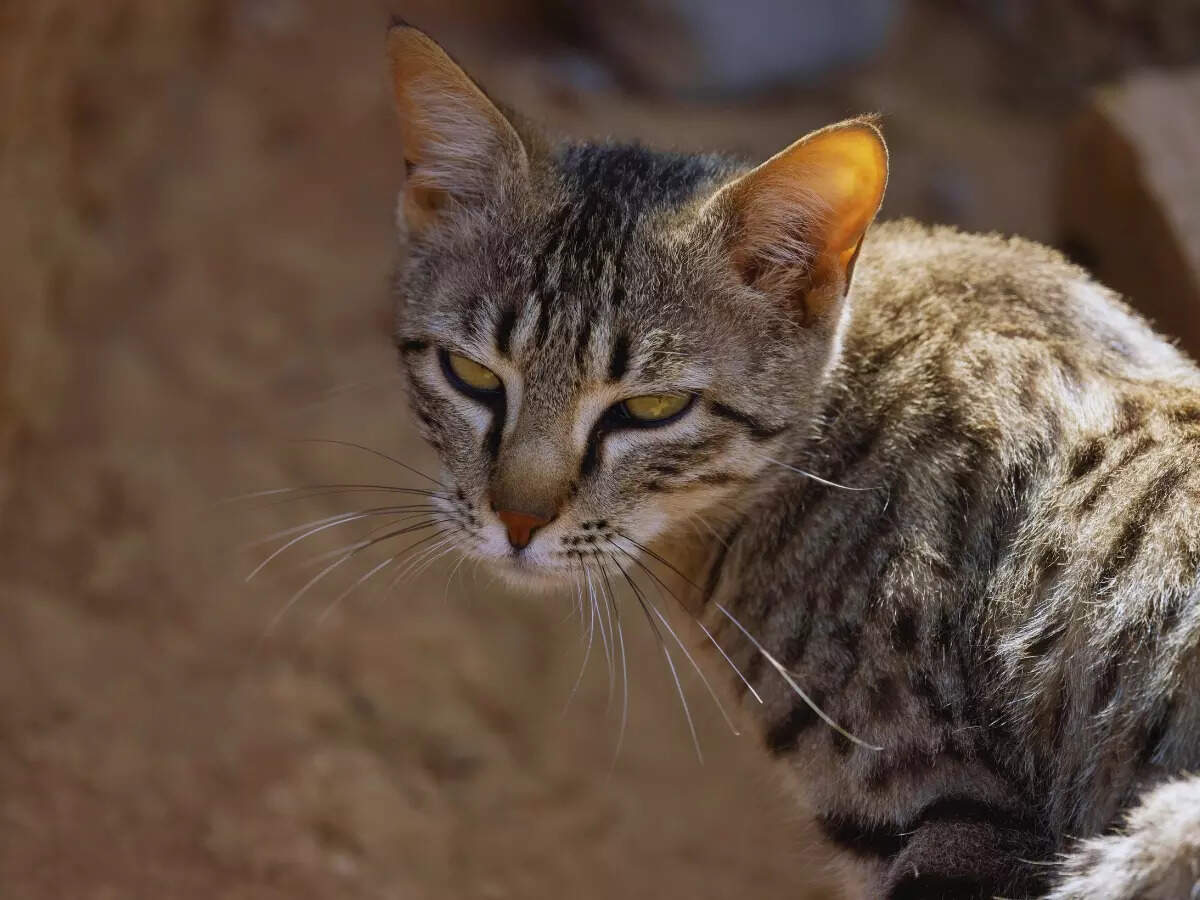
Often mistaken for a domestic cat, this small, sandy-colored feline is a desert-adapted subspecies of the wildcat. It survives in Rajasthan’s arid zones, preying on rodents and birds, with a coat that camouflages perfectly against the dunes.
7/10 - Demoiselle crane
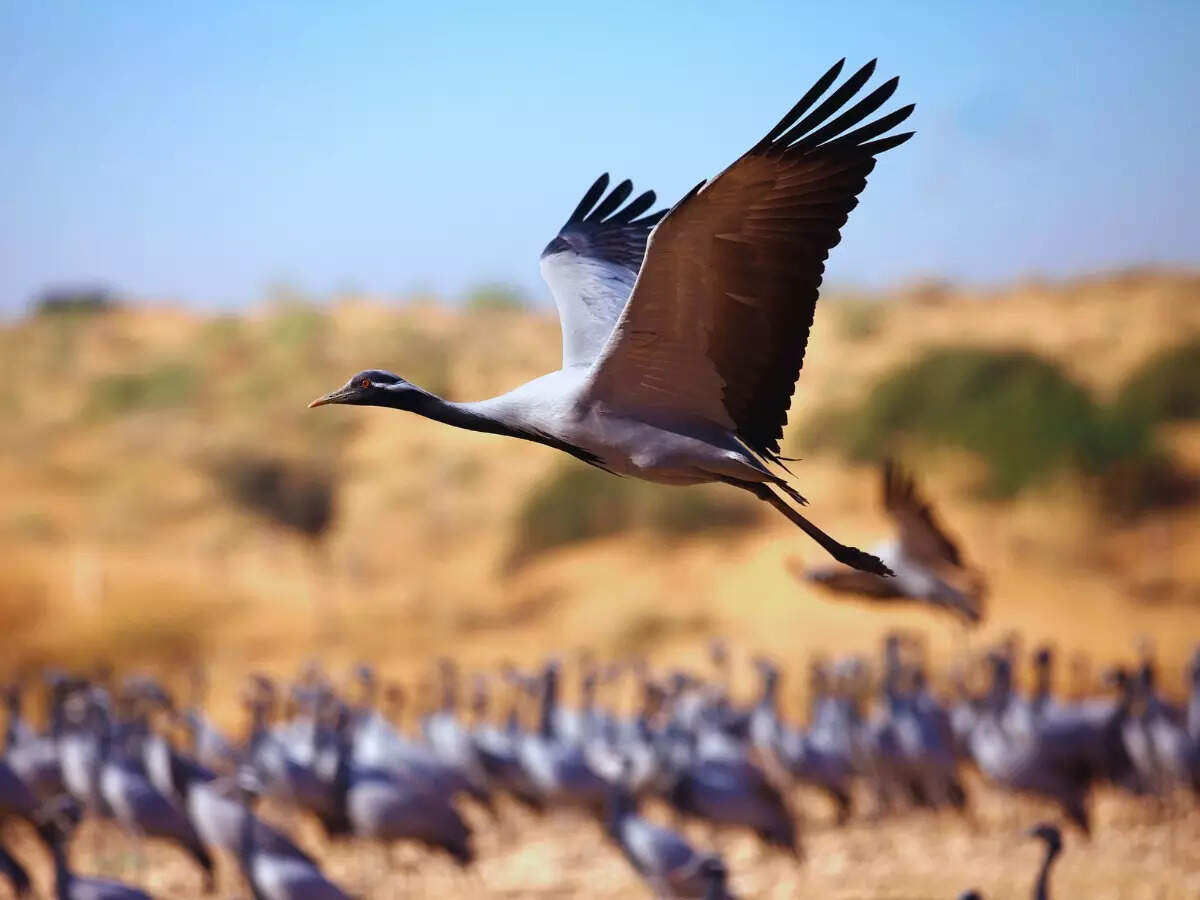
These elegant migratory birds travel from Central Asia to Rajasthan’s Khichan village every winter, drawn by the local tradition of feeding them grain. Their synchronized “dance” during courtship is a spectacle unique to this region.
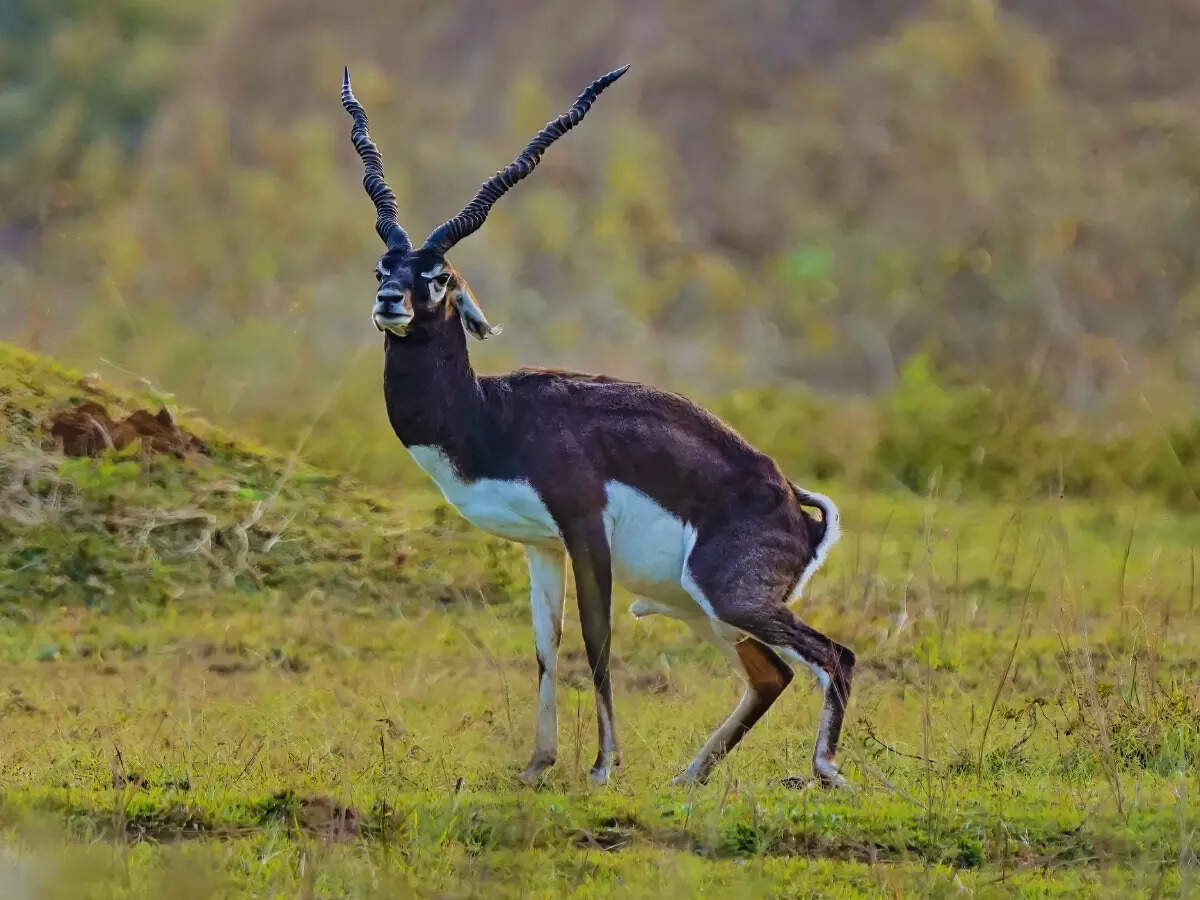
8/10 - Blackbuck
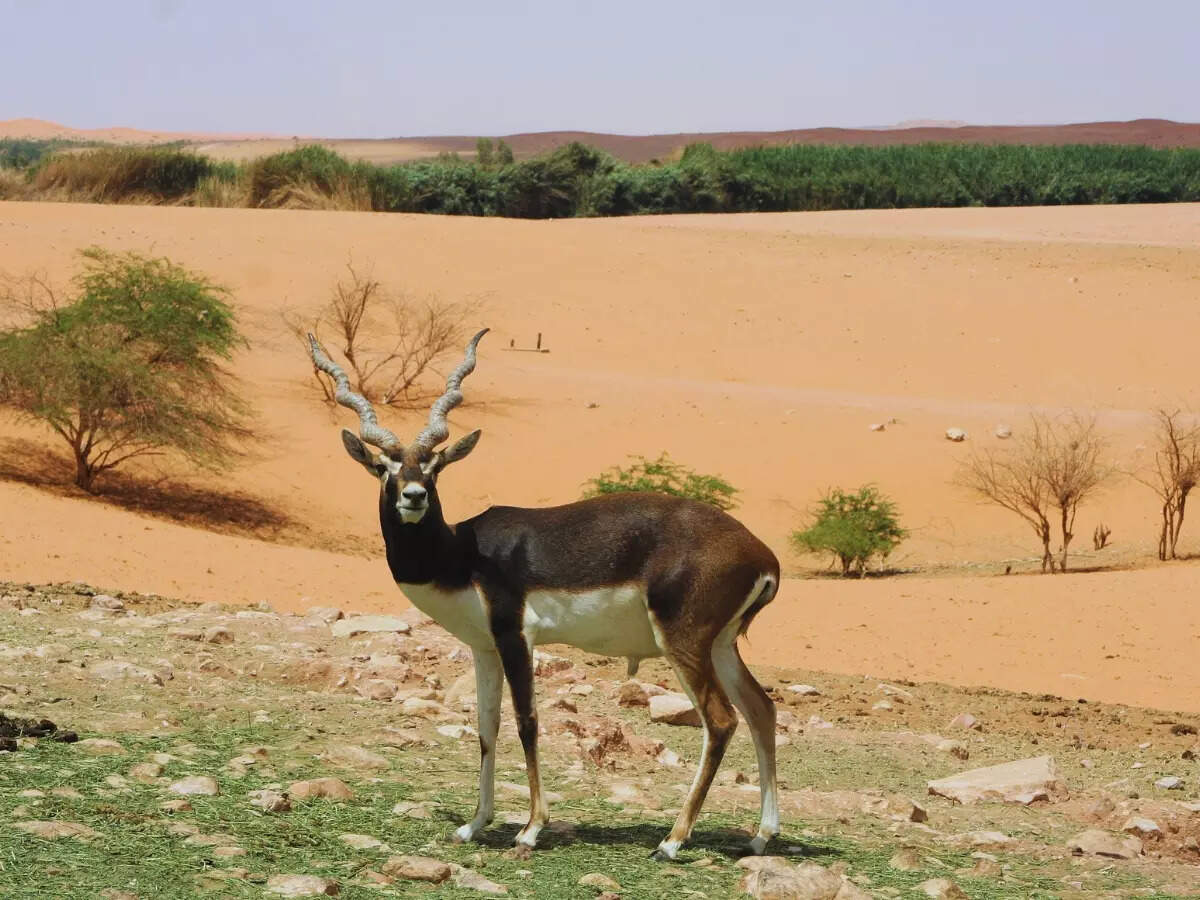
The blackbuck thrives in Rajasthan’s grasslands, like those in Tal Chhapar Sanctuary. Rajasthan hosts some of the largest blackbuck populations in India. Interestingly, the blackbuck is also the most sacred animal for the Bishnoi community in Rajasthan.
9/10 - Indian wolf
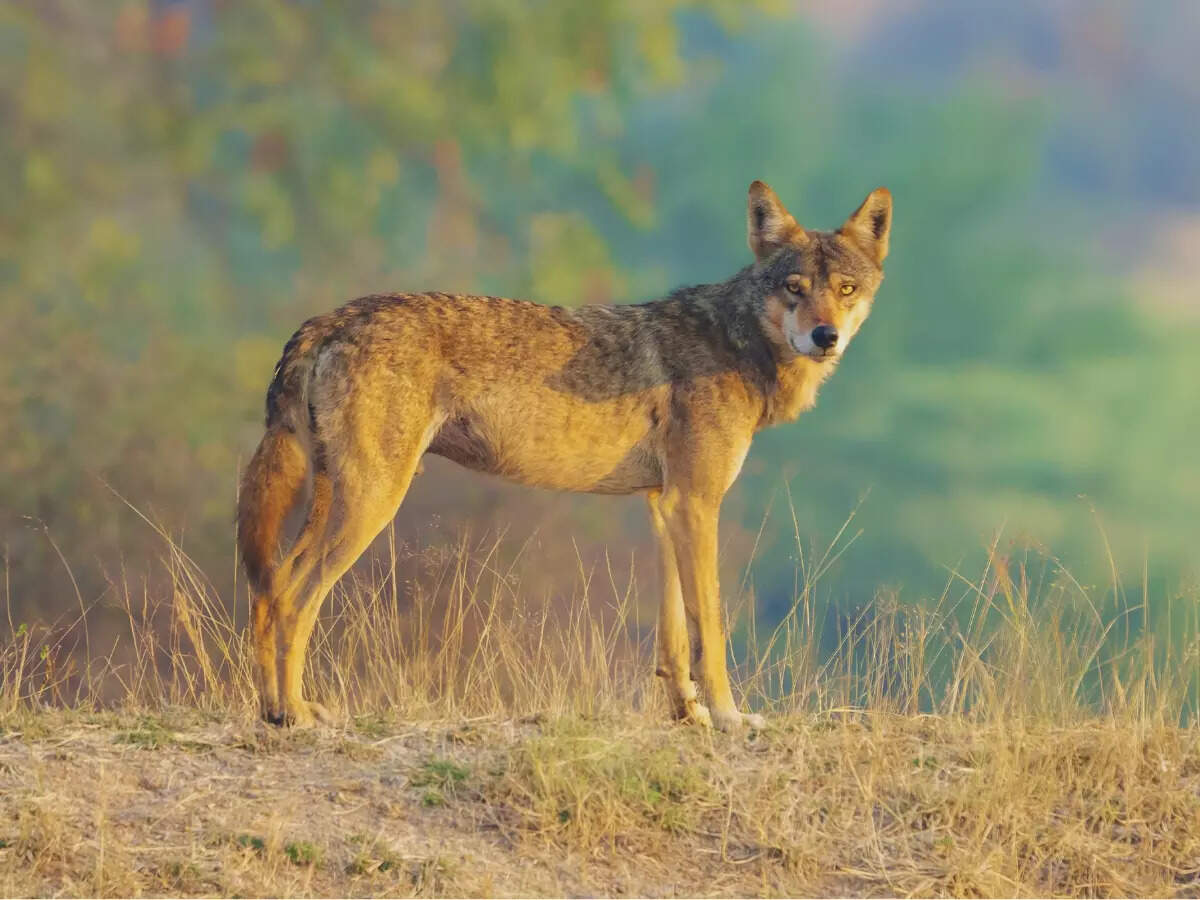
Smaller and leaner than its northern counterparts, the Indian wolf is adapted to Rajasthan’s semi-arid and desert regions, like Kumbhalgarh Wildlife Sanctuary. Unlike wolves in forested or mountainous regions, Rajasthan’s wolves roam freely in the open scrublands.
10/10 - Desert fox
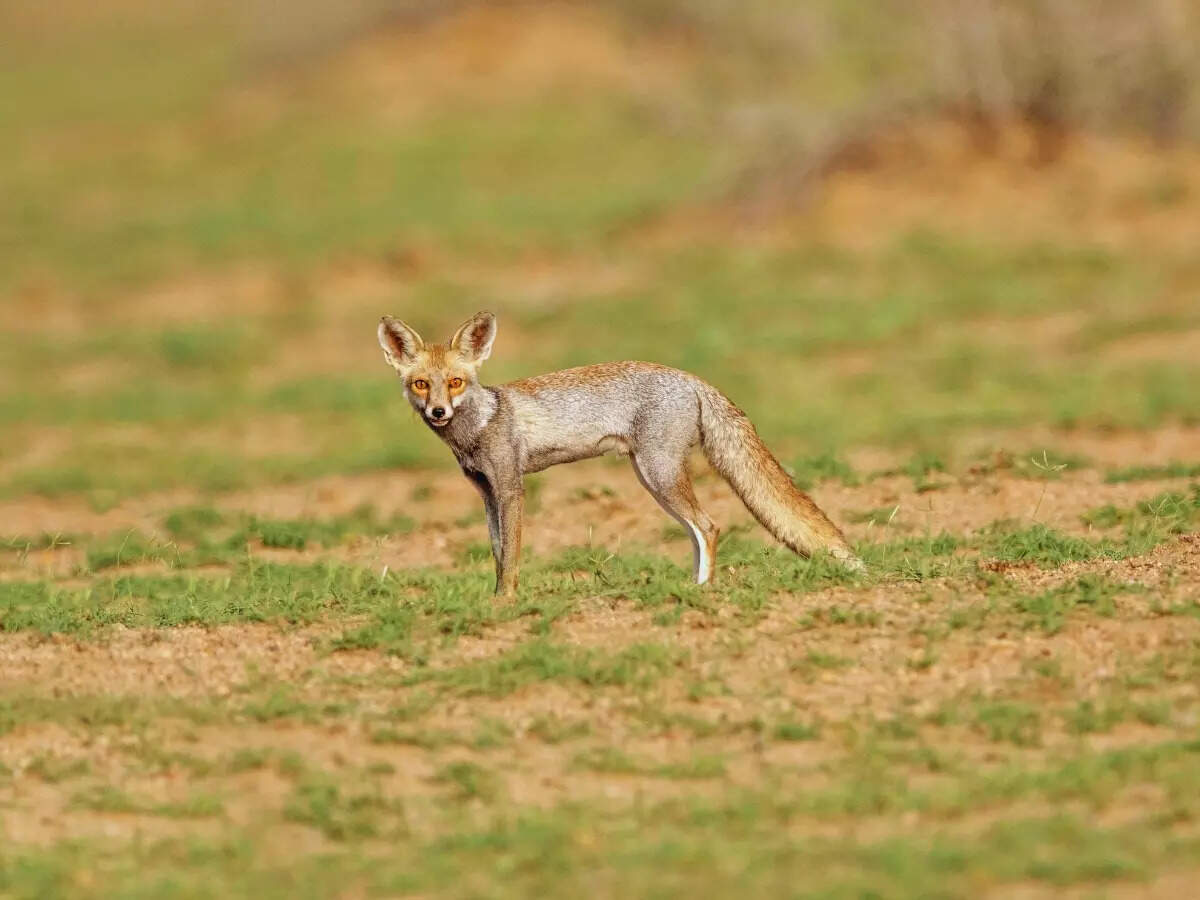
The desert fox is perfectly suited to Rajasthan’s Thar Desert, with its sandy fur and nocturnal habits. It’s a master of survival in extreme heat and scarcity. The desert fox epitomizes Rajasthan’s ability to sustain life in one of the harshest climates.