

If you’ve ever struggled to keep a journal, 2026 might just be the year you actually start — especially if you lean on ChatGPT to guide one.
The popular AI chatbot can do much more than search, shop and summarize. It can ask thoughtful questions, discover trends from your entries, track your mood and help you reflect in a way that actually sticks. With powerful memory features and voice support, it's like having a living journal in your pocket.
I've been journaling every day since I was in grade school, and recently switched to ChatGPT to help go deeper into my daily reflections and thoughts.
Here are 9 easy ways to start journaling with ChatGPT today and turn it into a habit that lasts all year.
1. Start your entry with a brain dump

You're going to want to start each "journal entry" with a new chat. And, to keep track of all your entries and stay organized, use the Projects feature. Then, just as you would with a blank journal page, start your entry with whatever you're reflecting on or thinking about.
This is a great time to use my "no prompt" prompt. Just start writing and then hit enter. From there, you can prompt:
- Help me reflect on today. What went well and what felt hard?
- What’s something I learned about myself this week?
- Ask me 3 questions to go deeper.
2. Use voice when typing feels like too much

Rather than feeling like a chore, journaling can be quite therapeutic, even if you're not up to writing. When typing is not realistic at the end of a long day, use your voice. ChatGPT now supports voice input across mobile and desktop, so you can talk while walking, reflect during your commute, or just ramble freely while lying in bed. It's one of the easiest ways to make journaling fit into your everyday life.
3. Ask ChatGPT to summarize your thoughts

One of the biggest wins of AI journaling? You don’t have to reread every word to gain insight. Just ask ChatGPT to summarize your thoughts with the prompt:
Can you summarize what I’m really feeling here?
You’ll get a short recap that helps you understand the why behind your words — something a traditional notebook can’t do.
4. Let ChatGPT track patterns in your entries

Thanks to its memory feature, ChatGPT can notice patterns in your mood or behavior over time. This turns your entries into meaningful progress — not just a brain dump.
Try these prompts:
- What themes have come up in my last few journal entries?
- Do you notice any changes in my tone or mood this week?
- What have I been struggling with most often?
5. Build a routine that fits your schedule

You really don’t need to journal every day. In fact, the key to long-term consistency is flexibility. ChatGPT Tasks can help keep you on track to remind you to journal, or you could try other formats that work for you.
Here are a few real-world formats that work:
- 5-minute voice check-in before bed
- One weekly “highlight + lowlight” recap
- Spontaneous vent sessions when something’s on your mind
6. Ask for deeper questions when you’re stuck

When you don’t know what to say, let the AI guide you. Asking the right questions often unlocks more than you expect — in less time than you’d spend overthinking.
Try:
- Can you help me explore this more?
- What would you ask if you were a coach or therapist?
- What emotion do you think is behind this?
7. Track your mood without downloading a new app

If you want to keep tabs on how you’re feeling week to week, you don’t need a separate mood tracker. Just include this line at the end of each entry:
Mood today: [sad / stressed / hopeful / energized]
Later, ask ChatGPT:
How has my mood changed over the past 10 entries?
You’ll spot trends you didn’t know existed, which you'd have to do manually with a traditional journal.
8. Save your best insights in one place
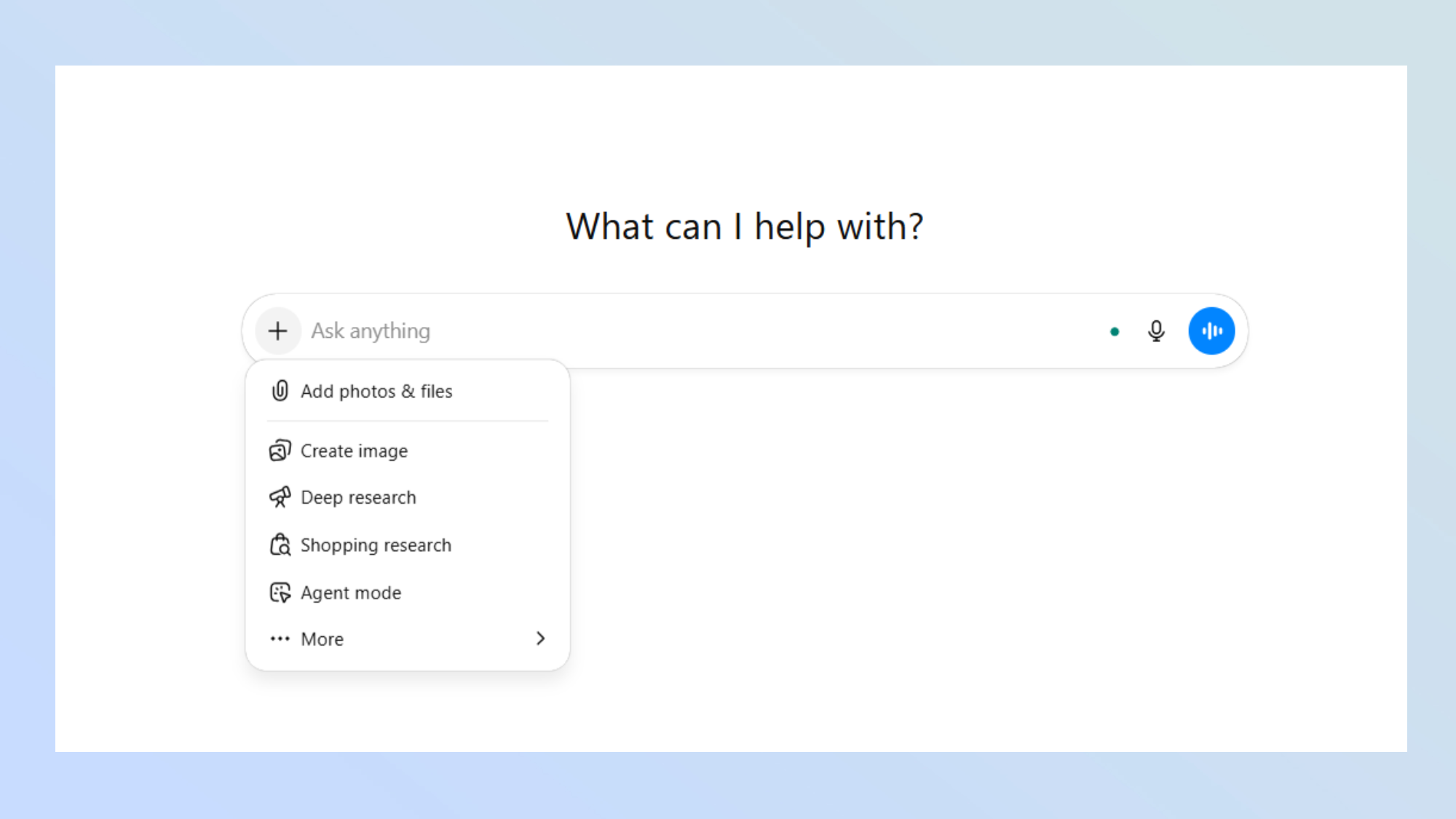
When something resonates, don’t let it get buried. Make sure to tell ChatGPT to "save this to my ‘Top Insights’ folder” or even “Remind me of this in a few weeks.”
You can later prompt:
“Show me all my favorite journal entries from this year.”
9. Let go of perfection

Missed a day? Rambled incoherently? Wrote one sentence? Great. You’re still journaling. There’s no streak to protect — only perspective to gain.
ChatGPT makes it easier to return when you’re ready, without guilt. That’s why you may actually find it's easier to stick to journaling with AI — even if you've failed before.
The takeaway
Journaling with ChatGPT in 2026 is fast, flexible and far more useful than writing in a classic notebook. It’s there when you need it. It remembers what matters. And best of all — it meets you exactly where you are.
And, if you're like me, you can journal with ChatGPT and traditionally by simply uploading your written entries into ChatGPT.
However you choose to journal with ChatGPT, these nine simple ways to start might just be the key to sticking with it in 2026.

Follow Tom's Guide on Google News and add us as a preferred source to get our up-to-date news, analysis, and reviews in your feeds.







.png?w=600)




