
Not all real estate is created equal—and some properties draw a very specific crowd for the wrong reasons. While “affordable housing” is essential, there’s a difference between smart financial downsizing and buying into a property that traps you in endless costs, crime, or poor resale value. Real estate experts say that certain homes consistently attract buyers or renters struggling to escape financial instability. Here are nine types of properties that tend to pull in low-income buyers—and why savvy investors and middle-class families often steer clear.
1. Mobile Homes in Private Parks
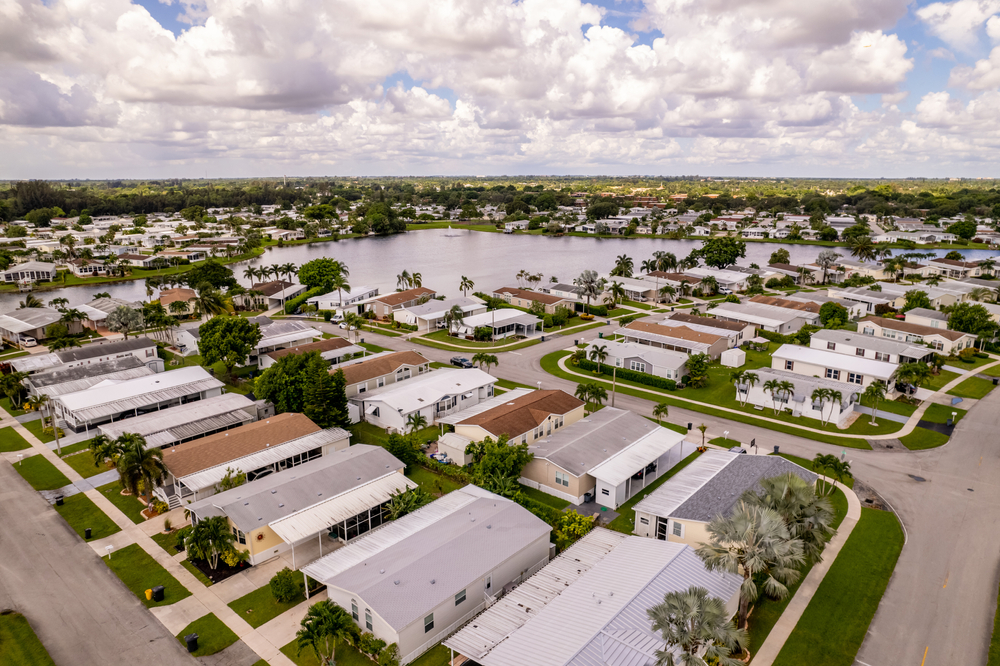
Manufactured homes might seem like a bargain, but when they sit in private parks, the long-term math rarely works. Owners of mobile homes often face rising lot rents without owning the land beneath them. These fees can increase annually, leaving residents paying nearly the same as traditional renters, with none of the equity. The park owner controls maintenance, rent, and resale rules. It’s a setup that often traps residents instead of building wealth.
2. Condos With Sky-High HOA Fees
Low sticker prices on condos can fool first-time buyers. Condo fees can rise faster than inflation, especially in aging buildings with poor reserve funds. Buyers with limited cash flow often overlook these costs at purchase, only to find themselves paying hundreds—or thousands—monthly in mandatory dues. These communities can quickly turn into financial burdens when the fees surpass the mortgage payment. In the end, affordability vanishes behind red tape and rising maintenance bills.
3. Foreclosures and Distressed Properties in Declining Areas
At first glance, foreclosed homes look like bargains—but most require major repairs and exist in neighborhoods with low appreciation potential. Properties in foreclosure-heavy zones can take decades to recover value. Buyers lured by “cheap” listings often underestimate the cost of restoration and ongoing upkeep. These homes can also carry liens or unpaid taxes that become the new owner’s problem. What seems like a shortcut to homeownership can become a long-term money pit.
4. Homes in Flood Zones or High-Risk Areas
Lower-income buyers are more likely to settle in floodplains, wildfire zones, or areas prone to natural disasters simply because prices are lower. However, the Federal Emergency Management Agency (FEMA) requires flood insurance in these regions, which can add thousands per year. These homes also lose resale value as insurers tighten requirements. The “discount” price quickly evaporates once risk-adjusted costs are factored in. For many, affordability today means financial distress after the next storm.
5. Apartment Complexes With Deferred Maintenance
Large apartment complexes that haven’t been updated in years often attract residents on strict budgets—but they also come with serious downsides. Poor lighting, plumbing issues, and neglected landscaping signal ownership that’s minimizing investment. Rent may be cheap, but health and safety risks increase dramatically. Over time, poor management drives down the entire community’s quality of life.
6. “Rent-to-Own” Homes With Predatory Terms
“Rent-to-own” homes sound empowering—until you read the fine print. The Consumer Financial Protection Bureau (CFPB) warns that many such contracts shift maintenance, tax, and insurance burdens onto tenants without granting true ownership rights. One missed payment can void the agreement, wiping out years of rent credits. These arrangements target cash-strapped buyers who can’t qualify for mortgages, locking them into high payments with little protection. It’s ownership in name only—and a financial trap in practice.
7. Tiny Homes on Unzoned Land
Tiny homes promise simplicity, but unzoned lots often mean no access to municipal water, sewer, or electrical services. While these structures attract minimalists, many owners underestimate the cost of compliance and hookups. Without proper permits, resale or financing becomes nearly impossible. People seeking affordable independence often end up with isolated, depreciating assets instead. Tiny living can be empowering—but only when done within legal boundaries.
8. Houses in Crime-Heavy or Industrial Zones
Properties near factories, highways, or high-crime districts tend to stay affordable for one reason: demand is low. The U.S. Census Bureau correlates low property values with environmental or social risk factors, including pollution and limited public investment. Buyers looking for cheap space might find larger homes, but they pay in safety and long-term equity. These zones often remain stagnant while neighboring communities grow wealthier. Once in, it’s difficult to sell or refinance without taking a loss.
9. Multi-Unit Homes With Problem Tenants
Duplexes or triplexes may look like great investment opportunities—but they can backfire fast when existing tenants stop paying rent. Eviction costs, property damage, and unpaid utilities can easily outstrip rental income. Small landlords in lower-income neighborhoods are disproportionately affected by tenant turnover and nonpayment. Without cash reserves or experience, new owners get trapped in cycles of repairs and losses. Cheap entry doesn’t equal smart ownership.
When “Cheap” Becomes Costly
Real estate bargains often hide their true costs in fees, maintenance, or risk. Properties that consistently attract low-income buyers usually do so because they’re expensive to maintain—or impossible to resell. The key to breaking the cycle is research: know local zoning, verify insurance costs, and review all fine print before signing. Affordable housing should build stability, not strip it away. Have you ever been tempted by a “too good to be true” property deal?
Have you ever bought or rented a property that seemed affordable but wasn’t? Share your experience and what you’d do differently next time in the comments below.
You May Also Like…
- 5 Housing Programs That Sound Helpful—Until You Read the Fine Print
- 10 Housing Trends That Are Making Cities Less Livable
- 6 Things That Disqualify You from Senior Housing Without Notice
- Why Privacy No Longer Exists in Public Housing
- Are Seniors Being Discriminated Against in the Housing Market Again?