
Image Source: Shutterstock.com
Kids do not need perfectly curated childhoods to thrive, but they do need predictability, connection, and a sense of belonging. In a world that feels loud, rushed, and often unpredictable, simple family routines can quietly anchor children emotionally. Research consistently shows that routines support emotional regulation, behavior, and resilience, especially during times of stress or change.
According to parenting experts, family routines for kids create a reliable framework that helps children understand what comes next and where they fit. The following traditional routines may seem old-fashioned, yet they continue to shape emotionally secure kids in powerful, lasting ways.
1. Regular Family Mealtimes
Sitting down together for meals gives kids a daily reminder that they matter and belong. These moments offer consistency while creating space for conversation, storytelling, and emotional check-ins.
Predictable routines like shared meals strengthen family relationships and emotional safety. Even short meals can reinforce stability when they happen regularly. For family routines for kids, mealtime connection remains one of the most effective and accessible habits.
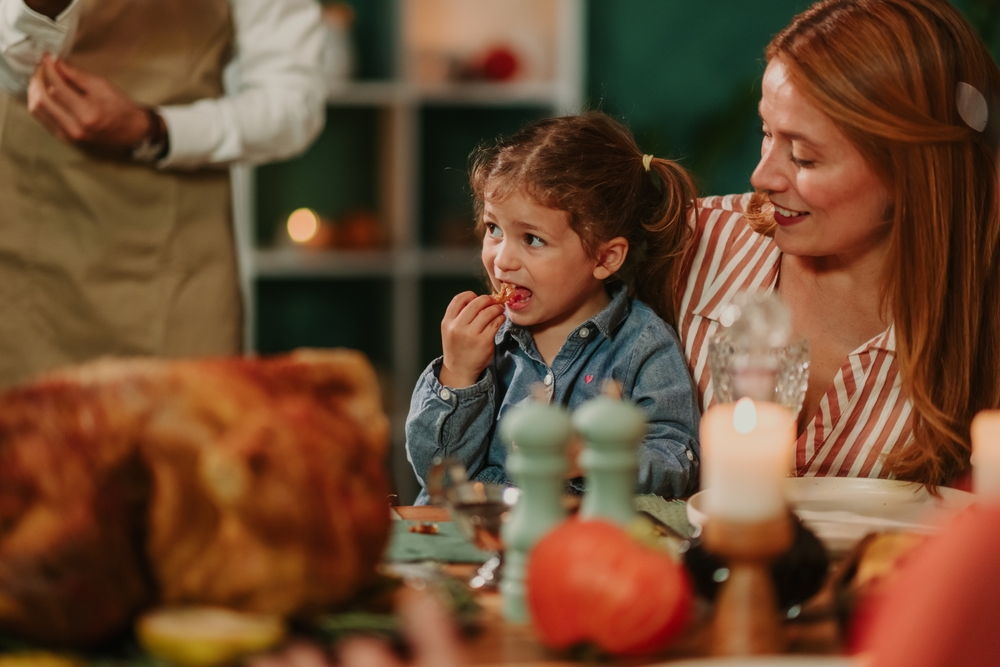
Image Source: Shutterstock.com
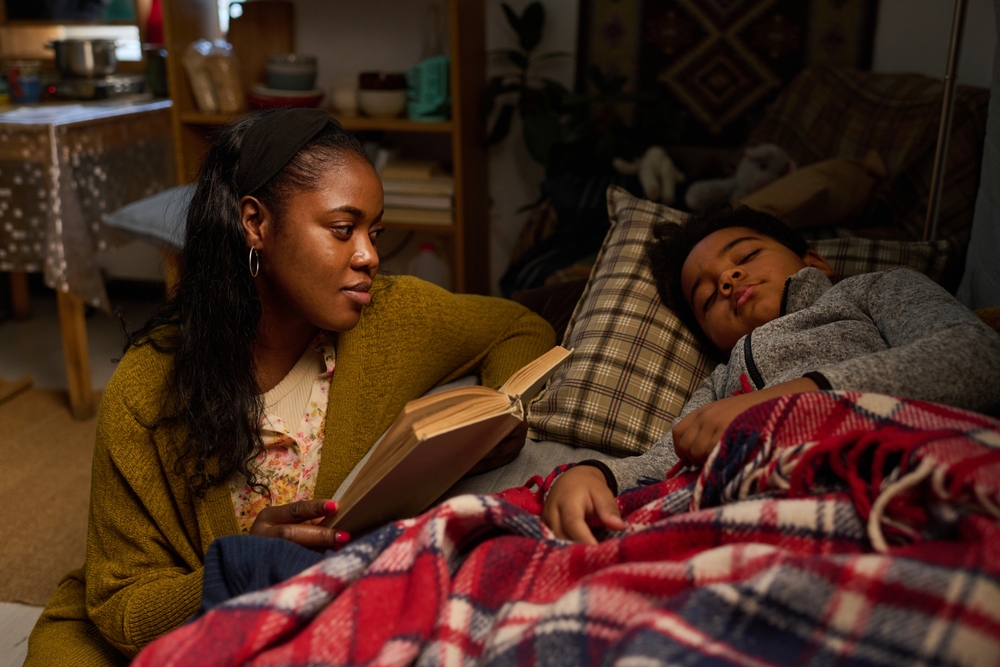
2. Consistent Bedtime Rituals
A predictable bedtime routine helps children transition from stimulation to rest with greater ease. Activities like reading, bathing, or quiet conversation signal safety and closure to the day.
Calming routines before sleep support emotional regulation and reduce anxiety. When bedtime follows a familiar pattern, kids fall asleep feeling secure rather than rushed or unsettled. This consistency reinforces trust in their environment and caregivers.
3. Morning Routines That Set The Tone
Mornings often feel hectic, but consistent rituals can change the emotional energy of the day. Simple habits like eating breakfast together or sharing a quick check-in help kids feel grounded before heading out. Predictable mornings reduce stress and help children mentally prepare for transitions.
Experts emphasize that routines provide emotional reassurance even when days feel challenging. Family routines for kids work best when they start and end the day with intention.
4. Weekly Family Traditions
Weekly traditions give children something reliable to look forward to amid busy schedules. Movie nights, game nights, or weekend walks become emotional touchpoints over time. These rituals build shared identity and strengthen family bonds.
Repeated shared experiences reinforce emotional stability. Kids often remember these small traditions long after childhood ends.
5. Shared Chores And Responsibilities
Involving kids in household tasks builds competence and belonging. When chores follow predictable routines, children understand expectations and feel trusted. Research shows that contributing to family life supports self-esteem and responsibility. These routines also teach teamwork rather than punishment-based compliance. Family routines for kids should include opportunities to participate meaningfully.
6. Rituals For Transitions And Goodbyes
Transitions can feel unsettling for children, especially younger ones. Simple goodbye rituals, such as hugs or special phrases, provide emotional reassurance. Predictable rituals help kids manage separation and change. These moments reduce anxiety and increase emotional confidence. Over time, children internalize these routines as emotional safety cues.
7. Celebrating Milestones Together
Acknowledging birthdays, achievements, and seasonal events reinforces a sense of continuity. These celebrations help kids understand time, growth, and belonging within the family unit. Rituals around milestones show children that their experiences matter.
According to experts, shared celebrations strengthen emotional memory and connection. Family routines for kids thrive when life events feel meaningful and shared.
8. Daily Emotional Check-Ins
Regular emotional check-ins normalize talking about feelings without pressure. Asking simple questions about highs and lows builds emotional literacy over time. Routines supporting emotional expression increase resilience. When check-ins happen consistently, kids feel heard rather than interrogated. Emotional safety grows when children know someone will listen.
9. Predictable Family Time Without Distractions
Unstructured time together creates space for genuine connection. Turning off devices during designated family time signals presence and attention. Consistency matters more than duration when building trust. Research shows children feel more secure when caregivers are emotionally available. Family routines for kids flourish when attention feels intentional.
Why Simple Routines Create Lifelong Emotional Safety
Children do not need constant novelty to feel fulfilled; they need reliability and connection. Traditional routines offer emotional anchors that help kids navigate uncertainty. These habits quietly teach trust, regulation, and belonging. Over time, family routines for kids shape how children experience relationships beyond the home. Small, repeated moments often create the strongest sense of security.
What family routines have made the biggest difference in your household, and which ones would you like to strengthen next?
You May Also Like…
7 Boomer-Era Family Traditions That Lower Household Stress
How to Build a Family Emergency Fun Jar for Unexpected Winter Activities
Are Parents Ignoring Early Signs of Anxiety in Elementary Kids?
How to Create a Family Savings Jar with Kids That Feels Like a Game
After-School Routines That Help Your Kids Wind Down And Save You Stress
The post 9 Traditional Family Routines That Help Kids Feel Secure appeared first on Kids Ain't Cheap.