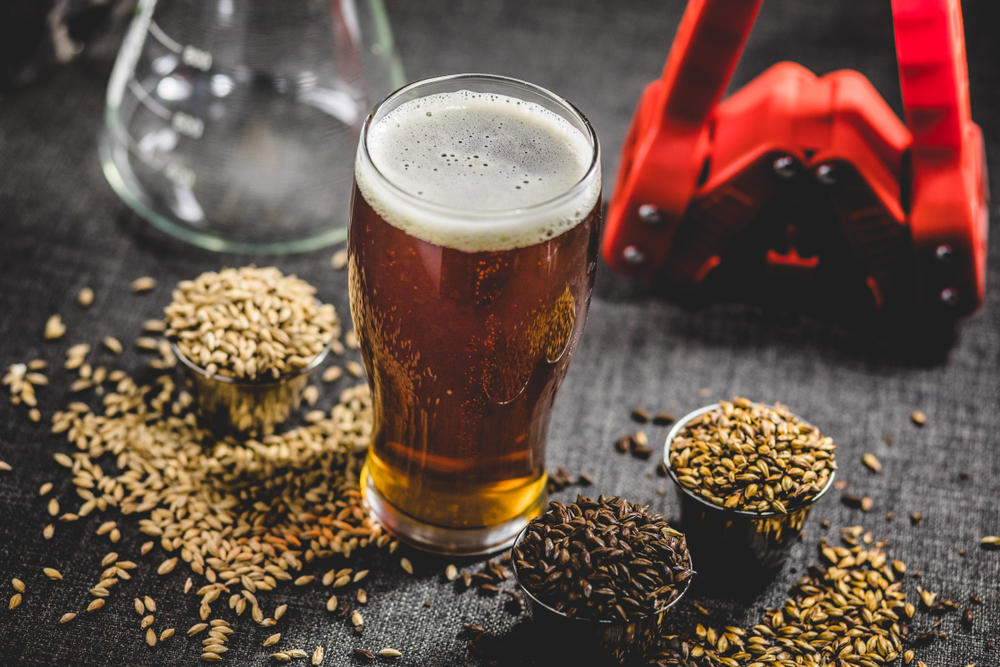
Homebrewing doesn’t require a warehouse full of gear, but it does demand the right tools. A few well-chosen pieces of equipment make the difference between guesswork and control, between spoiled batches and beer worth sharing. The essentials cover heating, fermenting, measuring, and bottling—each one solving a specific problem that shows up in every brew. Start with these nine items, and you’ll have a system that works from the first boil to the final pour.
1. Brewing Kettle
Making beer at home turns an ordinary kitchen into a small production space, and nothing anchors that setup like a reliable brewing kettle. The right kettle handles high heat and steady boils without scorching ingredients. Stainless steel works best because it resists corrosion and holds temperature. A large kettle also gives room for vigorous boils, which reduces the risk of messy foam-overs that stain stovetops and waste ingredients. Anyone assembling homebrewing equipment starts here because the kettle sets the pace for every batch.
2. Fermentation Vessel
Beer changes during fermentation, and the vessel you choose controls that transformation. Most homebrewers use food-grade plastic buckets or glass carboys. Buckets make cleaning easier. Carboys show the fermentation activity, which helps gauge timing. Either option works if it seals tightly and keeps outside air away from the developing beer. Reliable fermentation vessels matter because they shield the wort during its most vulnerable stage.
3. Airlock and Stopper
Fermentation creates pressure, and an airlock releases that pressure without letting contaminants in. It looks simple, but it does essential work. The stopper fits the fermenter’s opening so the airlock stays secure during active bubbling. This component often gets overlooked when people build their first collection of homebrewing equipment, yet it protects an entire batch from airborne microbes. A good airlock offers a small measure of insurance for long fermentation periods.
4. Sanitizer
Beer spoils easily. That fact alone makes sanitizer one of the most important items on the list. Anything that touches the beer after boiling must be sanitized—fermenters, spoons, tubing, bottles, and anything used to transfer liquids. No-rinse sanitizers save time and reduce the chance of contamination from tap water. Even experienced brewers treat sanitizer as nonnegotiable because clean tools produce consistent results.
5. Siphon or Auto-Siphon
Transferring beer from one container to another looks simple. It isn’t. A siphon moves the beer without disturbing the sediment at the bottom of the fermenter. An auto-siphon makes the process faster with a single pump action that pulls liquid upward and keeps it flowing. This step matters because excess sediment affects flavor and clarity. When building out homebrewing equipment, a siphon sits near the top of the list for convenience and control.
6. Hydrometer
A hydrometer measures the beer’s gravity before and after fermentation. These readings tell you how much sugar remained, how much alcohol formed, and whether fermentation progressed the way it should. Many beginners skip this step and brew blind. That approach creates guesswork and inconsistency. A hydrometer turns brewing into a measurable, repeatable process. It adds data to a craft often guided by intuition.
7. Wort Chiller
Cooling the wort quickly helps prevent off-flavors and reduces exposure to bacteria. A wort chiller, usually a copper or stainless coil, drops into the hot kettle and runs cold water through its tubing. The temperature falls in minutes instead of hours. Fast cooling also helps proteins settle, which improves clarity. Brewers working without chillers often struggle with long cooling times that slow everything down. When rounding out homebrewing equipment, this tool saves time and improves reliability.
8. Bottles and Caps
Once beer finishes fermenting, it needs a place to rest and carbonate. Glass bottles remain the most dependable choice. They handle pressure well and can be reused for years if cleaned thoroughly. Caps lock in carbonation and keep oxygen out. With a capper, bottling becomes a steady routine instead of a chore. Many new brewers underestimate how many bottles they’ll need, so keeping extras around avoids last-minute scrambles.
9. Brewing Ingredients Kit
Ingredient kits simplify the process. They bundle malt extract or grain, hops, yeast, and priming sugar into one package. Kits reduce errors, especially for people learning the basics. They also shorten prep time and keep ingredient quality consistent. Using these kits helps you get familiar with recipes before experimenting with your own combinations. Many options appear on Amazon, which makes it easier to keep homebrewing equipment restocked whenever supplies run low.
Building a System That Works
A strong brewing setup grows over time. Start with essentials, learn what works, and add pieces that improve consistency. Reliable homebrewing equipment keeps frustration low and finished beers drinkable. Each tool on this list plays a direct role in protecting flavor, improving control, or cutting down on mistakes. The more deliberate your setup becomes, the more repeatable each batch feels.
What tools have made the biggest difference in your brewing process?
What to Read Next…
- 10 Best Starter Projects For New Diy Enthusiast
- 6 Diy Projects That Insurance Companies Secretly Hate
- 9 Diy Projects That Are Surprisingly Illegal In Some States
- 10 Diy Improvements That Make Home Inspections A Nightmare
- 6 Diy Fixes That Ended In Disaster And Why You Shouldn’t Try Them
This post includes affiliate links. If you purchase anything through these affiliated links, the author/website may earn a commission.
The post 9 Things You Need to Make Your Own Beer appeared first on Clever Dude Personal Finance & Money.