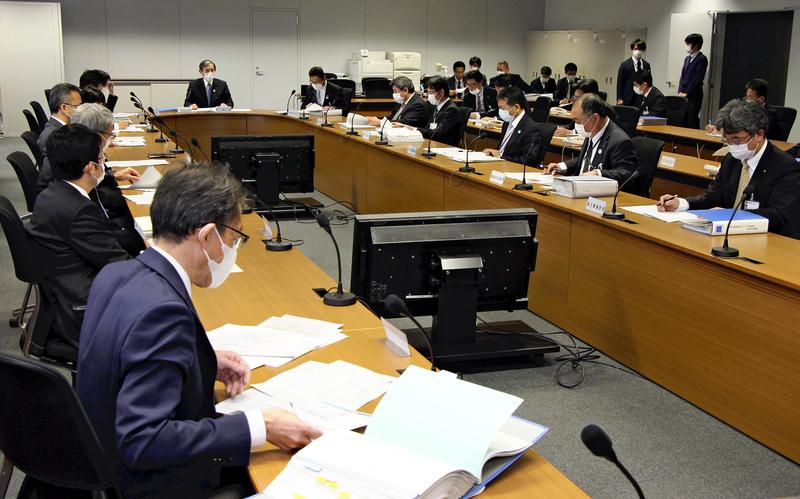
Nine prefectural governments have not compiled minutes recording the speakers and content of discussions held at prefectural new coronavirus countermeasures task forces, The Yomiuri Shimbun has found, a revelation that raises doubts over the ability to check policy decisions made in response to the outbreak.
Task forces were set up in all 47 prefectures due to the spread of the virus in Japan. Of the 40 prefectures that also held meetings attended by infectious disease experts and other specialists, nine did not compile a record of the proceedings.
In March, the central government designated the virus outbreak as an "historic" emergency situation in administrative document management guidelines based on the Public Records and Archives Management Law. This made compiling minutes of meetings related to policy decisions compulsory. This law also requires local governments to take necessary actions to ensure the proper management of such documents.
A Yomiuri Shimbun investigation deemed minutes to be any written document recording who spoke at the meetings and what was said. According to a Yomiuri survey, 35 prefectural governments specified the names of task force speakers and compiled minutes that recorded an outline showing every comment and the discussion process. Three prefectures are compiling such records or plan to do so, and nine prefectures have not made such minutes.
Twenty-nine of the 40 prefectures that held meetings with experts compiled records of their content, two prefectures are still making them, and nine did not compile minutes. The government's expert panel is not obligated to compile minutes so it had not done so. However, after the necessity of such records was pointed out, the government will prepare a summary of proceedings and the names of speakers to ensure transparency.
Gunma Prefecture kept records of its task force meetings and meetings with experts. "Compiling records is the obvious thing to do," a Gunma prefectural government official said. "They'll be needed if we have to check how previous cases were handled."
However, a representative of the Yamanashi prefectural government, which did not compile records for either set of meetings, said, "The task force was for smoothly exchanging information and coordination, and the expert meetings were occasions for listening to opinions. They weren't places where policies were decided."
A Shizuoka prefectural government official said the prefecture had not drawn up minutes because that would have taken "a lot of work."
-- Rules need clarifying before second wave strikes
However, simply looking at the final decision does not indicate who said what during the discussion process and whether any objections arose.
A Yomiuri Shimbun investigation showed local governments also differed in their methods for disclosing these records -- some made them available on their website, others required an information disclosure request -- and the period for which they would keep them. Saitama Prefecture said it would keep these records "permanently," Hyogo Prefecture for "30 years," and Gifu and Hiroshima prefectures "five years."
The Public Records and Archives Management Law, which came into force in 2011, says public documents are "an intellectual resource to be shared by the people in supporting the basis of sound democracy" and which are required to ensure "accountability…to the public for their various activities in both the present and future."
The government compiles documents detailing relevant meetings, and also decided to keep summaries of the minutes from expert meetings. At a time when fears of a second wave of coronavirus are mounting, each local government must reaffirm the significance of minutes conveying the lessons of this situation to future generations. These authorities also must clarify the rules for compiling these records -- and disclose them to their residents.
Read more from The Japan News at https://japannews.yomiuri.co.jp/