
Winter gardens can feel like a quiet, gray world, but the truth is, a little patience can transform them into something spectacular. Leaving certain perennials standing through the cold months isn’t just about laziness—it’s about creating natural beauty, supporting wildlife, and giving your garden structure when everything else has gone dormant. These hardy survivors provide texture, color, and even nourishment for birds and beneficial insects.
While the frost nips and snow blankets your flowerbeds, these perennials keep your garden alive in a subtle, fascinating way. Winter landscapes don’t have to be barren; with the right choices, they can be quietly captivating. Let’s dive into nine perennials that deserve a spot in your garden long after the first frost bites.
1. Echinacea (Coneflower)
Echinacea, often known as coneflower, is a garden superstar that wears its winter wardrobe with pride. When summer blooms fade, the seed heads become natural bird feeders, attracting finches and sparrows to your yard.
Their tall, sturdy stems also create architectural interest when dusted with frost, giving the garden a sculptural quality even in white winter light. Coneflowers’ dried petals and seed heads break up the monotony of bare soil, adding texture and visual intrigue.
Gardeners who leave echinacea standing often find that cutting them too early robs birds of a valuable food source. Plus, snow and frost sitting on these stems create sparkling, almost magical garden moments. By spring, the plant will bounce back vigorously, ready to bloom again.
2. Rudbeckia (Black-Eyed Susan)
Black-eyed Susans are not just a summer delight—they are winter wonders too. When left upright, their sturdy stems hold up brilliantly under snow, providing a striking contrast against icy backdrops. The seed heads continue to feed wildlife, particularly birds who appreciate the high-energy snack during lean months.
These bright, cheerful flowers create a cheerful winter skeleton that keeps the garden from looking completely bare. The dark centers of the dried flowers against golden-brown petals are visually captivating and almost artistic.
Even after frost, their structure and form make them excellent for winter photography or simply enjoying from your window. Trimming too soon can deprive both garden aesthetics and hungry wildlife.
3. Sedum (Stonecrop)
Sedums are rock stars when it comes to winter endurance. Their thick, fleshy leaves and seed heads hold up incredibly well to frost, often taking on a beautiful, muted color palette as the temperature drops.
Birds and insects benefit from the seeds, while the tall, textured clusters of sedum add a modern, almost architectural quality to garden beds. Ice crystals on the robust stems create tiny natural sculptures, making even the grayest days more interesting.
Sedum’s long-lasting seed heads are perfect for leaving through winter and cutting back in early spring. This perennial is low-maintenance yet provides a constant visual reward, proving that winter doesn’t have to mean barren beds. Gardeners love sedum for its resilience and adaptability to harsh conditions.
4. Asters
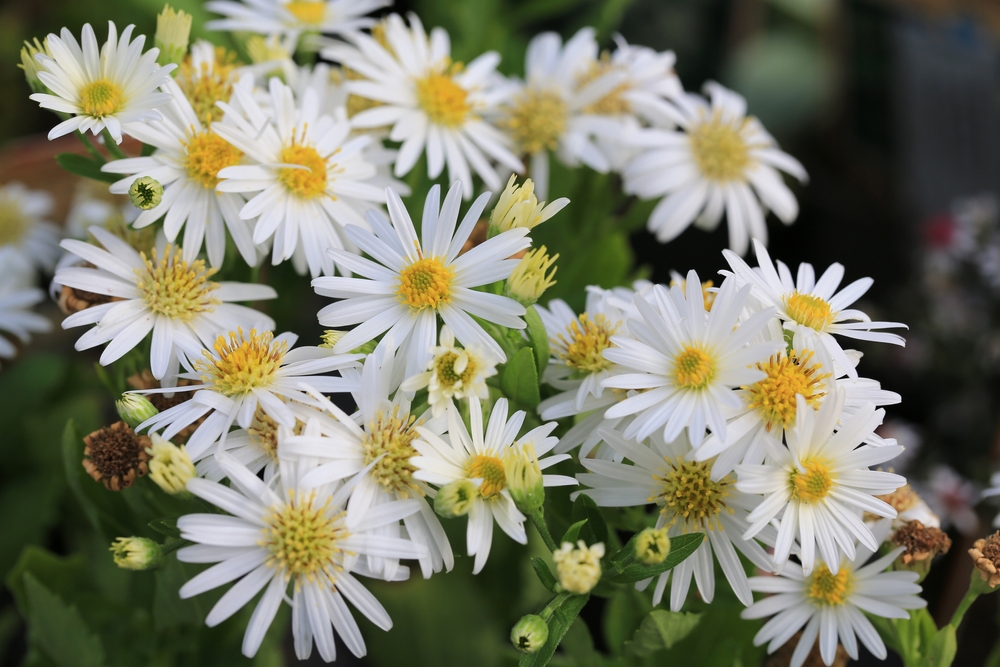
Asters bring unexpected life to fall and winter gardens. Their colorful blooms often persist into late autumn, but when left standing, the dried stems offer essential habitat and food for pollinators and birds.
Even in frost, asters provide vertical interest and create a layered, textured garden look that’s anything but flat. Their fine stems and delicate seed heads sway gracefully in winter winds, adding movement to otherwise static landscapes.
Cutting asters prematurely can rob your garden of this quiet, dynamic beauty. Many gardeners report that asters returning in spring appear stronger and more vigorous when left intact over winter. These plants are living proof that patience pays off in garden design.
5. Ornamental Grasses
Ornamental grasses are a must-leave perennial for winter appeal. Their swaying plumes and upright stalks provide motion and drama against a snowy backdrop. Birds often use the seed heads for food, while the stalks give small creatures shelter from wind and snow.
Grasses like Miscanthus or Panicum form striking silhouettes that create depth and dimension in the garden long after flowers have faded. They catch frost beautifully, sparkling in the low winter sun and creating a natural winter spectacle.
Cutting them too early removes both aesthetic value and habitat, so leaving them until spring is a win-win. These grasses are resilient, low-maintenance, and visually stunning year-round.
6. Sedum Autumn Joy
This particular sedum deserves special mention because of its exceptional winter presence. As temperatures drop, the green leaves and pinkish-red flower heads transition into muted, jewel-toned shades that are breathtaking against snow or frost.
Birds are drawn to the seeds, and the plant’s thick, sturdy structure holds up even under heavy snow. Its unique, rounded flower heads create sculptural shapes that remain interesting when other perennials have collapsed.
Autumn Joy sedum is also highly drought-tolerant, so leaving it standing won’t stress the plant during winter. When spring returns, it’s ready to explode with vibrant new growth, rewarding your patience with spectacular blooms.
7. Hellebores
Hellebores are the quiet champions of winter gardens. Often blooming in late winter or early spring, leaving their foliage standing provides essential protection and structure during harsh months. The tough leaves shield delicate roots and emerging buds, while their muted green forms maintain visual interest.
Hellebores are also perfect for underplanting in shaded areas, where they can protect soil from erosion and help retain moisture. Gardeners who leave hellebores through winter notice a more seamless, natural transition into spring growth. These perennials are subtle, elegant, and endlessly practical.
8. Russian Sage (Perovskia)
Russian sage is a dramatic winter performer with silvery stems and delicate lavender seed heads that look like frost-tipped fireworks. Leaving the plant standing adds airy structure to the garden while offering seeds for birds. Its tall, open form allows snow to settle beautifully, creating soft contrasts in texture.
Cutting it back prematurely removes one of the last sources of vertical interest in the winter landscape. Russian sage also dries beautifully, and many gardeners use the stems in indoor arrangements during winter. Its resilience to cold and minimal maintenance needs make it an essential perennial for patient gardeners.
9. Lavender
Lavender isn’t just fragrant in summer; it can provide winter appeal when left standing. The woody stems hold up well in frost, and the gray-green foliage creates a soothing winter palette. Birds and small pollinators benefit from lingering flowers, while gardeners enjoy the plant’s structural form as a natural border or low hedge.
Pruning too early can damage the plant, so leaving it until spring ensures a healthier, more vibrant bloom season. Its timeless scent may be muted in winter, but the presence of lavender in the garden provides continuity and a sense of calm even in the coldest months.
Pointers About Pernnials
Winter gardens don’t have to be dull or lifeless. By leaving these nine perennials standing until spring, you’re creating a visually rich, wildlife-friendly landscape that evolves naturally through the seasons.
These plants offer texture, color, and purpose long after their flowering days are over. Whether it’s feeding birds, protecting roots, or simply creating sculptural beauty, letting perennials remain standing is a rewarding practice.
We’d love to hear about your winter garden experiences—have you noticed new wildlife, discovered unexpected beauty, or simply enjoyed the textured landscape? Drop your thoughts and stories in the comments section below.
You May Also Like…
7 Perennials That Multiply Without Extra Care
6 Perennials That Thrive When Planted Early on a Budget
14 Blooming Perennials That Return Stronger Every January
8 Signs Your Soil Needs More Drainage Before Spring Rains
The $3 Soil Test That Could Save Your Spring Garden—And It’s Not Sold at Big Box Stores
The post 9 Perennials You Should Leave Standing Until Spring and Why appeared first on Frugal Gardening.