

Some sounds from your car aren’t just annoying—they’re screaming at you to pull over before things get serious. The problem is, when a car starts talking in squeaks, clunks, or hisses, most drivers ignore it, thinking it’s “probably fine.” Spoiler alert: it’s not. Those little warning noises can quickly turn into a major mechanical disaster, or worse, a dangerous situation on the road. Recognizing these sounds early can save you from being stranded, breaking the bank, or dealing with a full-on roadside emergency.
From sudden grinding to unexpected hissing, your car’s auditory SOS is one thing you don’t want to overlook. Let’s break down the nine noises that are basically your vehicle screaming, “Stop driving right now!”
1. Grinding When You Apply The Brakes
A grinding sound when you hit the brakes isn’t just a minor annoyance—it’s a major red flag. This noise often means your brake pads have worn down completely, allowing metal to scrape against metal. Driving with this condition can ruin your rotors, push repair costs through the roof, and compromise your ability to stop quickly in an emergency.
Grinding brakes can also indicate issues with brake calipers or even the brake lines, which are essential for your safety. If your car starts grinding, pulling over immediately can prevent catastrophic failure. Ignoring it is like asking for a squealing symphony of repair bills and roadside stress.
2. Loud Clunking Over Every Bump
That heavy, erratic clunk every time you hit a pothole isn’t just “part of driving on rough roads.” It usually signals a problem with your suspension, struts, or ball joints. These components control how your car handles and how much force your wheels can absorb. Continued driving while this noise persists can lead to complete suspension failure, leaving your wheels misaligned or worse.
A clunk can also indicate broken mounts or worn-out bushings, which affects steering precision. Pull over, inspect, and call a professional because your car is essentially announcing that it can’t take another bump without consequences.
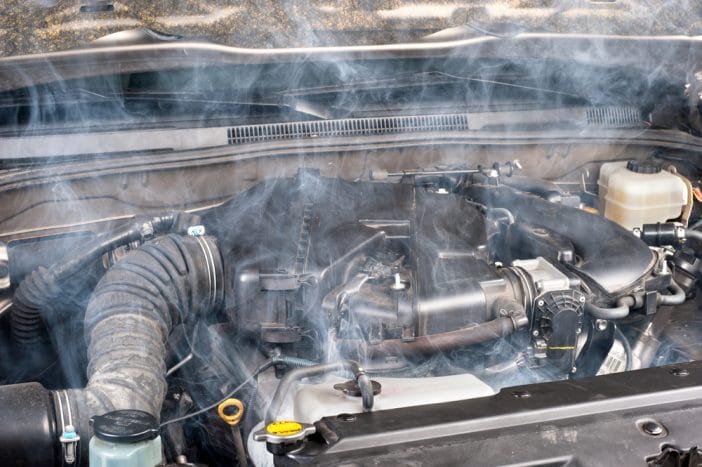
3. Hissing Or Steam From The Engine
If your engine starts hissing, sizzling, or releasing steam, it’s often a sign of overheating or a coolant leak. Continuing to drive in this condition can warp engine components or blow a gasket, resulting in repairs that cost thousands. Hissing can also come from a ruptured hose or a radiator issue, which are both urgent problems. You might see steam rising from under the hood—don’t ignore it. Engine noises like this are basically screaming that internal temperatures are reaching dangerous levels. Stop immediately, let the engine cool, and have a professional diagnose the source before it escalates.
4. Screeching Or Whining From Belts
A high-pitched squeal from under the hood isn’t your imagination; it’s usually a worn or loose belt. Serpentine belts drive critical components like your alternator, water pump, and power steering. If one fails, your car can lose battery power, overheat, or suddenly become difficult to steer. Sometimes, a squealing sound appears when you first start the car or accelerate—it’s an urgent hint to check your belts.
Ignoring the noise can turn a minor fix into a towing nightmare. Regular inspection and timely replacement keep these belts from turning into catastrophic failures while you’re on the road.
5. Knocking Or Pinging From The Engine
A rhythmic knocking, tapping, or pinging from your engine is not background music—it’s a warning. Engine knocking usually indicates uneven combustion, which can be caused by low-quality fuel, carbon buildup, or worn bearings. Driving while your engine knocks can cause major internal damage, including pistons or rods failing. Modern cars might detect this and trigger warning lights, but don’t rely on sensors alone. If you hear it consistently, stop driving and have it checked immediately. Ignoring it risks turning what might be a simple repair into a full engine rebuild.
6. Thumping Or Vibration From Tires
A sudden thump, buzz, or vibration from your wheels is more than just an uncomfortable ride. It can signal a flat, a bulge, uneven wear, or a loose wheel nut. Driving on compromised tires is extremely risky—it can lead to blowouts, loss of control, and accidents. Vibrations can also indicate alignment issues, which affect steering and braking performance. Don’t assume it will just “even out” after a mile or two. Stop, inspect the tires, and address the problem before it escalates to a dangerous road hazard.
7. Grinding Or Clicking From Transmission
Unusual grinding or clicking noises when shifting gears are serious red flags for your transmission. These noises often indicate worn gears, low fluid, or failing components inside the transmission. Continuing to drive can cause complete transmission failure, which is one of the costliest repairs in a vehicle. You might notice hesitations or jerks when changing gears along with the noise. Immediate attention can prevent further damage and keep you from being stranded mid-commute. Transmission problems rarely get better on their own, so treat these noises with urgency.
8. Humming That Turns Into Roaring
A low hum that gradually turns into a roar often comes from wheel bearings or drivetrain issues. Bearings allow your wheels to rotate smoothly, and when they’re failing, the noise intensifies with speed. Ignoring it can lead to the wheel seizing or even detaching in extreme cases. Other drivetrain noises might come from CV joints or differential components. In any case, this kind of noise is a clear signal that your car’s essential rotation mechanisms are under distress. Pull over safely and get it inspected before the situation worsens.
9. Unusual Clicking Or Ticking From Brakes
Distinct from grinding, a fast, repetitive clicking or ticking when braking can indicate loose or broken components in your brake system. It might involve pads, calipers, or anti-rattle clips. These noises compromise braking efficiency, meaning your stopping distance is longer and unpredictable. Ignoring them can quickly escalate to a full brake failure. Sometimes, the ticking appears only under heavy braking, which is especially dangerous in emergency situations. Immediate attention ensures your brakes do the job you need them to, safely and reliably.
What Do You Think?
Cars talk to us in sounds, and ignoring their warnings is never worth the risk. Each of these noises represents an urgent message to stop, investigate, and act before minor issues become major disasters.
Now it’s your turn: have you ever had your car make one of these terrifying noises and had to pull over immediately? How did it go, and what did you learn from the experience? Drop your thoughts or stories in the comments below.
You May Also Like…
These Everyday Driving Habits Are Quietly Destroying Cars Before Dash Warnings
Blink and They’re Gone: The 5 Fastest Cars on the Road
5 Financial Moves Automotive Lovers Are Making This Quarter
Mechanics Say These 3 “Upgrades” Are a Magnet for $1,000 Repairs—Especially in Older Trucks
Why AI Inside Cars Makes Some Men Feel Less In Control
The post 9 Noises That Mean Stop Driving Immediately appeared first on Clever Dude Personal Finance & Money.