
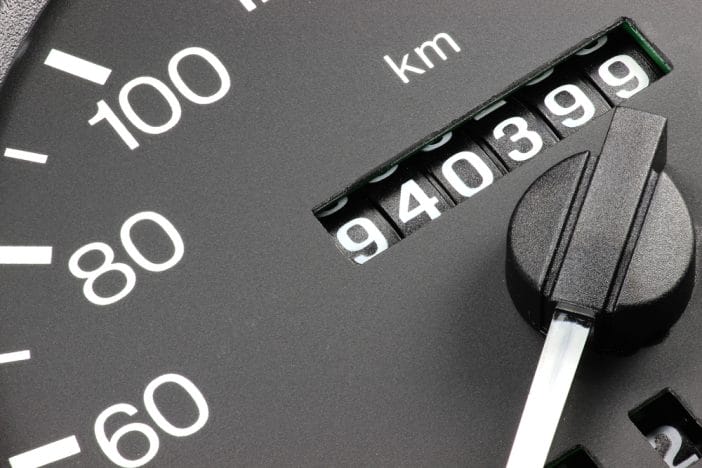
Engines hum, tires spin, and miles stack up faster than most drivers realize. One day, the odometer flips another neat little number, and suddenly your car is quietly asking for attention.
These mileage moments aren’t random; they’re checkpoints where wear, heat, friction, and time all start telling their stories. Ignore them, and the story can turn expensive fast. Pay attention, and you’ll keep your ride confident, safe, and ready for the next adventure.
1. 5,000 Miles: The Foundation Check
This is where good habits are born, and your car is still in its honeymoon phase. An oil and filter change is the star of the show, but a proper inspection goes well beyond that. Tire pressure, tread wear, and rotation patterns can reveal alignment issues early. Fluids like coolant, brake fluid, and windshield washer fluid should all be topped off and checked for contamination.
Belts and hoses deserve a quick look because factory defects sometimes show up surprisingly early. Catching small issues here sets the tone for thousands of smooth miles ahead.
2. 15,000 Miles: Early Wear Wake-Up
By 15,000 miles, your car has settled into real-world driving. Air filters often start clogging, which can quietly hurt fuel economy and throttle response. Brake pads should be measured, not guessed, because city driving can chew them up faster than expected. Suspension components like bushings and struts deserve attention for early signs of uneven wear. Tire rotation is crucial now to prevent cupping and road noise later. This milestone is about noticing subtle changes before they turn into habits your car can’t shake.
3. 30,000 Miles: The System Sync
Thirty thousand miles is a big one because multiple systems intersect here. Transmission fluid condition matters, even if the manufacturer claims it lasts forever. Fuel system inspections can spot clogged injectors or failing pumps before performance drops. Battery testing is smart, since heat cycles slowly weaken internal cells. Steering and alignment checks help prevent uneven tire wear that can snowball quickly. This milestone is all about keeping every system working together instead of drifting out of sync.
4. 50,000 Miles: Midlife Momentum
At 50,000 miles, your car is experienced but far from old. Brake components often need real service now, not just inspections. Wheel bearings, CV joints, and axles should be checked for noise or play. Cooling systems deserve a close look, including hoses, radiator, and thermostat performance. Spark plugs in many vehicles are nearing replacement territory, affecting efficiency and smoothness. Treat this milestone right, and your car keeps its momentum instead of slowing down early.

5. 60,000 Miles: Timing Matters
This is the mileage where timing truly matters, sometimes literally. Timing belts or chains should be inspected according to manufacturer guidelines, because failure can be catastrophic. Transmission service becomes more than optional for long-term reliability. Differential and transfer case fluids often get overlooked, yet they work hard every mile. Engine mounts may show cracks that cause vibration under load. Sixty thousand miles is about preventing sudden, dramatic breakdowns that arrive without warning.
6. 75,000 Miles: The Comfort Checkpoint
By now, comfort and control components start telling their age. Shocks and struts may not be leaking, yet their performance can fade quietly. Steering response might feel looser than it once did, signaling wear in tie rods or ball joints. Climate control systems deserve attention to keep heating and cooling consistent. Exhaust components can develop small leaks that affect noise and efficiency. This milestone focuses on keeping your drive enjoyable, not just functional.
7. 100,000 Miles: The Legend Test
Hitting six figures on the odometer is a badge of honor. Major services like spark plugs, coolant flushes, and full inspections are essential now. Rubber components such as hoses, seals, and gaskets become prime failure candidates. Sensors that control fuel and emissions may drift out of spec, triggering warning lights. Suspension bushings often show fatigue that affects handling confidence. With the right care, 100,000 miles marks a beginning, not an end.
8. 120,000 Miles: The Longevity Push
This is where long-term thinking pays off. Fuel pumps, alternators, and starters should be evaluated for aging symptoms. Transmission performance should be closely monitored for slipping or delayed shifts. Brake lines and fuel lines need inspection for corrosion, especially in harsh climates. Wheel alignment becomes critical to protect new tires. One thorough inspection here can add years to your vehicle’s life.
9. 150,000 Miles: The Veteran Assessment
At 150,000 miles, your car is a seasoned road warrior. Engine compression tests can reveal internal health without tearing anything apart. Suspension overhauls may be needed to restore ride quality and safety. Electrical systems, from window motors to wiring grounds, deserve attention. Small leaks that once seemed harmless should be addressed decisively. This milestone is about deciding how strong you want the next chapter to be.
Mileage Is A Conversation
Every mileage milestone is your car starting a conversation with you. Listening early and responding thoughtfully keeps that conversation friendly instead of frantic. Whether your vehicle is brand new or proudly seasoned, inspections turn unknowns into confidence.
Got a mileage moment that taught you a lesson or saved you from trouble? Drop your thoughts or stories in the comments section below and keep the conversation rolling.
You May Also Like…
10 Repair Delays That Hurt Your Car More Than The Mileage
5 Financial Moves Automotive Lovers Are Making This Quarter
Why Drivers Feel More Competent Working On Older Cars
Which Automotive Apps Are Collecting Your Personal Driving Habits?
Blink and They’re Gone: The 5 Fastest Cars on the Road
The post 9 Mileage Milestones That Demand Inspection appeared first on Clever Dude Personal Finance & Money.