
Gardening trends come and go, but some techniques never lose their value. Long before garden centers stocked endless shelves of fertilizers, gadgets, and specialty products, grandparents relied on practical methods that delivered dependable results season after season. Many of those old-school tricks required little money, very little waste, and a healthy dose of common sense.
Modern gardeners often discover that the simplest solutions work surprisingly well. A few habits passed down through generations can help save time, improve soil quality, reduce pests, and increase harvests. These tried-and-true methods have survived because they consistently produce results, whether the garden sits on a rural homestead or in a suburban backyard.
1. Save Kitchen Scraps for Compost Instead of Throwing Them Away
Grandparents rarely wasted anything that could benefit the garden. Vegetable peels, eggshells, coffee grounds, and fruit scraps often went into a compost pile rather than the trash. Over time, those materials broke down into nutrient-rich organic matter that improved soil texture and fertility.
Compost still ranks among the best soil amendments available. It helps sandy soils retain moisture and loosens heavy clay soils that drain poorly. Gardeners who add compost regularly often notice stronger plant growth and fewer watering problems during hot weather. A simple compost pile can transform everyday waste into one of the most valuable resources in the garden.
2. Plant Marigolds Near Vegetables
Many grandparents mixed flowers and vegetables throughout the garden instead of separating them into different areas. Marigolds frequently earned a place among tomatoes, beans, and peppers because gardeners believed the flowers helped keep unwanted pests away.
Modern gardeners continue using marigolds as companion plants because they can help reduce certain nematode populations in the soil and attract beneficial pollinators. Beyond their practical benefits, marigolds add bright color and visual interest to vegetable beds. A row of cheerful blooms can make a hardworking garden look just as beautiful as it is productive.
3. Mulch Everything Possible
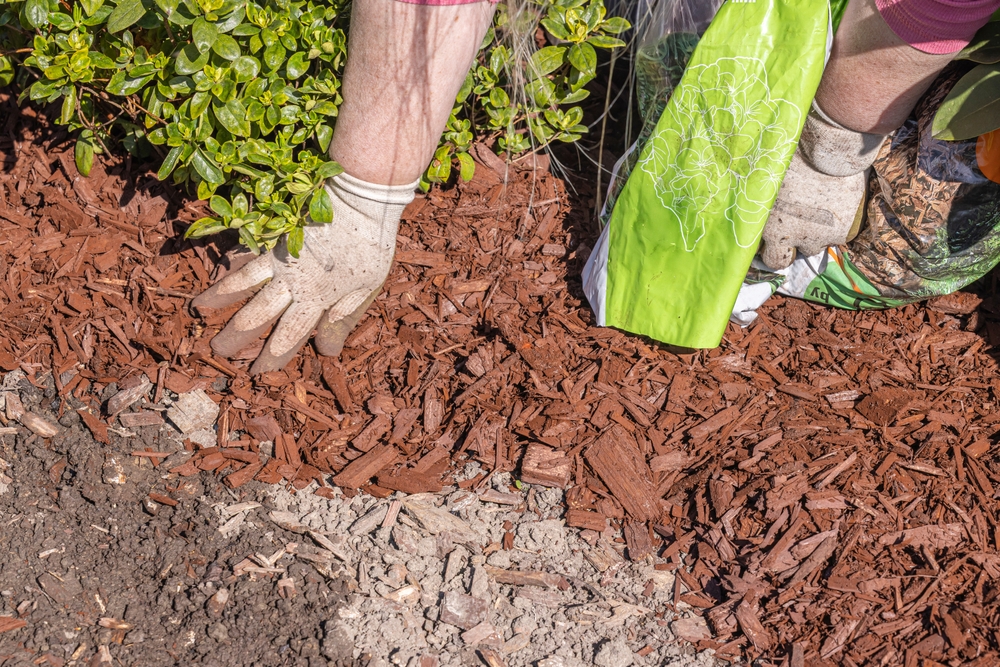
Older generations understood the value of covering bare soil. They often used straw, grass clippings, shredded leaves, or other natural materials as mulch around vegetables, flowers, and shrubs.
Mulch delivers several advantages at once. It helps soil retain moisture, suppresses weeds, moderates temperature swings, and gradually adds organic matter as it breaks down. During a hot summer, a thick layer of mulch can significantly reduce watering needs. Many experienced gardeners consider mulching one of the easiest ways to improve garden performance with minimal effort.
4. Rotate Crops Every Year
Grandparents paid close attention to where they planted crops from one season to the next. Tomatoes did not always grow in the same bed, and beans often moved to a different location each year.
Crop rotation helps reduce disease buildup and discourages pests that target specific plant families. It also prevents certain nutrients from becoming depleted in one area of the garden. Even a small backyard plot benefits from rotating vegetables whenever possible. This simple practice remains one of the smartest ways to maintain healthy soil and healthier plants over time.
5. Water Deeply Instead of Watering Daily
Many older gardeners preferred long, thorough watering sessions rather than frequent shallow sprinklings. They knew that plants developed stronger root systems when moisture reached deeper into the soil.
Deep watering encourages roots to grow downward in search of moisture. As a result, plants often handle heat and dry conditions better than those receiving frequent light watering. This technique also helps conserve water because less moisture evaporates from the soil surface. A deep soak once or twice a week frequently produces better results than a quick daily spray.
6. Save Seeds From Successful Plants
Before seed catalogs became widely available, many families saved seeds from their best-performing vegetables and flowers. Gardeners selected healthy plants with desirable traits and collected seeds for the following growing season.
Seed saving can preserve varieties that perform especially well in local conditions. Over time, those plants often adapt even better to a specific climate and soil type. Gardeners also enjoy significant savings by reducing the need to purchase new seed packets every year. The practice connects today’s gardeners with a tradition that stretches back centuries.
7. Use Eggshells Around Certain Plants
Eggshells found their way into many backyard gardens decades ago. Grandparents often crushed them and sprinkled them around plants or mixed them into the soil before planting.
Eggshells contain calcium, an important nutrient for plant development. While they do not provide an instant fix for garden problems, they gradually break down and contribute minerals to the soil. Many gardeners still use crushed eggshells around tomatoes, peppers, and other crops. Reusing kitchen waste in this way offers an inexpensive method for adding organic material to garden beds.
8. Garden by the Weather, Not the Calendar
Experienced gardeners from previous generations paid close attention to local weather patterns. They watched soil temperatures, observed seasonal changes, and kept an eye on frost risks rather than blindly following dates printed on seed packets.
This approach remains valuable today because weather varies dramatically from year to year. A warm spring can allow earlier planting, while an unusually cold season may require extra patience. Gardeners who observe local conditions often avoid common mistakes that damage young plants. Nature frequently provides better guidance than a calendar hanging on the wall.
9. Keep a Garden Journal
Many grandparents maintained notebooks filled with planting dates, harvest records, weather observations, and notes about successes or failures. Those records became valuable references year after year.
A garden journal helps identify patterns that might otherwise go unnoticed. Gardeners can track which tomato varieties produced the largest harvests, when pests appeared, or how the weather affected certain crops. Even a simple notebook can become one of the most useful gardening tools available. Detailed records often lead to smarter decisions and better harvests with each passing season.
The Wisdom in Yesterday’s Garden
The best gardening advice does not always come from a new product or viral social media trend. Many of the most effective techniques have existed for generations because they address common gardening challenges with practical, affordable solutions. Composting, mulching, crop rotation, and careful observation continue to deliver impressive results in gardens of every size.
What gardening trick did your grandparents teach that still earns a place in your garden today? Share your favorite old-fashioned gardening wisdom in the comments below!
You May Also Like…
Why So Many Gardeners Are Ditching Traditional Lawns in 2026
What Experienced Gardeners Wish They Knew Their First Year
The Growth Mistake Most Gardeners Overlook
Don’t Let Your Herbs Bolt—Pinching Tricks to Keep Cilantro and Basil Going
4 Composting Tricks That Work Better Than Store-Bought Bags
The post 9 Gardening Tricks Grandparents Used That Still Work Today appeared first on Frugal Gardening.