
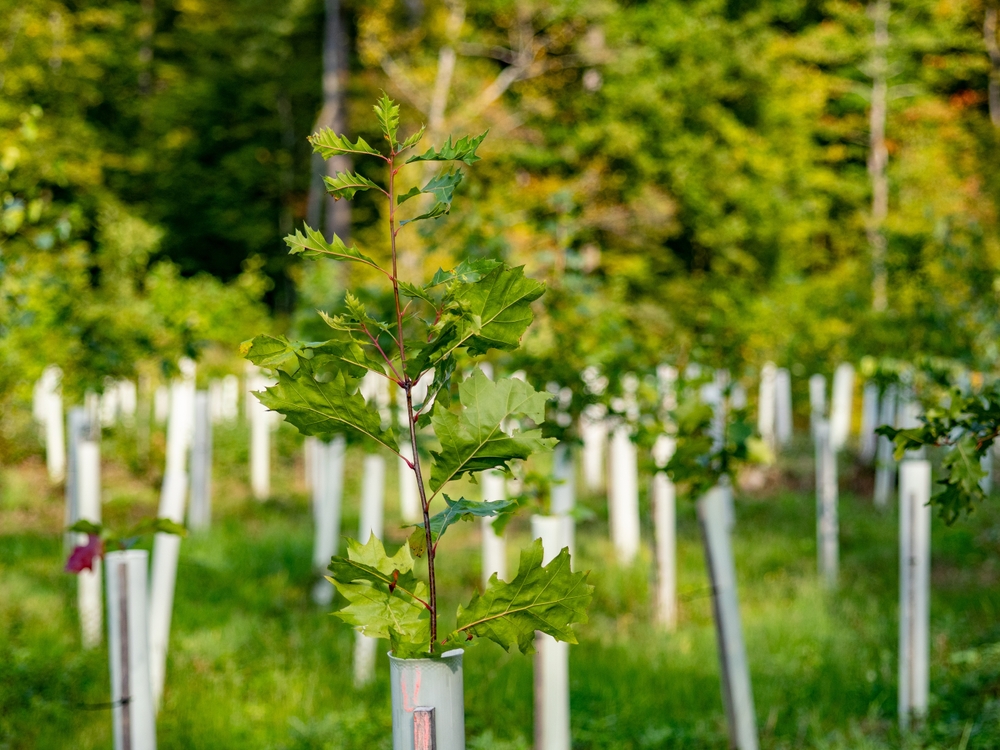
Wind can be a bully, especially to young trees that are still figuring out life with tender bark, flexible trunks, and shallow roots. One blustery afternoon can undo months of careful planting, leaving leaves scorched, branches stressed, and growth stalled. Windburn isn’t just a cosmetic issue either; it robs trees of moisture, weakens their defenses, and can set them back for seasons.
If you’ve ever planted a sapling and then nervously watched the weather forecast, you’re in the right place. These nine practical, proven strategies will help your young trees stand tall, stay hydrated, and thrive even when the breeze gets bold.
1. Choose The Right Planting Location From Day One
Where you plant a young tree matters more than many gardeners realize, especially when it comes to wind exposure. Open, elevated areas or gaps between buildings can create wind tunnels that batter tender leaves day after day. Planting near fences, hedges, or existing mature trees can dramatically reduce the force of prevailing winds. Even a slight change in placement, like moving a few feet downhill or closer to a structure, can make a big difference. Observing how wind moves through your yard during different seasons gives you valuable insight before you ever dig a hole. A thoughtfully chosen location acts like a built-in shield long before you add any extra protection.
2. Use Temporary Wind Barriers For Immediate Protection
Temporary wind barriers are a lifesaver for newly planted trees that haven’t yet adapted to their environment. Materials like burlap, shade cloth, or even snow fencing can be attached to stakes to block harsh gusts. These barriers don’t need to completely stop airflow; slowing and diffusing the wind is enough to prevent leaf scorch. Position the barrier on the windward side, leaving some space so air can circulate gently around the tree. This approach reduces stress while still allowing the tree to strengthen naturally. Once the tree establishes itself, the barrier can be removed without any long-term impact.
3. Mulch Properly To Lock In Moisture
Windburn often starts with moisture loss, making mulch one of your strongest allies. A thick, even layer of organic mulch helps soil retain water and keeps roots cool and hydrated. When wind strips moisture from leaves faster than roots can replace it, damage follows quickly. Mulch acts as a buffer, reducing evaporation from the soil surface. Be careful to keep mulch a few inches away from the trunk to prevent rot and pests. Done correctly, mulching creates a stable, protected environment that helps young trees cope with drying winds.
4. Stake Young Trees The Smart Way
Staking can be helpful, but only when done correctly and temporarily. Proper staking stabilizes a young tree without making it dependent on support. Use flexible ties that allow slight movement, which encourages the trunk to strengthen naturally. Stakes should be placed outside the root ball and removed after one growing season in most cases. Overstaking can actually increase windburn risk by weakening the tree’s structure. When done right, staking gives young trees just enough help to weather windy conditions while still building resilience.
5. Water Deeply And Consistently
Consistent watering is essential for preventing windburn, especially during dry or windy periods. Wind accelerates transpiration, pulling moisture from leaves at a rapid pace. Deep watering encourages roots to grow downward, anchoring the tree and improving water uptake. Shallow, frequent watering creates weak roots that struggle during stress. Pay attention to soil moisture rather than sticking to a rigid schedule. A well-hydrated tree is far better equipped to handle wind without showing signs of burn.
6. Apply Anti-Desiccant Sprays When Needed
Anti-desiccant sprays can offer an extra layer of defense during particularly harsh conditions. These products create a thin, waxy coating on leaves that reduces moisture loss. They’re especially useful in winter or early spring when cold winds combine with dry air. Application timing matters, so follow label instructions carefully for best results. While not a substitute for good planting practices, anti-desiccants can provide valuable backup protection. Used wisely, they help young trees conserve moisture when they need it most.
7. Select Wind-Tolerant Tree Varieties
Not all trees react to wind the same way, and smart selection goes a long way. Some species naturally have thicker leaves, flexible branches, or growth habits that handle wind better. Researching varieties suited to your local climate and exposure saves frustration later. Native trees often perform especially well since they evolved with local weather patterns. Choosing wind-tolerant species reduces the need for ongoing intervention. It’s a proactive strategy that sets your landscape up for long-term success.
8. Create Living Windbreaks With Other Plants
Living windbreaks are both beautiful and functional. Rows of shrubs, grasses, or hardy perennials can slow wind before it reaches young trees. Unlike solid walls, plants filter wind gradually, reducing turbulence. Over time, these windbreaks improve soil health and provide habitat for beneficial wildlife. They also add visual interest to your garden or yard. A layered planting approach offers protection that grows stronger each season.
9. Monitor Regularly And Respond Early
Vigilance is one of the most underrated tools in preventing windburn. Early signs like browning leaf edges or drooping foliage are easy to miss if you’re not looking. Regular check-ins allow you to adjust watering, add protection, or reposition barriers quickly. Wind patterns can change with the seasons, so what worked in spring may need tweaking later. Catching stress early prevents minor issues from becoming major setbacks. A little attention goes a long way toward keeping young trees healthy and resilient.
Help Your Young Trees Grow Strong And Confident
Protecting young trees from windburn doesn’t require expensive equipment or complicated techniques, just thoughtful care and timely action. With the right placement, consistent moisture, and smart protection strategies, your trees can grow stronger with every season. Each windy day becomes an opportunity for resilience rather than damage.
If you’ve discovered a clever method or learned a lesson the hard way, we’d love to hear your experiences in the comments below. Your insights might be exactly what another tree-loving reader needs.
You May Also Like…
Why You Should Refresh Mulch Around Trees Before the First Snow
Do Evergreen Trees Belong in a Winter Colour Strategy?
How to Keep Citrus Trees Thriving in a Cold Climate
The Easiest Way to Keep Young Trees Safe from Winter Winds
9 Fruit Trees to Plant Bare-Root in Fall
The post 9 Fast Ways to Protect Young Trees From Windburn appeared first on Frugal Gardening.