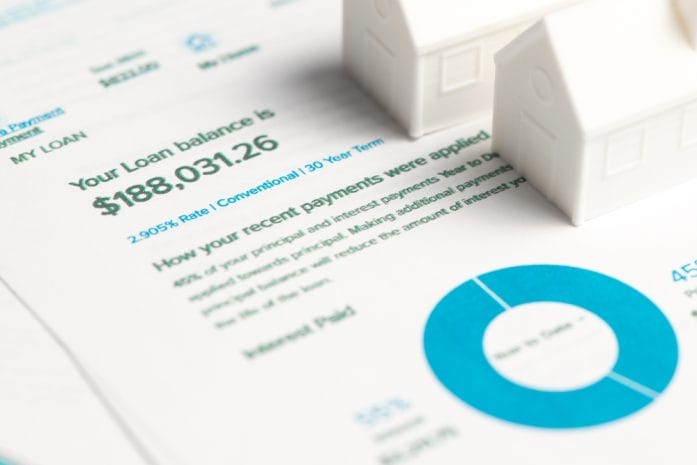
You’re cruising along, bills paid, coffee in hand, feeling like you’ve finally cracked the code of adulthood. The numbers line up, the math works, and nothing feels out of control. Then one small shift happens—a rate bumps up, a habit evolves, or life throws in a new variable—and suddenly that “totally fine” expense demands a second look.
These aren’t dramatic financial disasters; they’re the subtle changes that turn comfort into tension. Let’s talk about the everyday costs that behave nicely until one thing changes and reminds you who’s really in charge.
1. Rent Or Mortgage Payments
Housing costs often feel stable because they’re predictable month to month. You sign a lease or lock in a mortgage and build your budget around that number. The problem appears when a lease renewal brings a higher rate or property taxes push a mortgage payment upward. Even a modest increase can ripple through the rest of your finances because housing already takes a large slice of income.
Add in rising insurance premiums or unexpected maintenance, and that once-manageable payment suddenly demands sacrifices elsewhere. Housing doesn’t need to double to cause stress; it just needs to inch upward at the wrong time.
2. Car Ownership Costs
A car payment alone can seem perfectly reasonable, especially when the vehicle feels reliable. Then gas prices rise, insurance renews at a higher rate, or repairs start appearing more often. Maintenance costs tend to cluster, which makes a dependable car feel suspiciously expensive all at once.
A longer commute or a job change can quietly increase fuel and wear costs. Registration fees and taxes add another layer that’s easy to forget until they’re due. Cars are manageable until usage or upkeep changes, and then they demand attention fast.
3. Childcare Expenses
Childcare is often budgeted carefully because it’s expected and essential. It works until a schedule change requires more hours or a provider raises rates. As children grow, their needs change, sometimes requiring different care arrangements that cost more.
Summer programs, after-school care, and holiday coverage add layers that weren’t always there. Even small increases add up quickly because childcare is already a major expense. Families often find that one shift in routine can reshape the entire monthly budget.
4. Health Insurance And Medical Costs
Monthly premiums can feel manageable when they’re predictable and benefits are familiar. Trouble starts when a job change alters coverage or deductibles reset for the year. A single unexpected medical issue can turn a quiet line item into a dominant expense. Prescription changes or specialist visits add costs that weren’t part of the original plan. Even routine care can become expensive when coverage rules change. Healthcare costs rarely explode all at once; they grow louder with each adjustment.
5. Utilities And Energy Bills
Utilities often fade into the background because they’re relatively steady. Seasonal shifts, however, can dramatically change heating or cooling costs. Energy rate increases can arrive quietly and stay for good. A larger household, remote work, or aging appliances can push usage higher without much notice.
Weather extremes make those changes impossible to ignore. Utilities are manageable until consumption or pricing changes, and then they demand respect.
6. Groceries And Household Supplies
Food budgets feel flexible because shopping habits feel familiar. Prices rise gradually, making it hard to pinpoint when things got more expensive. Dietary changes, growing families, or hosting more often can nudge spending upward.
Convenience items and prepared foods quietly cost more over time. Even switching stores or brands can impact totals. Groceries rarely shock you in one trip; they wear you down over dozens of receipts.

7. Subscriptions And Memberships
Subscriptions are famous for feeling harmless. A few dollars here and there don’t seem worth worrying about. Then prices increase, free trials end, or services add tiers you didn’t plan on.
The number of subscriptions can grow while their value stays the same. Annual renewals can hit all at once, creating a sudden cash crunch. Subscriptions are manageable until they multiply or change terms without asking.
8. Student Loan Payments
Student loans often come with structured repayment plans that feel predictable. That sense of control shifts when interest accrues faster or repayment pauses end. Income changes can make once-comfortable payments feel heavy. Consolidation or refinancing can alter timelines and totals in unexpected ways.
Even small interest rate differences matter over long periods. Student loans behave until one variable changes, and then they remind you they’re in it for the long haul.
9. Pet Care And Veterinary Costs
Pets usually fit neatly into a budget with food and routine care. The challenge appears when health issues arise or pets age. Veterinary costs can escalate quickly and aren’t always optional. Specialized food, medications, and emergency visits add layers of expense. Even grooming and boarding costs can increase with changing needs. Pet expenses feel manageable until one unexpected visit rewrites the budget.
When Small Changes Make A Big Difference
Most budgets don’t collapse because of reckless spending. They wobble when familiar expenses quietly change their rules. Recognizing which costs are sensitive to change helps you prepare before stress sets in. Awareness creates flexibility, and flexibility keeps finances feeling human.
If any of these expenses have caught you off guard, your experience could resonate with others reading along. Drop your thoughts or stories in the comments section below and keep the conversation going.
You May Also Like…
Why Do Fixed Expenses Feel Anything But Fixed
The Texas Mortgage Shock: Why Your Monthly Payment Just Jumped $400 Without Warning
Why Does Spending Turn A Dream Vacation Into A Nightmare?
Debt Alert: 6 Ways Holiday Spending Could Trigger a January Credit Score Crisis
Why Do Unexpected Expenses Always Seem to Hit at the Worst Time
The post 9 Expenses That Feel Manageable Until One Changes appeared first on The Free Financial Advisor.