Consumers are typically wary of obvious hazards like undercooked meat or spoiled dairy. However, many everyday groceries carry entirely unexpected contamination. These threats come from agricultural practices, processing methods, and even the packaging itself. Recognizing these hidden risks allows shoppers to take better preventative measures in the kitchen. Vigilance is essential because these risks often compromise basic, staple ingredients.
1. Leafy Greens and Sprouts
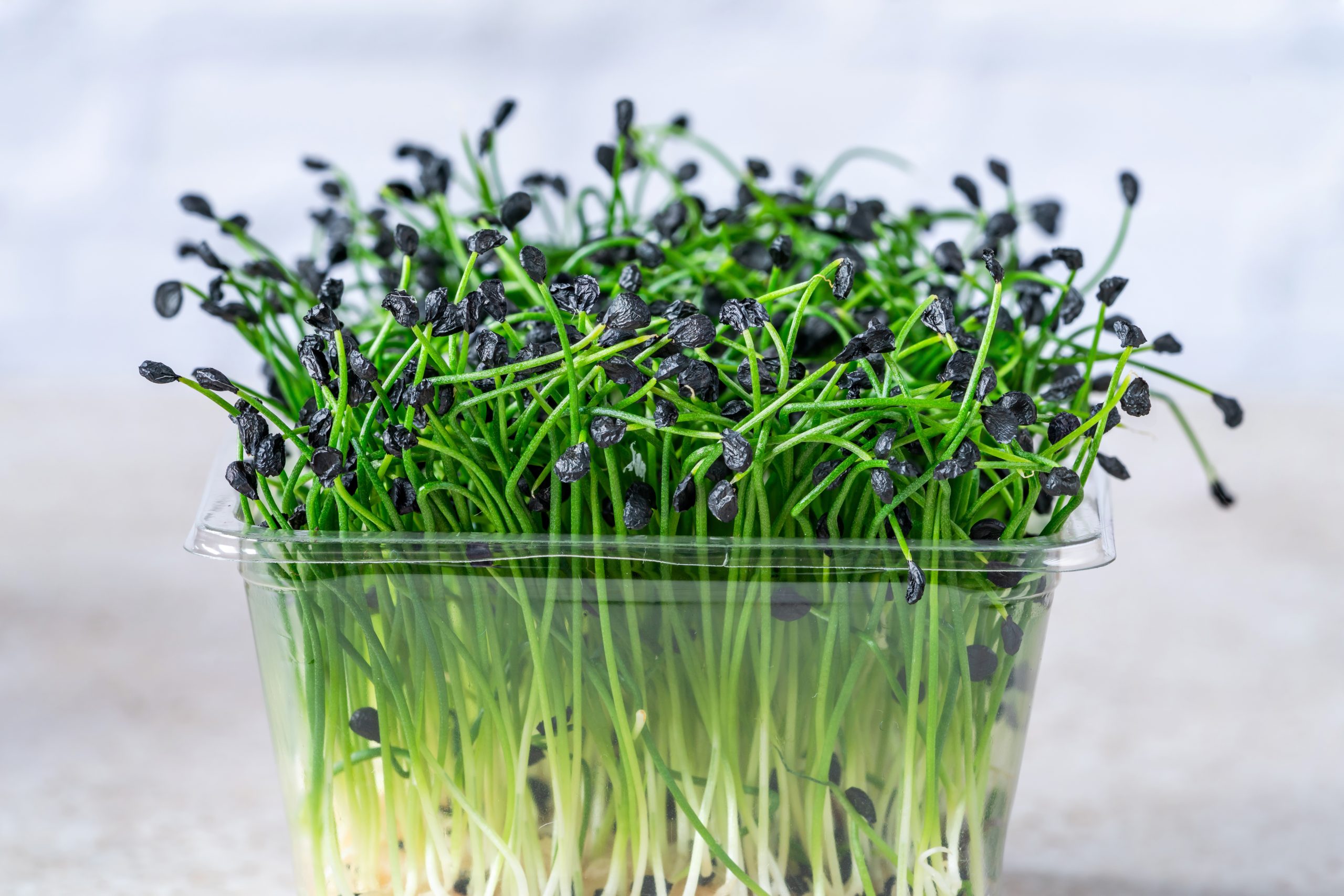
Leafy greens are frequently linked to outbreaks of illness. These foods are often contaminated with bacteria like E. coli and Listeria. The contamination can occur from unclean water or dirty soil runoff during farming. Since leafy greens are typically consumed raw, proper washing is critical. Sprouts are particularly high-risk due to their warm, moist growing environment.
2. Raw Flour
Raw flour is a finely processed grain that many consumers believe is sterile. However, flour can carry harmful bacteria like Salmonella and E. coli. These contaminants are not killed until the flour is cooked completely. Eating raw cookie dough or tasting raw batter poses a real risk. Always cook recipes containing flour thoroughly before consumption.
3. Pre-Cut Melons and Salads
Pre-cut fruits and vegetables carry a higher risk of contamination than whole produce. The cutting process introduces potential exposure to bacteria from equipment and surfaces. Recalls have frequently occurred involving Salmonella and Listeria in pre-cut melon and bagged salad mixes. It is safer to buy whole produce and wash and slice it yourself at home.
4. Antibiotic-Laced Meat
Meat, particularly ground turkey and chicken, can harbor bacteria that are resistant to antibiotics. This resistance develops when animals are routinely treated with antibiotics to promote growth. These resilient bacteria can be dangerous to humans if the meat is not cooked properly. Consumers must cook poultry and ground meats to their safe internal temperature.
5. Microplastics in Salt and Sugar
Microplastics are an unexpected contaminant found in many pantry staples. Studies confirm that microplastic particles can be present in both processed table salt and sugar. This contamination often results from environmental pollution during harvesting or processing. Choosing products packaged in glass or cardboard may help reduce exposure.
6. Microplastics in Rice
Rice is another widely consumed grain found to contain microplastic particles. The contamination may occur in the field through irrigation with polluted water sources. This issue is often worse in instant rice products. Rinsing rice thoroughly before cooking may help reduce the level of microplastic exposure.
7. Shellfish
Shellfish, such as mussels, oysters, and scallops, often contain higher concentrations of microplastics. These organisms are filter feeders that accumulate particles from the water in which they live. Limiting the consumption of shellfish is a recommended precaution for reducing exposure. This is a trade-off between nutrition and environmental contaminants.
8. Bulk Spices and Nuts
Spices and nuts are susceptible to contamination by Salmonella and mold toxins. The risk is highest when these items are improperly stored or handled. Contamination can occur during the drying process or while items are displayed in open bulk bins. Shoppers should purchase these items from reputable sources that prioritize rigorous testing.
9. Food Storage Containers
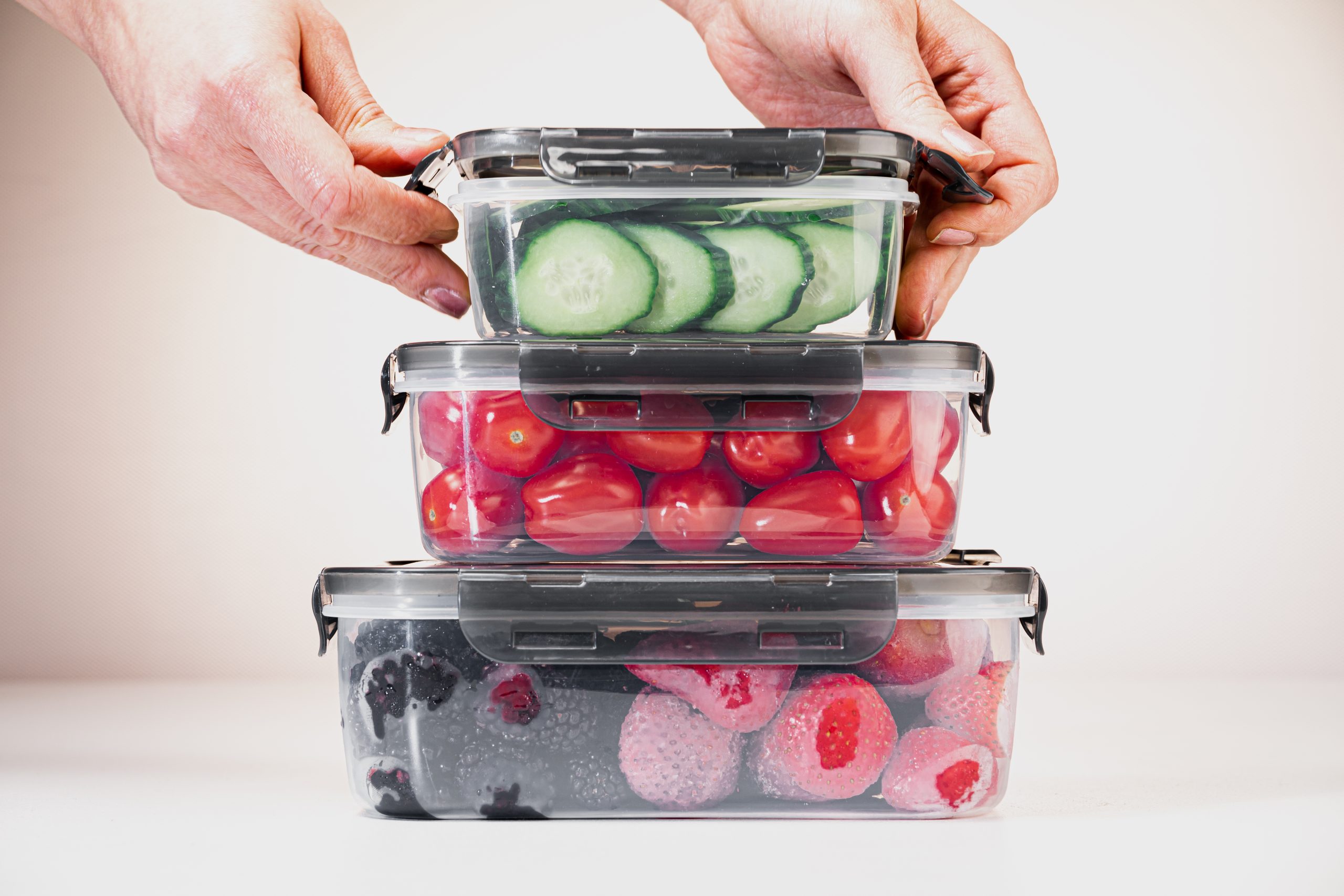
Even after the food is clean, contaminants can migrate from plastic storage containers. Chemicals like BPA and phthalates can transfer from plastic to food. This transfer is especially easy with fatty foods like cheese and oils. Storing high-fat items in glass containers offers a much safer alternative.
A New Standard for Food Defense
The complexity of the global food chain requires a new standard for defense. Contamination can occur at the farm, in transit, or during final processing. Shoppers must be aware of these hidden sources of risk to make safe decisions. Vigilance at home, including proper washing and cooking, remains the best defense.
What to Read Next
- 8 Foods That Were Pulled for Contamination But Came Back Without Warning
- 10 Pet Foods That Were Removed Due to Contamination—But Quietly Returned
- 10 Shelf Products On Recall for Cross-Contamination
- 12 Types of Food Recalls and Contamination Scares Seen in Grocery Chains (And How to Stay Safe)
- 6 Restaurant Chains That Had to Pull a Dish Due to Contamination
The post 9 Everyday Foods That May Carry Contamination You Didn’t Expect appeared first on Grocery Coupon Guide.