
Your car should smell like freedom, fresh air, and maybe a hint of adventure—not like a mystery that makes passengers crack windows in panic.
Yet somehow, everyday routines quietly turn vehicles into rolling odor traps. Scents settle in, cling to fabrics, and stage a long-term takeover that air fresheners barely dent. The wild part is that most drivers create these smells without realizing it, repeating tiny habits that invite stink to move in and redecorate.
If your car has ever made you wonder what on earth happened in there, you are about to meet the real culprits.
1. Leaving Food And Drinks Behind
Food leftovers are the undisputed champions of car odors, especially when forgotten under seats or tucked into door pockets. Crumbs fall, sauces drip, and spilled drinks seep into carpet padding where they ferment quietly. Heat accelerates the process, turning yesterday’s lunch into today’s nose-wrinkling nightmare. Even sealed containers can leak or absorb surrounding smells, adding to the chaos.
Over time, bacteria feast on food residue and release gases that linger long after the mess disappears. One forgotten snack can keep a car smelling suspicious for months.
2. Ignoring Wet Items After Rain Or Workouts
Wet gym clothes, damp umbrellas, and soggy towels may seem harmless during a rushed commute. In reality, moisture creates the perfect breeding ground for mildew and mold inside a closed vehicle. Fabric seats and carpets absorb water quickly and dry painfully slowly. As dampness lingers, musty odors settle deep into fibers and refuse to leave.
Even if the wet item is removed later, the smell often remains behind as a souvenir. This habit quietly transforms cars into rolling locker rooms.
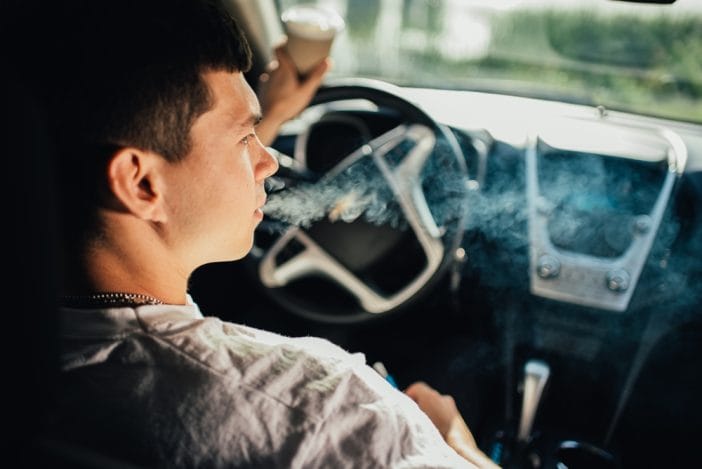
3. Smoking Or Vaping Inside The Car
Smoke particles are tiny, stubborn, and incredibly clingy. They lodge themselves in upholstery, headliners, seat foam, and even air vents. Opening windows only spreads the particles around instead of removing them. Over time, layers of smoke residue create a stale, heavy odor that no spray can truly mask. Vaping adds sweet or chemical notes that bond with existing smells and intensify them. Once smoke settles in, professional cleaning is often the only escape.

4. Rarely Cleaning Floor Mats And Carpets
Shoes carry in dirt, oil, pet messes, and street grime every single day. Floor mats collect it all and quietly stew in it as temperatures rise. Spills soak downward into carpet padding, creating invisible odor reservoirs. Vacuuming alone often leaves behind sticky residue that continues to smell.
Without regular deep cleaning, mats become scent factories that reactivate every time humidity rises. The nose always notices, even if the eyes do not.
5. Letting Trash Pile Up
Fast-food bags, coffee cups, and receipts seem harmless when tossed into the passenger seat. Over time, they trap moisture, grease, and food particles that start to break down. Trash absorbs surrounding odors and redistributes them throughout the car. Even after removal, the smell often sticks around as if the garbage never left. The longer trash sits, the deeper the odor embeds itself into fabrics. A cluttered car rarely smells clean.
6. Forgetting About The Trunk
The trunk often becomes a catch-all for groceries, sports gear, and emergency supplies. Spilled milk, leaking meat packages, or muddy equipment easily go unnoticed back there. Trunk carpeting is thick and absorbent, making it ideal for trapping odors. Heat and lack of ventilation intensify the problem fast. Weeks later, the source may be invisible but the smell certainly is not. Trunks remember everything.
7. Skipping Regular Interior Detailing
Dust, skin oils, and environmental pollutants accumulate slowly but relentlessly. Over time, they coat surfaces and create a stale baseline odor. Air vents collect debris that circulates smells every time the system runs. Without periodic deep cleaning, these odors blend together into a permanent background scent. Wiping surfaces is not enough to remove what sinks below them. Neglect allows smells to layer and harden like invisible glue.
8. Driving With Dirty Or Old Cabin Air Filters
Cabin air filters trap dust, pollen, and pollutants from entering the vehicle interior. When clogged or old, they stop filtering effectively and start emitting smells instead. Moisture buildup inside the filter can lead to mold growth. Every blast of air conditioning then spreads that odor throughout the car. Many drivers forget filters exist, letting them age far beyond usefulness. A neglected filter can sabotage an otherwise clean interior.
9. Transporting Pets Without Proper Protection
Pets bring joy, companionship, and unfortunately, lingering odors. Fur embeds into upholstery, carrying natural oils and outdoor smells. Accidents, drool, and damp fur soak into seats and carpets fast. Even short trips can leave behind long-term scent reminders. Without seat covers or frequent cleaning, pet smells become part of the car’s identity. Once embedded, they can be tough to fully remove.
Clearing The Air For Good
Car odors rarely appear overnight, and they almost never vanish on their own. They are built slowly through habits that feel small but add up fast. The upside is that awareness changes everything, and prevention beats any air freshener on the market. By adjusting daily routines and showing your car a little extra care, fresh air can finally win the battle.
Everyone has a car smell story, whether embarrassing, hilarious, or downright confusing. Drop your experiences, tips, or lessons learned in the comments section below and let others learn from them too.
You May Also Like…
Blink and They’re Gone: The 5 Fastest Cars on the Road
Why Drivers Feel More Competent Working On Older Cars
5 Ways Your Driving Style Changes Once The Weather Shifts
Why AI Inside Cars Makes Some Men Feel Less In Control
Driving On Ice Teaches You More About Control Than Any Self-Help Book
The post 9 Everyday Car Habits That Make Odors Impossible to Get Rid Of appeared first on Clever Dude Personal Finance & Money.