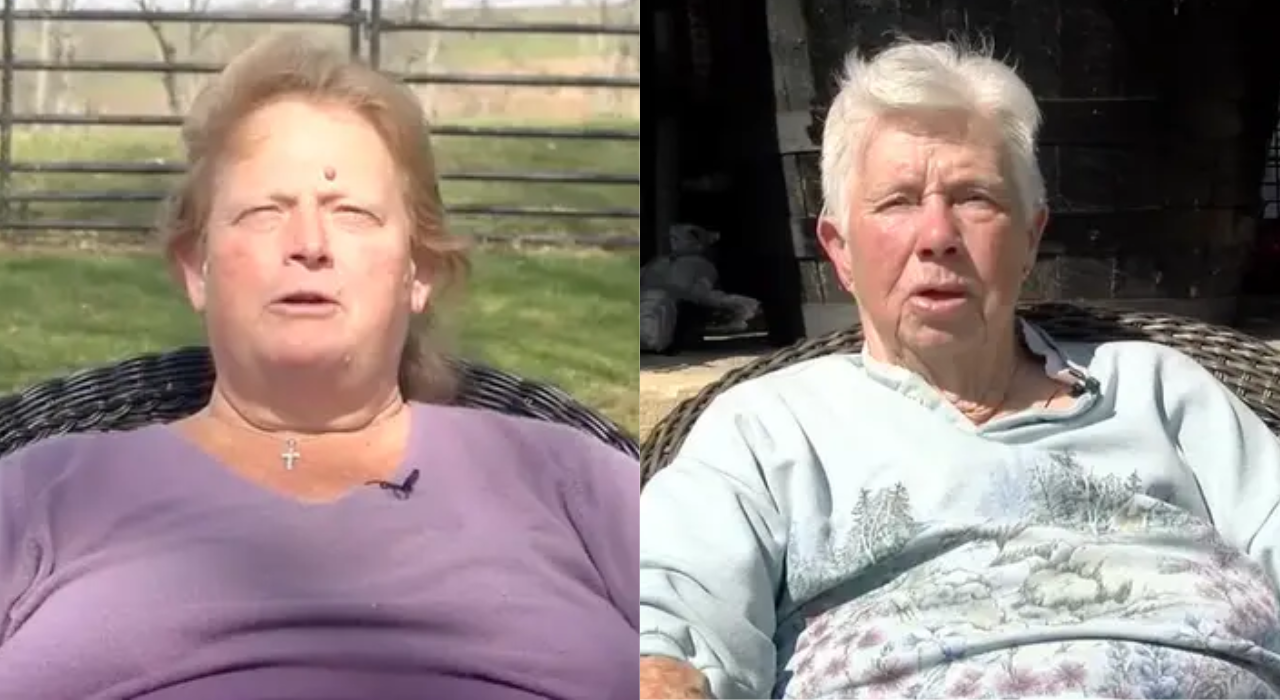
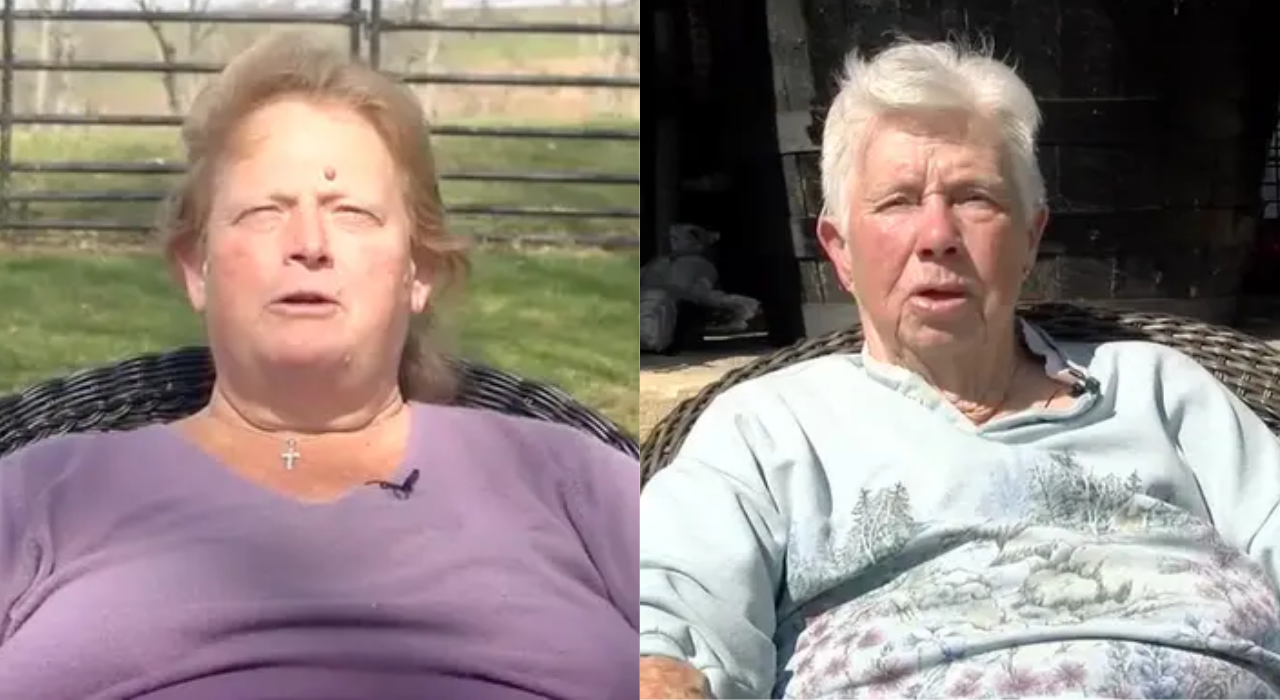
For Ida Huddleston, the large tract of land in Kentucky isn’t just about the property. It is about generations of family heritage, memories, pain, and identity intertwined. And for this reason, Huddleston, the 82-year-old great-grandmother, could not sell her family's land even after developers made an offer of $26 million.
According to People Magazine , Huddleston and her daughter Delsia Bare initially signed a contract to sell their family's farmland located in Maysville, Kentucky. However, Huddleston and her daughter changed their minds and tore up the contract. With a legacy that can be traced back to before the American Civil War, Huddleston's farmland has become the focal point of the debate on data centres and rural America.
“We never wanted to leave our land,” Bare, 54, told People. “It never went through my mind that this was a Cinderella story.”
A family history rooted in the land
The connection of Huddleston to the property goes back over six decades. As reported, she came to live on the property when she married her late husband, William Robert “Bill” Huddleston, at a tender age, and the two gradually expanded the land throughout the years.
No member of the family ever sold any piece of the land willingly. The land was the family home, and she was raised there, horseback riding and working out in the open. Generations of family members were born on that land, and her late husband was buried there in an ancient family cemetery, as reported.
Before his death in 2013, Bill Huddleston ensured that his land would stay within the family’s hands by dividing it between his wife, Delsia, and their son, Bob Huddleston, who also resides on the farm and objects to the proposed sale. This is not a matter of money for Huddleston. Reportedly, she said, no amount of money could replace what the family had built there over generations.
Why the family initially agreed to sell
The planned data center is reportedly set to cover about 2,000 acres in Mason County, although the identity of the corporation undertaking the development remains undisclosed.
According to reports, the family members first found out about the impending project after the neighbours started getting unusually high offers for their land, which had previously been worth much less than the sum offered. Bare described it as sounding like a "scam".
Nevertheless, this case turned out to be even more complicated, due to the family's experience with eminent domain in the past. As revealed, some portions of their property had already been used as a public highway construction site and as a landfill. Janet Garrison, who is an activist within the area, reported that the farmers were informed that should they refuse to sell willingly, the government would possibly use eminent domain to place the infrastructure of the said construction on their lands.
Out of fear that they might lose the land for a lower price, Bare confirmed that the family decided to sign the contract in spite of their apprehensions and uncertainties. However, this plan did not hold long. It was stated in the report that Bare received a message from her mother that the latter did not wish to leave the house, or even her flower beds.
Data centers and growing tensions in rural America
The Kentucky controversy represents broader conflicts developing within the rural communities of America due to increasing demand for AI technology and cloud computing facilities.
According to the statistics provided by the International Energy Agency , global demand for electricity generated from data centers will rise significantly in the following years due to growing AI infrastructure and technologies. Big technology corporations are increasingly focusing on rural areas to build their data centers due to the availability of space and energy access. Nevertheless, opponents state that such projects may put tremendous strain on the local electrical grid and water supply while providing little to no permanent employment for the local residents.
One of the reports released by the University of Tulsa’s Institute for Energy and the Environment highlighted the fact that data centers frequently consume great amounts of energy and water, especially with AI technology. It has recently been noted that there have been rising environmental concerns related to AI infrastructure development as big tech corporations invest billions of dollars into new data centres and computing capacity.
‘Everything comes from the land...’
Even with the uncertain future of the project, the Huddleston family claims that they intend to stay put at their farm. Some parts of the zoning and development process have already been approved by local planning officials, and further approval will be taken by county officials soon.
However, Huddleston says that preservation of farm land is more important than profit-making. “We’re still trying to hang on to the land because everything comes from the land,” she told People. “Once you tear it up, you can never replace it again.”
To her, the fight against developers is not about receiving millions of dollars. For her, the matter lies beyond monetary value.