For eight-year-old Emi Valo, riding a bicycle is about more than fresh air and fun. It is a chance to give something back.
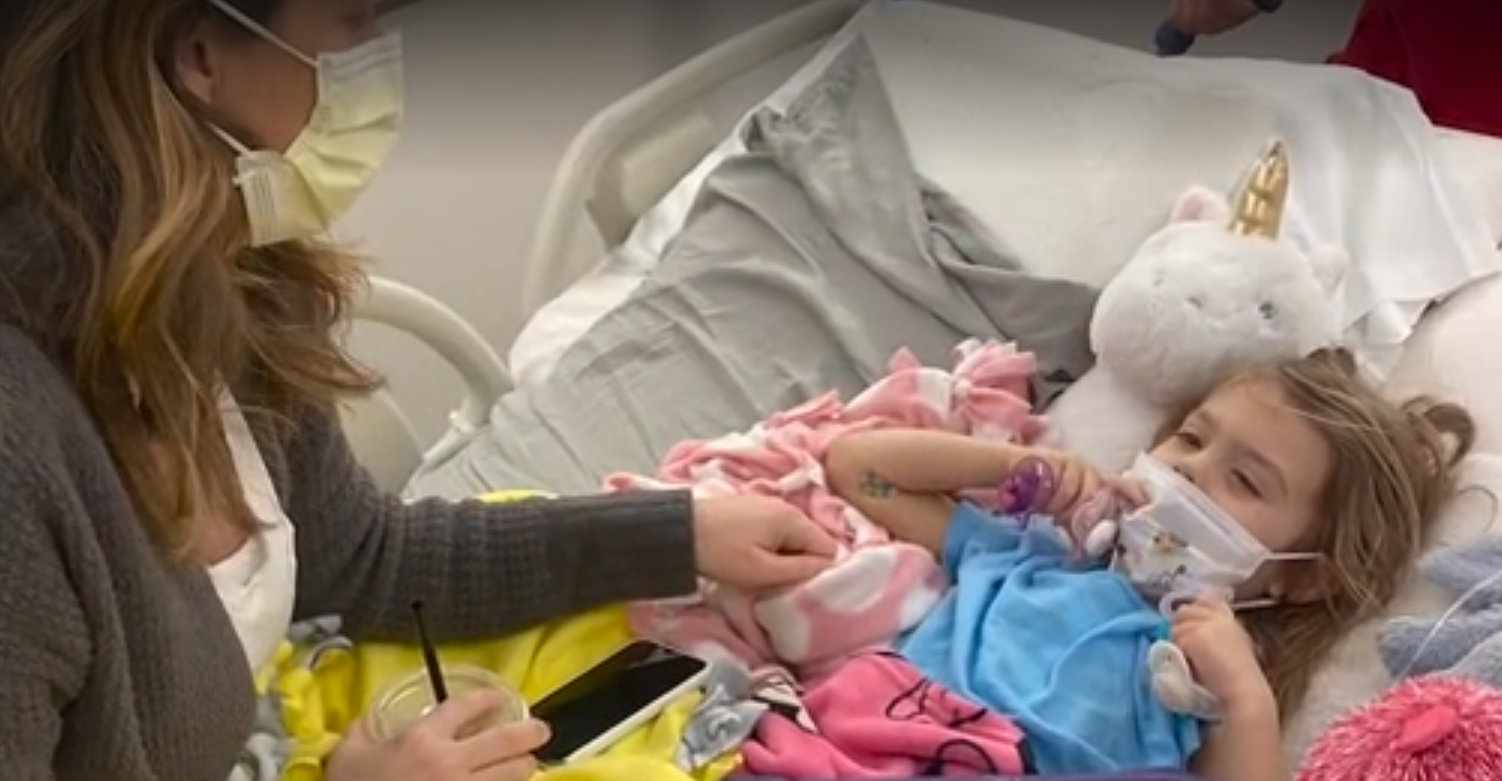
Just a few years ago, Emi was spending her days in hospital undergoing treatment for leukaemia. Today, cancer-free and full of energy, she is helping to raise thousands of dollars for paediatric cancer research, the very field that helped save her life.
Get breaking news anytime, anywhere. Download the TOI app now!
Alongside her family, classmates and local supporters in Ohio, Emi has already raised more than $5,000 through a fundraising campaign linked to Pelotonia Kids, an initiative that supports childhood cancer research. What began as one family's way of showing gratitude has grown into a wider effort to help children who are still facing the challenges she once knew all too well.
It is a reminder of something often overlooked. Behind every improvement in childhood cancer survival rates lies years of research, clinical trials and scientific work that most patients never see. For families like the Valos, that work is not abstract. It is deeply personal.
Childhood cancer survivor channels her experience into helping others
Emi was only three years old when she was diagnosed with leukaemia. The years that followed were shaped by hospital appointments, treatments and the uncertainty that accompanies any childhood cancer diagnosis.
She received care at Nationwide Children's Hospital and underwent more than two years of treatment before eventually entering remission.
Now, with those difficult years behind her, Emi has chosen to focus on helping other children. Together with friends, family members and classmates, she has raised funds through Pelotonia Kids, including hosting a community lemonade stand ahead of a children's cycling event.
Her father, Mike Valo, told NBC4 that the family's motivation is simple. The medical advances that helped his daughter survive were made possible by generations of researchers, doctors and supporters who invested in cancer research long before Emi was born.
“We’re really grateful that funding happened for [the doctor] to be able to do that research,” Mike also said. “Our daughter is here today because of that, and we want to make sure we can do whatever we can so that other research can happen for other types of kids’ cancers.”
Emi's own explanation is even simpler.
“We are trying to raise as much money as possible for kids with cancer,” Emi said. “I don’t want people to be sick.”
Something is striking about that straightforward response. Childhood cancer is an extraordinarily complex medical challenge, yet the desire driving many fundraising efforts often comes down to a very human instinct: preventing others from experiencing the same hardship.
Why paediatric cancer research still needs sustained support
Progress in childhood cancer treatment over recent decades has been remarkable. Survival rates for some forms of childhood leukaemia have improved dramatically compared with previous generations.
Yet researchers continue to stress that significant challenges remain. Many childhood cancers are rare, making them difficult to study and often limiting the availability of targeted treatments. Some cancers still carry poor survival rates, while survivors can face long-term health complications linked to intensive therapies received during childhood.
That is one reason organisations such as Pelotonia continue to invest heavily in research programmes. According to the charity, every participant-raised dollar supports innovative cancer research aimed at improving outcomes for patients.
"100 per cent of every participant-raised dollar" supports cancer research.
Funding helps researchers explore new treatment approaches, develop precision medicine strategies and accelerate discoveries that could eventually become standard clinical care.
The reality is that today's breakthroughs often begin as small research projects years earlier. The treatment that saves a child's life tomorrow may depend on funding provided today.
How community fundraising is helping shape the future of childhood cancer treatment
Large scientific advances are often associated with laboratories, universities and hospitals. Less visible are the thousands of community events that help make that research possible.
Programmes such as Pelotonia Kids have become an important part of that ecosystem, encouraging young people and families to play an active role in supporting cancer research. Funds raised through the initiative contribute to projects at Nationwide Children's Hospital and The Ohio State University Comprehensive Cancer Centre .
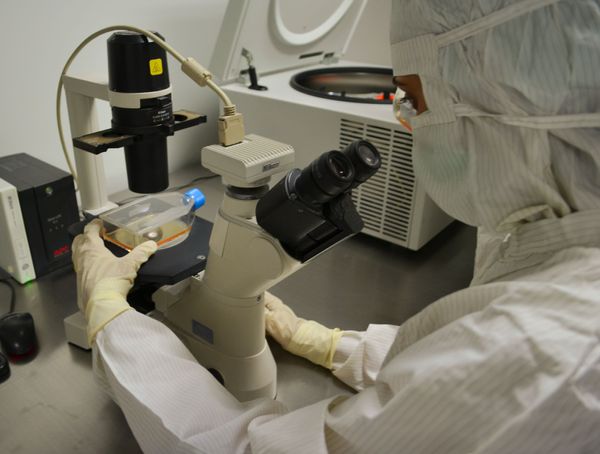
The research spans a wide range of areas, from paediatric brain tumours and sarcomas to emerging immunotherapy treatments designed to harness the body's own immune system to fight cancer.
Nationwide Children's Hospital Foundation described the partnership as a powerful collaboration. For Emi and her family, the impact of that collaboration is visible every day.
A child who once relied on the results of medical research is now helping to fund the next generation of discoveries. Her fundraising total may be measured in thousands of dollars, but its significance extends much further. Every contribution represents another investment in the possibility that future families will hear better news, receive better treatments and face a brighter future after a childhood cancer diagnosis.
For Emi, that future is already worth cycling for.