
Winter composting can feel like watching paint dry, except the paint is frozen and the “dry” part is literal. Cold slows microbes, your pile shrinks less, and kitchen scraps seem to sit there forever. The trick isn’t buying fancy accelerators—it’s feeding the biology and fixing the pile’s basic comfort needs. With the right mix of free or cheap add-ins, you can keep decomposition moving even when the weather won’t cooperate. These eight winter compost additives help your pile heat up, stay active, and break down faster without blowing your budget.
1. Coffee Grounds For A Nitrogen Nudge
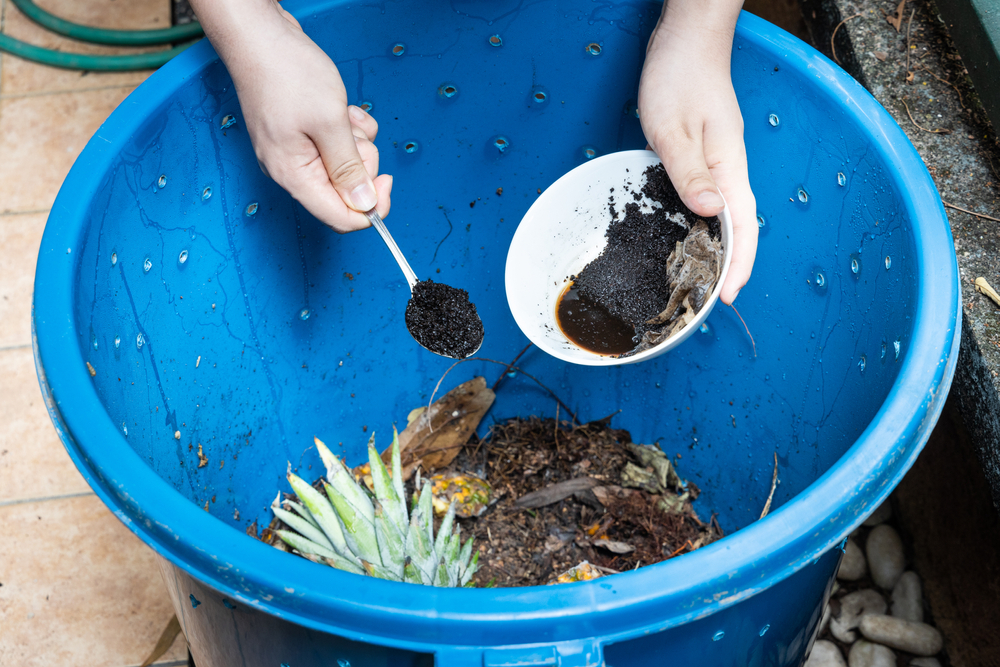
Coffee grounds add nitrogen, which helps microbes multiply and get back to work. They also mix easily through a pile, so you don’t end up with one slimy clump. Ask a local coffee shop for a bag of used grounds, or save your own in a lidded bucket. Add them in thin layers so they don’t mat and repel air. Pair grounds with dry leaves or shredded cardboard to keep the texture balanced.
2. Shredded Leaves To Trap Warmth And Air
Leaves are the classic brown material, but in winter they do an extra job by insulating the pile. Shred them with a mower or leaf shredder so they pack loosely and hold heat better. If you only have whole leaves, run them through a string trimmer in a trash can for a cheap DIY shred. A thicker leaf layer around the outside acts like a coat. The result is better airflow and a warmer core where breakdown happens.
3. A Shovel Of Finished Compost Or Garden Soil
A scoop of finished compost brings in a fresh population of microbes that can kick-start slow winter piles. If you don’t have finished compost yet, use a shovel of healthy garden soil as a “microbe starter.” This isn’t magic powder, but it helps populate new layers quickly. Sprinkle it between kitchen scraps and browns like you’re seasoning a casserole. You’ll often notice less odor and faster settling within a week or two.
4. Manure From Herbivores For Serious Heat
If you can get it safely, aged manure from chickens, rabbits, horses, or other herbivores can raise pile temperature, making them excellent winter compost additives. Use only manure you trust and avoid pet waste for health reasons. Mix manure thoroughly with browns so it doesn’t turn the pile into a soggy mess. A little goes a long way, especially in small backyard bins. This is one of the fastest ways to energize a cold pile without buying anything.
5. Crushed Eggshells For Texture And Balance
Eggshells won’t “heat” your pile, but they improve structure and help prevent compacted, slimy layers. Rinse and dry shells, then crush them into small pieces before adding. The sharp bits create tiny air spaces that help oxygen move through the pile. They also add calcium, which can support healthy compost over time. Think of eggshells as a slow, steady helper that keeps your pile from stalling.
6. Wood Ash In Small Pinches Only
Wood ash can add minerals and raise pH, which some piles benefit from during damp winter months. This is one of the winter compost additives to use sparingly because too much ash can make compost overly alkaline and harm microbial activity. Sprinkle a thin dusting, then cover it with browns so it doesn’t blow away. Avoid ash from treated wood, painted wood, or charcoal briquettes. Used carefully, it can be one of the cheapest winter compost additives you already have.
7. Warm Water Or Unsalted Cooking Water To Wake Things Up
Moisture matters in winter because cold air and wind can dry piles out faster than you expect. Pouring a little warm water through the center can help microbes stay active and prevent layers from going dormant. Unsalted pasta water or vegetable blanching water works great, as long as it isn’t oily. Add moisture slowly and mix, aiming for a wrung-out sponge feel. This is an easy boost when your pile looks dusty and refuses to shrink.
8. Shredded Cardboard For Reliable Browns All Season
Cardboard is a winter composting hero because it’s available year-round and stores easily. Shred it into strips or run it through a paper shredder if you have one. Cardboard absorbs extra moisture from kitchen scraps and keeps airflow open, which prevents stink. It also helps you stretch limited fall leaves through the whole winter. If you’re relying on winter compost additives to speed things up, cardboard is the backbone that keeps the pile workable.
The Winter Mix That Keeps Your Pile Moving
The fastest compost piles don’t rely on one secret ingredient—they rely on good layering, moisture, and air. Combine a nitrogen booster like coffee grounds or manure with plenty of shredded browns and a bit of microbe starter. Keep the pile lightly moist, and turn or fluff it whenever you add heavy, wet scraps. Add small extras like eggshells and a pinch of ash to support structure and minerals. When you build a balanced system, your winter pile stops feeling “stuck” and starts acting like compost again.
Which of these additives do you have on hand right now, and what’s the biggest winter composting problem you want to solve?
What to Read Next…
7 Things You Should Never Compost in Winter—Even If You Do in Summer
10 Foods You Can Compost in Winter Without Making a Smell
Extension Offices Are Sounding the Alarm on This Popular Compost Ingredient
Why You Shouldn’t Compost These 3 Things—Even If TikTok Says It’s Fine
7 Compost Layering Mistakes That Stop Heat Production
The post 8 Winter Compost Additives That Speed Up Breakdown appeared first on Frugal Gardening.