Among seniors with diagnosed diabetes, roughly 20.8% are using GLP-1 injectables. It is a key part of addressing their health concerns. While the weight loss medications have dominated headlines, many of the drugs have remained out of reach (financially) under Medicare rules.
That is finally starting to change thanks to Medicare’s new GLP-1 Bridge program, which launches in July 2026 and temporarily expands access to certain obesity medications for eligible beneficiaries. The new initiative is designed to serve as a transition into Medicare’s longer-term BALANCE program, helping older Americans gain access to treatments that were previously excluded from standard coverage. For retirees struggling with obesity-related health conditions like sleep apnea, heart disease, or mobility issues, this could be a major shift in both healthcare and household budgeting. Here is what you need to know about the bridge, and how it could help you access the care you need.
1. Wegovy Injection Is One of the Biggest Medicare Additions
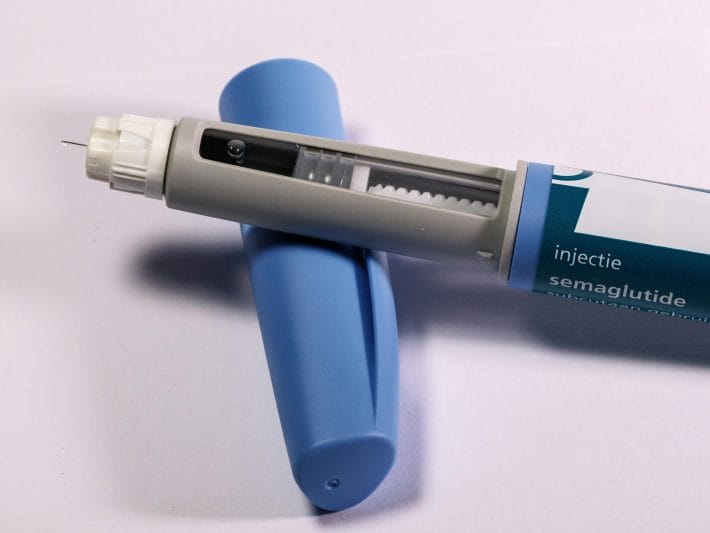
The biggest headline in the Medicare GLP-1 Bridge program is the inclusion of Wegovy injectable formulations for weight management. Wegovy contains semaglutide, the same active ingredient used in diabetes medication Ozempic, but it is specifically approved for chronic weight management.
Under the bridge program, eligible Medicare beneficiaries may pay a flat $50 monthly copay instead of facing retail prices that often exceed $1,000 per month. CMS confirmed that all Wegovy injectable formulations will qualify under the temporary demonstration beginning July 1, 2026.
2. Wegovy Tablets Are Also Included
One surprise addition to the Medicare GLP-1 Bridge is the inclusion of Wegovy tablet formulations. Many older adults struggle with injectable medications because of arthritis, tremors, or fear of needles, making oral options especially appealing.
CMS clarified that all tablet versions of Wegovy approved under the program will qualify for coverage if beneficiaries meet the eligibility requirements. This matters because oral GLP-1 medications are expected to become increasingly popular as pharmaceutical companies compete for the senior market. Easier administration may also improve medication adherence, which is a major concern for physicians managing obesity-related health conditions in older adults.
3. Zepbound KwikPen Receives Coverage Through the Bridge
Zepbound is another major medication included in the new Medicare GLP-1 Bridge program. Specifically, CMS announced that the KwikPen formulation of Zepbound will qualify for temporary coverage under the demonstration. Zepbound contains tirzepatide, which has shown impressive weight-loss results in clinical studies and has quickly become one of the most discussed obesity medications in America.
However, CMS noted that single-dose pen and vial versions of Zepbound will not be covered under the bridge initiative at this time. Seniors considering this medication should verify the exact formulation with both their doctor and pharmacy before assuming coverage applies.
4. Foundayo Is the Newest Drug Added to the Program
Many seniors may not yet recognize the name Foundayo, but it has already been added to the Medicare GLP-1 Bridge following recent FDA approval. CMS updated its official guidance in April 2026 to include Foundayo among the eligible medications covered for obesity treatment and maintenance. Because it is newer to the market, many retirees are still learning how it compares to older drugs like Wegovy and Zepbound.
Some experts believe newer GLP-1 options could eventually create more pricing competition, which may help reduce long-term costs for both patients and Medicare. For now, Foundayo represents another pathway for seniors seeking medically supervised weight management support.
5. Certain Semaglutide-Based Drugs May Qualify Indirectly
While Medicare still generally excludes weight-loss drugs from traditional Part D coverage, some semaglutide-based medications may qualify under specific medical conditions. For example, medications prescribed for cardiovascular risk reduction or diabetes treatment may still receive Part D coverage outside the bridge program. This distinction is important because many seniors mistakenly assume all GLP-1 drugs are either fully covered or fully excluded.
In reality, eligibility often depends on why the medication is prescribed and whether the patient meets CMS clinical criteria. Beneficiaries should always ask whether their prescription falls under obesity management, diabetes treatment, or another FDA-approved indication before estimating costs.
6. Tirzepatide Treatments Are Becoming More Accessible
Tirzepatide-based medications are drawing major attention because studies suggest they may produce greater average weight loss than older GLP-1 medications in some patients. Zepbound is currently the primary tirzepatide obesity drug included in the Medicare bridge, but analysts expect broader discussions around tirzepatide access in the coming years.
Obesity specialists have increasingly emphasized that these medications are not simply cosmetic treatments but tools for managing chronic metabolic disease. That distinction is helping reshape Medicare policy discussions nationwide. Seniors dealing with obesity-linked conditions like sleep apnea, hypertension, or mobility limitations may soon see expanded access as federal policy continues evolving.
7. Some Drugs Still Will Not Be Covered for Weight Loss Alone
Despite the excitement surrounding the Medicare GLP-1 Bridge, not every popular medication will qualify for obesity treatment coverage. Drugs like Ozempic and Mounjaro are generally covered only when prescribed for diabetes or other approved medical conditions rather than weight loss alone. This creates confusion because many people associate these drugs with dramatic weight-loss success stories shared online and in television commercials.
Medicare rules still prohibit broad coverage of medications used solely for cosmetic or lifestyle weight reduction under standard Part D policies. The bridge program helps narrow that gap temporarily, but seniors should not assume every GLP-1 prescription automatically qualifies.
8. The $50 Copay Could Be the Most Important Change
Perhaps the most significant aspect of the Medicare GLP-1 Bridge is the standardized $50 monthly copay for eligible participants. Prior to this initiative, many retirees faced impossible out-of-pocket costs that forced them to abandon treatment or seek compounded alternatives online. CMS says the bridge program is designed to improve access while collecting data about long-term obesity treatment outcomes in Medicare populations.
The agency also emphasized that the demonstration will run outside the normal Part D payment structure, which means traditional plan formularies will not control access during the program period. For seniors struggling with both obesity and rising healthcare expenses, the affordability component may ultimately matter more than the specific drug names themselves.
Why This Medicare Shift Could Reshape Senior Healthcare
The Medicare GLP-1 Bridge may end up becoming one of the biggest healthcare policy changes affecting retirees in years. Obesity has long contributed to costly chronic conditions, including heart disease, arthritis, diabetes, and sleep apnea, all of which heavily impact older Americans. By creating a temporary pathway for broader GLP-1 access, CMS is signaling that obesity treatment is increasingly being viewed as legitimate preventive healthcare rather than elective care. Still, beneficiaries should remember that eligibility requirements, BMI thresholds, and prior authorization rules will apply under the program.
Do you think Medicare should permanently cover GLP-1 weight-loss drugs for seniors, or should access remain limited? Share your thoughts in the comments below.
What to Read Next
Seniors Shocked by GLP-1 Prices: Does Medicare Cover Ozempic or Not?
The New “TrumpRx” Portal: How to Access GLP-1 Weight Loss Drugs for $50
5 Prescription Pricing Tricks That Could Lower Your Ozempic Cost Without Insurance