
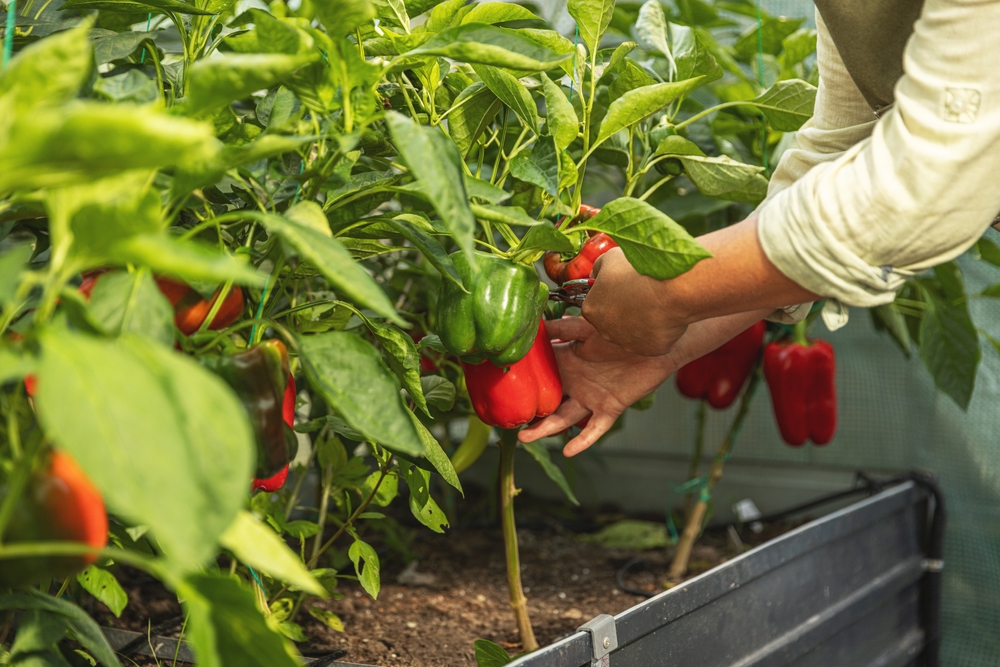
July often brings a strange mix of excitement and disappointment in the garden. Tomato vines stretch toward the sky, cucumbers seem to multiply overnight, and then suddenly a few beds start looking tired, wilted, or downright lazy. Many gardeners assume the only solution involves another trip to the garden center, but the plants already growing outside usually hold far more potential than they realize.
A productive July garden depends less on buying replacements and more on helping existing plants keep doing their job. A few smart adjustments can encourage fresh flowers, healthier leaves, and bigger harvests well into late summer. The best part? Most of these tricks require little more than a few minutes, a watering can, and a willingness to get dirt under the fingernails.
1. Harvest More Often to Encourage More Growth
Many vegetables slow down when ripe produce sits on the plant too long. Beans become tough, zucchini turn into baseball bats, and cucumbers grow large enough to qualify as small submarines. Regular harvesting signals many plants to keep producing flowers instead of shifting energy toward mature seeds.
Walking through the garden every day or two creates another hidden advantage. Small pest problems, damaged leaves, or thirsty plants become obvious before they develop into bigger headaches. That quick inspection often saves far more vegetables than any expensive product sitting on a store shelf.
2. Give Plants a Midseason Haircut
By July, herbs and leafy greens often look leggy after weeks of rapid growth. Trimming basil, parsley, oregano, and many leafy vegetables encourages fresh shoots instead of tall, woody stems. Even flowering annual herbs respond with fuller growth after careful pruning.
The trick involves removing enough growth to stimulate new branches without stripping the plant bare. Clean pruners prevent torn stems, while morning trimming allows fresh cuts to dry before evening moisture arrives. The bonus feels pretty satisfying too because those fresh clippings usually head straight into dinner instead of the compost pile.
3. Refresh Mulch Instead of Replacing Plants
Summer sun can bake garden soil into something that resembles a brick sidewalk. A fresh layer of mulch helps lock moisture into the soil while reducing temperature swings around plant roots. Straw, shredded leaves, untreated grass clippings, or compost all work well depending on what sits nearby.
Mulch also slows weed growth, which means vegetables spend more energy producing food instead of competing for water and nutrients. Just avoid piling mulch directly against plant stems because trapped moisture can invite disease. A little breathing room makes a surprisingly big difference.
4. Feed Heavy Producers With Compost
Tomatoes, peppers, squash, and cucumbers work overtime during July. Months of steady growth gradually use available nutrients, even in well-prepared beds. Instead of buying new plants, give existing ones a gentle nutritional boost with finished compost around their base.
Compost feeds the soil as much as the plants themselves. Earthworms, beneficial microbes, and other tiny helpers break organic matter into nutrients roots can absorb over time. That steady supply supports continued flowering and fruit production without the rapid flush of growth that sometimes follows heavy applications of synthetic fertilizer.
5. Remove Sick or Damaged Leaves Quickly
A few yellow leaves rarely deserve panic, but they do deserve attention. Removing damaged foliage improves air circulation and helps plants focus energy on healthy growth instead of maintaining tissue that no longer contributes much. Tomatoes especially appreciate better airflow during humid summer weather.
Gardeners should always disinfect pruning tools after trimming diseased plants to avoid spreading problems throughout the garden. Toss infected material into the trash rather than adding it to compost if disease appears severe. That small habit often prevents much larger problems later in the season.
6. Water Deeply Instead of Constantly
Daily light watering encourages shallow roots that struggle when temperatures climb. Deep watering once or twice each week encourages roots to grow farther into cooler soil where moisture lasts longer. Plants become more resilient during heat waves because they rely less on surface moisture.
Morning remains the best watering time because leaves dry quickly while roots receive plenty of moisture before afternoon heat arrives. A slow soak works far better than a quick splash across the surface. Gardens appreciate patience almost as much as they appreciate water.
7. Keep Flowers Coming by Pinching and Deadheading
Many flowering vegetables and companion plants continue blooming longer when gardeners remove spent flowers. Deadheading marigolds, zinnias, cosmos, and similar annuals encourages fresh blooms that attract pollinators throughout the season. More pollinators often lead to better fruit production nearby.
Pinching growing tips from herbs like basil delays flowering and encourages leafy growth. Once basil begins producing flowers, leaf production naturally slows. A quick pinch every week keeps the plant focused on making fragrant leaves instead of seeds.
8. Fill Empty Spaces With Succession Crops From Seed
Not every empty spot needs a new transplant from the nursery. July still offers enough growing time in many regions for quick crops such as bush beans, radishes, lettuce varieties suited for summer, baby carrots, beets, or fast-growing greens. Seeds cost very little and often produce impressive harvests before autumn arrives.
Succession planting also keeps garden beds working instead of leaving bare soil exposed to weeds and drying sun. Pulling an exhausted crop and immediately sowing another keeps the momentum going. The garden never really clocks out for summer unless someone lets it.
The Secret to a Garden That Keeps Giving
A productive July garden rarely depends on spending more money. Success usually comes from paying closer attention to the plants already growing, harvesting consistently, watering wisely, refreshing the soil, and giving vegetables exactly what they need when they need it. Those simple habits often stretch the harvest much longer than many gardeners expect.
Every garden changes week by week during summer, which makes flexibility one of the most valuable gardening skills. Small adjustments today can lead to baskets of tomatoes, peppers, beans, herbs, and cucumbers weeks later. Sometimes the biggest harvest comes from working smarter instead of shopping harder.
Which of these July garden tricks has worked best in the past, or is there another favorite tip that deserves a spot on the list? Share it in the comments.
You May Also Like…
Why Are More Gardeners Letting Seed Heads Stay on Summer Flowers?
7 Crops That Can Be Grown Under Taller Summer Plants
5 Vegetables That Can Handle a Shadier Summer Corner
Why Are Gardeners Moving Houseplants Outdoors for the Summer?
8 Spring Sun Favorites That Deliver Strong Growth
The post 8 Ways to Keep a July Garden Productive Without Buying New Plants appeared first on Frugal Gardening.