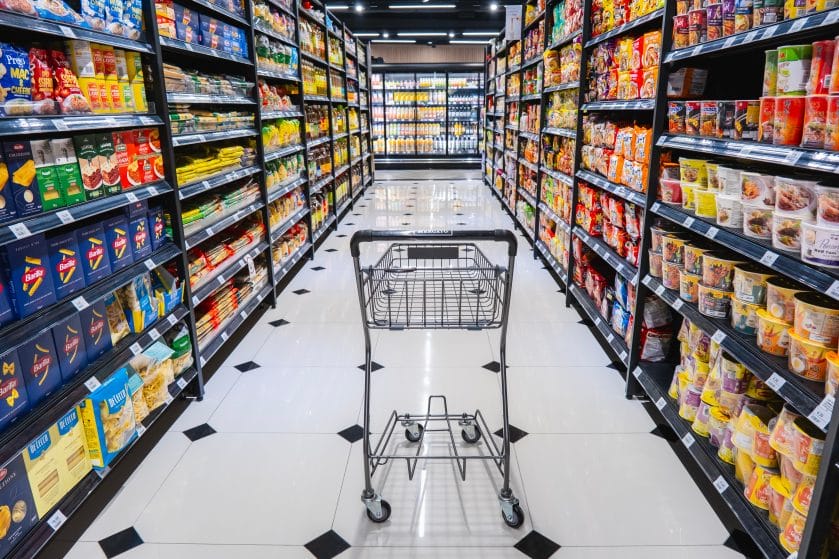
A grocery store is not merely a warehouse for food; it is a carefully constructed psychological landscape designed to maximize revenue. Every inch of the floor plan, from the lighting to the floor tiles, is engineered to manipulate consumer behavior. Store planners utilize decades of research on human tracking and eye movement to guide you toward high-margin items while obscuring the budget-friendly staples you actually came to buy. Understanding these architectural traps allows you to navigate the aisles with your wallet intact.
1. The “Right-Hand Turn” Bias
Studies show that upon entering a store, the vast majority of shoppers instinctively look and turn to the right. Retailers exploit this natural drift by placing their most profitable, perishable sections—usually the bakery or the floral department—immediately to the right of the entrance. This “power aisle” is designed to hit you with bright colors and enticing smells before you have even looked at your shopping list, encouraging impulse buys right out of the gate.
2. Eye-Level is “Buy-Level”
Brands pay slotting fees to secure shelf space at eye level because they know it is the most valuable real estate in the aisle. The items sitting directly in your line of sight are rarely the cheapest. If you tilt your head down to scan the bottom shelves, you will almost always find generic or store-brand alternatives that cost significantly less. The store counts on your physical laziness to sell the premium product.
3. The Essentials are Hidden
There is a reason milk, eggs, and meat are located at the absolute back of the store. Retailers want to force you to walk past thousands of other products to reach the necessities. This layout ensures you are get maximum exposure to temptation items. By the time you reach the dairy case, you have likely passed end-caps filled with cookies, chips, and soda, increasing the probability that something extra will fall into your cart.q
4. Sensory Priming in the Bakery
Ventilation systems will waft the scent of fresh bread or roasting chicken into the main traffic areas. These olfactory triggers stimulate hunger, which biological research confirms makes people more likely to purchase high-calorie, high-margin foods. Shopping while smelling sugar or fat shuts down the rational, budget-conscious part of the brain.
5. Slow Music Slows You Down
The background music in a grocery store is rarely fast-paced. Retailers play slower, calmer tempos to subconsciously encourage you to walk slower. The slower you walk, the more time you spend looking at items, and the more you spend. Fast music tends to make people rush, which is bad for business.
6. Agitation Zones at Checkout
The checkout lane is designed as a “gauntlet of agitation.” As you wait, boxed in by rails, you are surrounded by small, high-margin items like candy, gum, and magazines. This area exploits “decision fatigue.” After making fifty decisions in the aisles, your brain is tired, lowering your resistance to a simple chocolate bar or a drink while you wait.
7. Cross-Merchandising Pairs
Stores frequently place complementary items together to trigger an associated sale. You will find expensive salsa sitting next to the tortilla chips, or gourmet croutons hanging next to the lettuce. While convenient, the “secondary” item in these pairings is usually the most expensive brand available. The store knows you won’t walk to the condiment aisle to compare salsa prices; you will just grab the one next to the chips.
8. The Oversized Cart
Shopping carts have grown significantly larger over the last few decades. A massive, empty cart creates a subtle psychological discomfort—a feeling that you haven’t bought enough. It encourages you to fill the negative space. Using a hand basket instead of a cart physically limits what you can buy, acting as a hard brake on overspending.
Outsmart the Aisles Before They Outsmart You
Once you recognize the psychological tricks baked into every aisle, you can start shopping on your own terms. From the scent of fresh bread to the strategic placement of impulse buys, grocery stores are designed to guide your behavior—not your budget. But awareness is your best defense. By staying alert to these subtle cues and making intentional choices, you can resist the traps and stick to your list. The next time you grab a cart or turn right at the entrance, remember: the store has a plan—but now, so do you.
What to Read Next
The Trader Joe’s Parking Lot Problem: Why It’s Design is Chaotic
Grocery Retailer Announces Major Packaging Redesign for Value Brands
8 Package Designs That Make Shoppers Overpay Instantly
7 Store Layout Changes Designed to Keep You Shopping Longer
9 Store Design Tricks That Keep You Walking Longer
The post 8 Ways Grocery Stores Design Aisles to Push Shoppers Toward Expensive Items appeared first on Grocery Coupon Guide.