

A locked car doesn’t mean a safe car. That little click of the key fob feels reassuring, but it doesn’t erase opportunity, temptation, or plain bad luck. One quick glance through a window can turn an ordinary parked vehicle into a target, and it doesn’t take a high-crime area for that to happen. All it takes is something valuable—or even something that looks valuable—sitting in the wrong place at the wrong time.
Nighttime adds another layer to the equation. Darkness creates cover, quiet streets reduce attention, and routines make patterns easy to spot. A car parked overnight becomes predictable, and predictable situations invite problems. The smartest move involves treating every parked car like it sits in plain sight, because to someone looking for an easy win, it absolutely does.
1. Wallets and Cash: An Open Invitation
Leaving a wallet or cash in a car practically rolls out a welcome mat for trouble. Even a small amount of visible money can catch someone’s eye, especially under streetlights or passing headlights. Wallets carry more than just cash—they hold identification, credit cards, and access to financial accounts. Losing one doesn’t just sting in the moment; it can create a chain reaction of stress and potential fraud.
Thieves don’t need a guaranteed jackpot to take action. The mere possibility of valuables often justifies the risk for someone looking to break in quickly and move on. A wallet tucked under a seat still counts as a risk if it becomes visible from the right angle. The safest move involves taking wallets and loose cash inside every single time, no exceptions. That small habit removes one of the easiest incentives for a break-in.
2. Electronics: Bright Screens, Big Targets
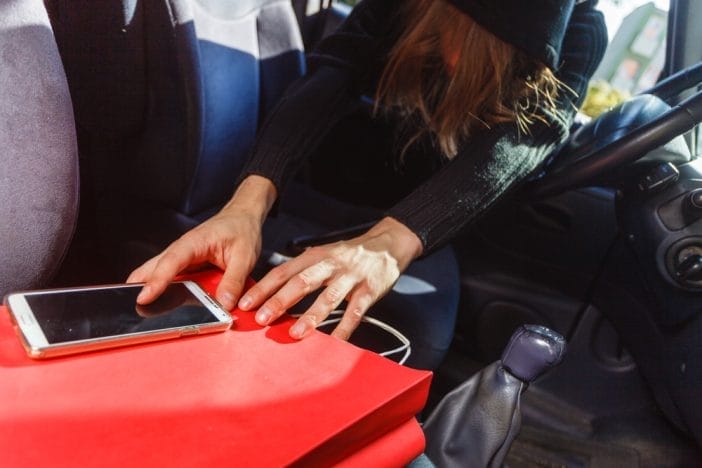
Phones, tablets, laptops, and even charging cables can turn a car into a magnet for theft. Electronics hold high resale value, and their presence often signals even more valuables nearby. A laptop bag left on a seat doesn’t just suggest a computer—it suggests something worth stealing quickly.
Even hidden electronics can create risk. Many thieves check common hiding spots like glove compartments and under seats because experience has taught them where people stash valuables. Taking electronics inside every night cuts off that risk completely. If removing them isn’t possible, locking them in the trunk before arriving at the final destination reduces visibility and temptation. Keeping tech out of sight and out of reach makes a huge difference.
3. Important Documents: Identity on the Line
Insurance papers, registration documents, and personal records might seem harmless, but they carry sensitive information. A thief doesn’t just gain access to a car—they gain access to identity details that can lead to fraud or impersonation. That risk goes far beyond replacing a broken window.
Glove compartments often become default storage for these papers, which makes them one of the first places someone checks during a break-in. Keeping only necessary documents in the car and removing anything with personal details helps reduce exposure. Storing backups at home ensures important information stays protected. Treating documents as valuable assets instead of routine clutter adds an extra layer of security.
4. Keys and Garage Openers: Access to More Than a Car
Leaving spare keys or garage door openers inside a vehicle creates a bigger problem than a stolen car. These items can grant access to a home, turning a car break-in into a much more serious security issue. A thief who connects an address from documents in the car with a garage opener suddenly has a direct path to a residence.
Keeping these items on a keychain and taking them inside eliminates that risk. If a garage opener must stay in the car, choosing a model that can be disabled remotely adds protection. Parking in well-lit areas and avoiding leaving any identifying information in the vehicle further reduces vulnerability. A simple habit shift can prevent a much larger problem.
5. Prescription Medications: Small Bottles, Big Consequences
Prescription medications might not look valuable, but they attract attention for the wrong reasons. Certain medications have resale value, and others can be misused. Leaving them in a car overnight not only risks theft but can also damage the medication itself due to temperature changes.
Heat and cold can alter effectiveness, making the medication less reliable or even unsafe. Bringing medications inside protects both personal health and security. Keeping them in a consistent, controlled environment ensures they remain effective. This small step protects more than just property—it protects well-being.
6. Bags and Backpacks: Mystery Equals Opportunity
A bag left in plain sight creates curiosity, and curiosity often leads to action. Thieves don’t need to know what’s inside—they only need to believe something valuable might be there. A gym bag, purse, or backpack can easily trigger that assumption.
Even if the bag contains nothing important, the cost of replacing a broken window and dealing with the aftermath isn’t worth the risk. Taking bags inside removes that uncertainty entirely. If leaving a bag in the car becomes unavoidable, placing it in the trunk before arriving at a destination helps reduce visibility. Out of sight truly means out of mind in this case.
7. Sunglasses and Accessories: Small Items, Easy Targets
High-end sunglasses, watches, and other accessories may seem minor compared to electronics, but they still attract attention. Many of these items carry significant resale value, and they’re easy to grab quickly. A pair of designer sunglasses on the dashboard can turn a quiet street into an opportunity.
Keeping these items out of the car overnight prevents unnecessary risk. Storing them in a bag that goes inside or taking a few extra seconds to remove them makes a difference. Small items often disappear the fastest because they require minimal effort to steal. Treating them as valuable, rather than disposable, keeps them safe.
8. Packages and Shopping Bags: The Temptation Test
A shopping bag left in a car tells a clear story—something new and potentially valuable sits inside. During holiday seasons or sales events, this becomes even more risky. Thieves often look specifically for vehicles with visible packages because they promise a quick reward.
Taking purchases inside immediately eliminates that temptation. If that’s not possible, placing items in the trunk before reaching a final destination keeps them hidden. Timing matters, and visibility plays a huge role in whether a car becomes a target. Keeping purchases out of sight protects both the items and the vehicle.
Lock It Down, Smartly and Consistently
Every item left in a car sends a signal, and some signals shout louder than others. The goal isn’t paranoia—it’s awareness and consistency. A few simple habits, repeated every night, can dramatically reduce the chances of a break-in. Taking valuables inside, keeping the interior clear, and thinking one step ahead creates a strong line of defense.
What’s one habit that has made a difference in keeping your vehicle safe, or what’s something surprising you’ve learned to never leave behind? Drop your thoughts, tips, or stories in the comments and keep the conversation going.
You May Also Like…
The Right to Repair Battle That Could Change How Cars Get Fixed
10 Everyday Behaviors That Can Increase Your Risk of Identity Theft
The Southern California Surge: Why Car Thefts Are Now “Silent” Relay Attacks
Data Breaches Keep Fueling Identity Theft and These Three Locks Add Protection
Theft-Proof or Vulnerable? 7 Clues Your Vehicle’s Already on a Criminal’s Radar
The post 8 Things You Should Never Leave in Your Car Overnight—Even in “Safe” Neighborhoods appeared first on Clever Dude Personal Finance & Money.