
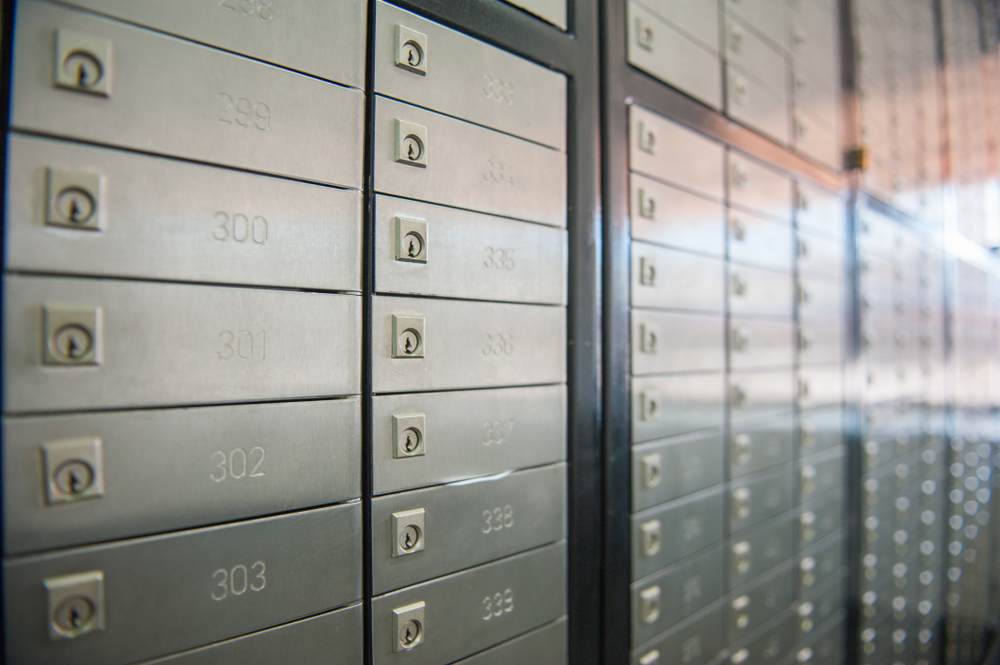
There is something mysteriously thrilling about sliding open a safe deposit box—like you’re about to stash away royal jewels or the secret formula to your grandmother’s unstoppable banana bread. But despite the Hollywood-level glamour, safe deposit boxes come with rules and risks that most people never think about. Banks provide a sturdy steel vault and a little private room to sort through your treasures, but that doesn’t mean everything belongs inside one of those metal drawers.
In fact, some items are absolutely terrible candidates for safe deposit storage, no matter how “important” they may seem. Before you lock something away for safekeeping, it’s worth knowing what could lead to chaos later.
1. Original Copies Of Estate Planning Documents
Many people assume that a safe deposit box is the perfect place for their will or power of attorney, but this creates a major headache when someone actually needs those documents. Banks often restrict access if the owner has died or is incapacitated, and that means your loved ones will have to navigate a maze of legal hurdles just to get inside the box. This can delay urgent tasks and, in some cases, cause serious financial or medical complications. Estate documents should be accessible instantly, not locked behind layers of bureaucracy. Keeping them at home in a fireproof safe or with your attorney is a far smarter plan.
2. Items You Might Need During An Emergency
Safe deposit boxes are not designed for quick access, and you can’t just waltz into the bank at midnight or during a long holiday weekend. Storing passports, medical directives, or emergency cash inside the vault means you might be stuck without them at the worst possible time. Imagine needing to catch an urgent international flight or provide life-saving medical documents, only to discover the bank is closed for three days. When timing matters, a safe deposit box becomes a frustrating obstacle instead of a solution. Anything required in a crisis should stay close, not locked in a banker’s basement.
3. Firearms Or Anything That Could Trigger Legal Trouble
Banks do not want weapons in their vaults, and neither should you. Safe deposit boxes are not designed to store firearms safely, legally, or securely from misuse. If a weapon is found during a box drill, or if law enforcement ever needs access, the situation becomes complicated in ways you definitely don’t want to experience. Many states also have laws restricting firearm placement in third-party storage outside your control. When it comes to weapons, proper home storage or a licensed facility is always the better choice.
4. Cash You Expect To Use Or Access Quickly
Contrary to what movies suggest, hiding stacks of cash in a safe deposit box is wildly impractical. Banks don’t insure cash held in boxes, and if the vault is damaged, flooded, or broken into, you could lose every dollar with no protection. Plus, if you need that money quickly, you’re stuck waiting for business hours—and that’s not ideal in emergencies or during unexpected opportunities. Cash should either be in a bank account or somewhere secure and accessible at home. Keeping it buried behind steel doors just slows you down and increases risk.
5. Anything Illegal, Questionable, Or Hard To Explain
Safe deposit boxes aren’t magical, no-questions-asked hiding spots, even though they’re often portrayed that way. Banks have policies that allow them to intervene if they suspect illegal activity, and law enforcement can gain access with the right warrants. If you wouldn’t feel comfortable explaining an item to a bank manager or police officer, it probably shouldn’t be in a vault to begin with. Storing questionable items can escalate a routine situation into a legal nightmare. A box meant for valuables should never become a hiding place for trouble.
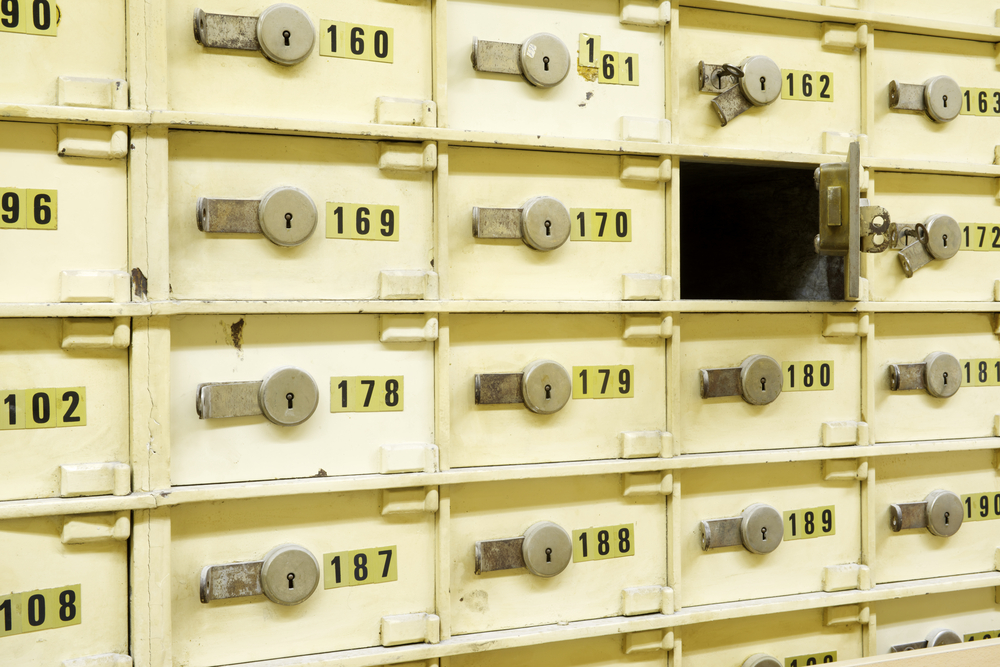
6. Uninsured Or Irreplaceable Heirlooms
While safe deposit boxes are secure, they are not invincible, and many people are shocked to learn that banks do not automatically insure the contents. Floods, fires, theft, or mishandling can—and sometimes do—damage what’s inside. If you’re putting an irreplaceable piece of family history in the box, understand that getting compensation for damage is extremely difficult. Some items are simply too precious to risk locking away with no guarantee of protection. A home safe with proper insurance often provides a better blend of access and security.
7. Spare Keys, Car Titles, And Essential Daily Items
It might sound logical to keep a spare house key or your car title someplace extra secure, but doing so can trap you in maddening situations. If you lose your primary keys and the spares are locked in the bank, you’re stuck waiting until business hours—not ideal if you’re stranded outside at night. Similarly, losing your original car title means you can’t prove ownership without a lengthy retrieval process. Everyday essentials should be kept accessible and easy to retrieve when life inevitably throws something unexpected at you. Convenience matters just as much as security.
8. Digital Devices Or Hard Drives With Critical Information
Putting a laptop, phone, or external hard drive in a safe deposit box might seem like a clever way to protect sensitive data, but it introduces serious problems. Electronics can degrade in storage, especially in environments not optimized for temperature or humidity control. More importantly, if you forget a password, need urgent work files, or require access to two-factor authentication apps, you’ll be locked out until the bank opens. In a world where digital access is everything, storing crucial tech behind bank hours is a recipe for frustration. Keep digital backups secure but reachable, not locked behind a schedule.
Be Smart About What You Lock Away
Safe deposit boxes can be incredibly useful, but only if you understand what belongs inside—and what definitely doesn’t. Some items become less safe when stored behind restricted access, and others lose protection entirely when placed in an uninsured vault. Knowing what to avoid can save you stress, money, and time when life throws you a curveball. So be thoughtful about what you store, and make sure it supports your real-life needs rather than complicating them.
Have you ever made a safe deposit box mistake? Give us your stories, surprises, or lessons learned in the comments.
You May Also Like…
How “The Bank of Mom and Dad” Is Secretly Draining Your Retirement Fund
5 Outrageous Fees Hidden in Everyday Banking Services
7 Deposit Slip Inconsistencies That Cause Tax Trouble
5 Things You Should Do If You Get A Random Zelle Deposit
6 Data-Scraping Features in Online Banking
The post 8 Things You Should Never, Ever Put in a Bank Safe Deposit Box appeared first on The Free Financial Advisor.