
Trash day feels harmless. You clean, you toss, you roll the bin to the curb, and life moves on. Except sometimes it doesn’t. Mixed into those garbage bags are items that laws across many states and countries say should never head to the landfill. Not because lawmakers are bored, but because these objects leak toxins, spark fires, or cause long-term environmental damage.
What makes it wild is how ordinary they seem. These aren’t secret industrial chemicals—they’re sitting in your kitchen drawer, garage, or bathroom cabinet right now.
1. Used Batteries
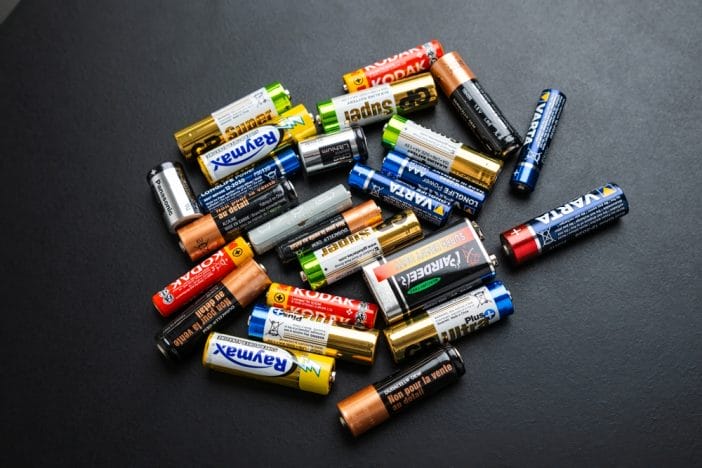
Used batteries look innocent, but they’re tiny chemical power plants with a serious dark side. Many contain lithium, lead, or cadmium, all of which can leak into soil and groundwater when crushed in landfills.
Lithium-ion batteries are especially risky because they can spark fires in garbage trucks and waste facilities, which has become a growing problem nationwide. That’s why many regions legally require batteries to be recycled or dropped at designated collection points. Tossing them in the trash is still common, but it’s a quiet hazard hiding in plain sight.
2. Old Electronics
Phones, laptops, TVs, and even broken headphones often fall under electronic waste laws. These devices contain heavy metals like mercury and lead, along with valuable materials that are meant to be recovered, not buried. Many states ban electronics from regular trash entirely, while others restrict landfill disposal. The irony is that people often throw them away simply because recycling feels inconvenient. Yet improper disposal can contaminate landfills and expose workers to toxic dust and fumes during crushing and sorting.
3. Leftover Paint
That half-full can of wall paint in the garage might feel disposable, but it’s frequently illegal to trash liquid paint. Oil-based paints are classified as hazardous waste in many places due to their solvents and flammable properties. Even latex paint, once thought harmless, can cause environmental problems when dumped improperly. Regulations usually require drying, special drop-off, or hazardous waste collection. The reason is simple: paint chemicals don’t break down cleanly and can leach into water systems long after the trash is gone.
4. Motor Oil And Automotive Fluids
Used motor oil doesn’t just disappear—it sticks around and pollutes. Just one gallon can contaminate a massive amount of freshwater, which is why dumping it in the trash or down a drain is often illegal. Antifreeze, brake fluid, and transmission fluid carry similar risks and legal restrictions. Many auto shops accept used fluids for recycling, but people still toss containers without thinking. The laws exist because these liquids are persistent, toxic, and surprisingly mobile once they enter the environment.
5. Medications
Expired or unused medications create legal and safety issues when thrown away casually. Certain drugs are classified as controlled substances, and improper disposal can violate regulations or create opportunities for misuse.
Even non-controlled medications can contaminate water systems if crushed in landfills. That’s why many jurisdictions require drug take-back programs or specific disposal methods. Flushing them is also discouraged or restricted. The rules are designed to protect both public health and the environment, not just to complicate your medicine cabinet cleanup.
6. Propane Tanks And Aerosol Cans
Empty doesn’t always mean safe. Propane tanks and aerosol cans can still contain pressurized gas, which makes them dangerous inside garbage trucks and compactors. Explosions and fires caused by these items are well-documented, leading many local governments to ban them from regular trash. Some aerosol cans are recyclable if completely empty, but others require special handling. Tossing them incorrectly puts sanitation workers at risk and can damage equipment, which is why disposal rules are often strict.
7. Tires
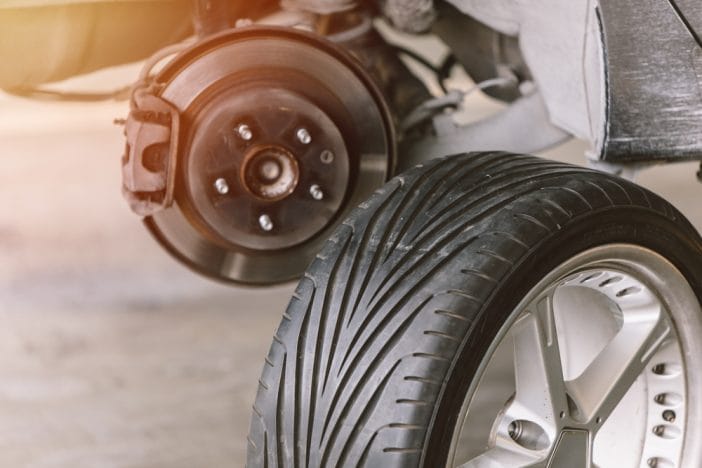
Tires are bulky, don’t decompose, and cause serious problems when dumped in landfills. Many places outright ban them from regular trash disposal. They trap gases, float to the surface, and become breeding grounds for mosquitoes when improperly stored.
Tire piles are also notorious fire hazards that burn for days and release toxic smoke. Because of this, laws typically require tires to be recycled or returned to retailers. Still, illegal tire dumping remains a stubborn issue.
8. Fluorescent Light Bulbs
Fluorescent bulbs and some compact LEDs contain small amounts of mercury, which is enough to trigger hazardous waste regulations. When crushed in landfills, mercury vapor can escape and contaminate air and soil. Many regions legally require special recycling or drop-off for these bulbs. People often throw them away because the danger isn’t obvious. The glass looks fragile, not toxic, but the environmental impact can linger long after the bulb has burned out.
What’s Really In Your Trash Can?
Most people don’t break disposal laws on purpose. It usually happens because the rules aren’t visible until something goes wrong. Once you know which everyday items are regulated, trash starts to look less simple and more like a responsibility. Paying attention protects sanitation workers, waterways, and your own peace of mind.
How about you? Have you ever been surprised by something you weren’t allowed to throw away, or learned the hard way? The comments section below is waiting for your stories and thoughts.
You May Also Like…
10 Creepy Things Strangers Learn From Men’s Trash
10 “Trash” Items Americans Throw Away That Could Be Worth a Fortune
State Troopers: The Way Men Transport Ammo in Their Trucks Is Quietly Violating Multiple Carry Laws
This Common Tool Use Can Violate Local Laws in Certain States
Home Inspectors Say This Popular Smart Home Device Is Now Classified as an Illegal Installation
The post 8 Things You Can’t Legally Throw in the Trash—But Most People Still Do appeared first on Clever Dude Personal Finance & Money.