Walking into your home should feel like a breath of fresh air, but lately, you might be feeling a strange heaviness in your chest. You assume it is just the typical winter cold or seasonal allergies that never quite go away. It is not your fault that you are feeling sluggish and congested; the hidden system of your home’s air quality might be working against you. Winter creates the perfect conditions for mold to grow in places you never look, like behind the drywall or inside the HVAC vents. Honestly, your house might be making you sick while you sleep. Let us expose the eight subtle signs that your home is hiding a mold problem that needs your attention right now.
1. The Persistent Winter Cold That Never Clears
If you have had a stuffy nose and sinus pressure for months, it might not be a virus at all. Mold spores are microscopic irritants that trigger a constant inflammatory response in your respiratory system. You might notice that your symptoms improve significantly when you spend a few hours away from the house. This is a major red flag that the air you are breathing at home is contaminated. The Centers for Disease Control and Prevention confirms that mold exposure commonly causes these chronic flu-like symptoms.
2. Unexplained Brain Fog and Fatigue
Do you feel like you are walking through a mental haze even after a full night’s sleep? Mold exposure can trigger systemic inflammation that affects your neurological function and energy levels. Many homeowners mistake this for seasonal affective disorder or the winter blues. In reality, your body is working overtime to filter out the toxins produced by mold growth. When mental clarity returns after a weekend away, you have your answer. Validating your fatigue as a physical response to your environment is the first step toward fixing the problem.
3. Bubbling Paint and Warped Baseboards
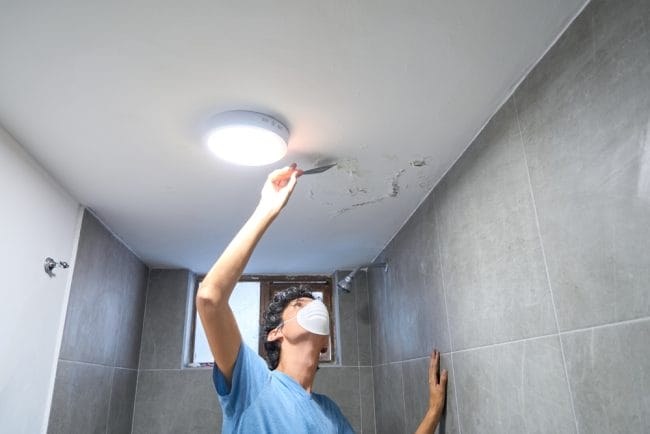
Mold needs moisture to thrive, and it often hides behind the very surfaces intended to protect your home. If you see paint bubbling or baseboards that look slightly swollen, there is likely water trapped behind the wall. This hidden moisture is the primary fuel for a mold colony that can grow out of sight for years. Surprisingly, even a tiny leak from a window or a pipe can create enough dampness for a major issue. On the other hand, the damage often looks purely cosmetic until you peel back the surface.
4. Musty Odors That Survive Cleaning
You can scrub your floors and light every candle in the house, but a musty, earthy smell always lingers. This odor is caused by microbial volatile organic compounds released by mold as it grows. If you only smell it in specific rooms or when the furnace turns on, you have narrowed down the source. The smell is often the only warning sign you get before the mold becomes a structural problem. Honestly, if your nose is telling you something is wrong, it usually is. Trust your senses over your air fresheners.
5. Frequent Headaches and Brow Aches
Many people report a dull, nagging headache that specifically flares up when they spend long periods indoors. This is often a reaction to the poor air quality caused by a hidden mold problem in the attic or crawlspace. Winter heating systems continuously recirculate these spores, ensuring you are constantly exposed. You might think it is just eye strain from your devices, but the timing is the key. If the headache vanishes after an hour in the fresh air, your home is the likely culprit. You can read more about detecting hidden mold here.
6. Worsening Asthma or Night Coughing
If your child is coughing more at night or your inhaler isn’t working like it used to, check the bedroom walls. Mold spores are a powerful trigger for reactive airway disease and asthma flare-ups during the winter. Because we keep windows closed to save on heat, the concentration of these spores reaches dangerous levels. A telling sign is a cough that intensifies as soon as the furnace cycles on and moves the air. This is a serious health risk that requires immediate intervention to protect your family’s breathing. Your home should be a sanctuary, not a trigger.
7. Condensation on Windows and Cold Surfaces
Visible water on your window glass is a sign that your indoor humidity is far too high for the winter months. This excess moisture doesn’t just stay on the glass; it settles into your curtains, rugs, and drywall. High humidity is the hidden system that allows mold to take root in every corner of your home. You should aim for an indoor humidity level between 30 and 50 percent to keep your air safe. If you see frost or fogging on your windows every morning, your home is at high risk for a mold outbreak. Investing in a simple hygrometer can save you thousands in future remediation costs.
8. Allergic-Type Irritation to Skin and Eyes
Itchy eyes and dry, irritated skin are often attributed to the dry winter air, but mold could be the real reason. Mold spores act as a topical irritant that can cause redness and discomfort even in people without known allergies. If your skin clears up during a vacation but flares back up at home, you have an environmental trigger. The American Academy of Allergy, Asthma & Immunology confirms that these reactions are common responses to indoor contaminants. You are not just dealing with the season; you are dealing with an intruder. You can find more info on mold symptoms here.
Reclaiming Your Health and Your Home
Dealing with mold is an empowering process once you stop treating the symptoms and start addressing the source. You have the power to protect your family’s health by identifying these signs early and taking action. Whether it is improving your home’s ventilation or fixing a hidden leak, every step toward cleaner air is a victory. Do not let the silent thief of air quality steal your energy and your health this winter. You deserve a home that supports your well-being, not one that works against it. Stay vigilant, trust your instincts, and breathe easier knowing you have the facts. Your family’s health is your most valuable asset.
Have you noticed any of these strange symptoms in your home this winter? Leave a comment below and tell us what you found!
What to Read Next…
- DIY Retirement Budget Checker: Frequently Googled Mistakes to Avoid
- The Hidden Home Hazard: Why This Popular 6-Drawer Dresser was Just Recalled
- 8 Household Items That Are Secretly Making You Tired (The Toxic Home List)
The post 8 Signs Your Home has a Hidden Mold Problem This Winter appeared first on Budget and the Bees.