We often believe that shopping is a purely rational exercise, a logical journey to fulfill needs. In reality, the grocery store is designed to hijack your emotions. Retailers spend billions on architectural and psychological design to trigger specific feelings at specific points in your journey. By appealing directly to your subconscious desires, anxieties, and sense of identity, stores encourage you to buy products you never intended to purchase. They know that an emotional purchase is almost always a profitable purchase.

1. Nostalgia
This is one of the most powerful emotional levers. Stores use older, familiar music, place retro-branded items prominently, and use lighting that evokes the warmth of childhood kitchens. This appeals to your fond memories of the past. When you feel a comforting sense of familiarity, your guard drops, and you are more likely to spend money on classic, name-brand comfort foods that you associate with those happy times.
2. Fear of Missing Out
This emotion is a primary driver of impulse sales. Retailers trigger it using techniques like “Limited Edition” products, seasonal packaging, and digital signs that display “Only 5 Left!” This creates a false sense of scarcity and urgency. You stop thinking about whether you need the item and start focusing on the potential pain of missing the opportunity. This fear short-circuits rational calculation, leading to immediate purchases.
3. Greed for Deals
The thrill of getting a bargain is a powerful emotional reward, easy to exploit. Stores use phantom discounts and “Buy One, Get One” offers to trigger a rush of satisfaction. Shoppers often focus entirely on the perceived savings percentage and ignore the actual base price or whether they can realistically use both items. The feeling of winning is so satisfying that it becomes addictive, leading shoppers to seek out deals even if the total spend is higher.
4. Guilt
Retailers understand the psychology of the “long trip.” After a stressful, long, and frugal shopping trip, customers feel a sense of guilt—guilt toward a family member for being gone so long, or for themselves for resisting every treat. Stores exploit this by placing small, high-margin, visually appealing items like premium chocolates, flowers, or gift cards near the checkout. This placement encourages a final, small “reparative” purchase.
5. Belonging
This emotion is often triggered through curated product selections. By highlighting items associated with high status or current trends—such as a specific imported cheese or a unique, viral cooking ingredient—the store validates the shopper’s sense of identity. Choosing the right item becomes a matter of reinforcing the shopper’s self-image as a knowledgeable foodie or a cultured consumer, encouraging them to buy products that signal their status to the outside world.
6. Boredom
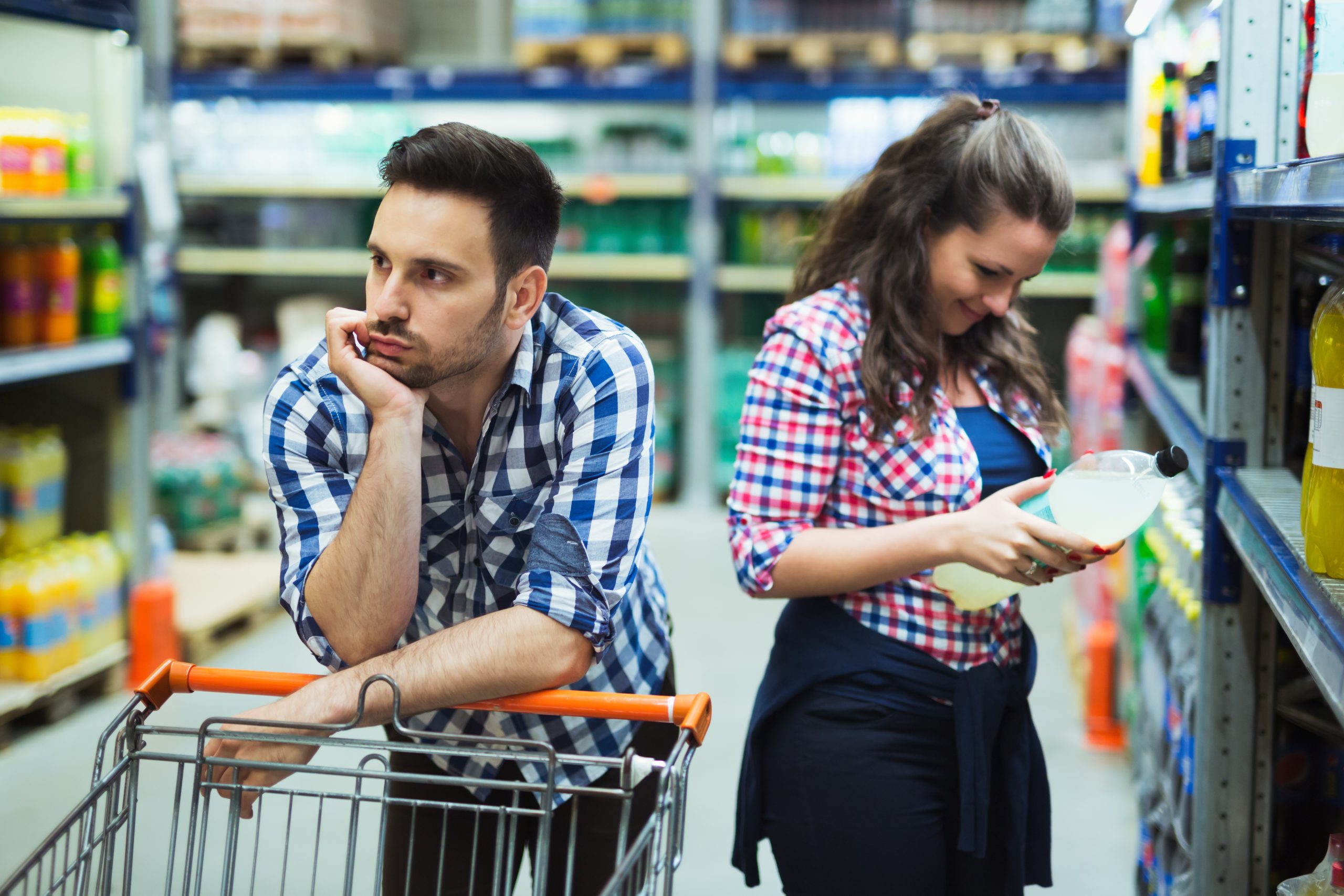
The feeling of boredom, particularly while waiting in line, is a prime target for retail exploitation. The checkout lane is meticulously designed as the final “impulse gauntlet.” Because you are temporarily idle and fatigued from decision-making, stores fill the area with low-cost, high-margin items like candy, gum, magazines, and single-serving sodas. These small purchases provide instant gratification to relieve the temporary monotony of waiting.
7. Urgency
This emotion is triggered by time-based promotions designed to bypass careful consideration. Examples include “Flash Sales,” “One Day Only” signs, or digital displays with countdown clocks. This tactic forces shoppers to make an immediate decision, leaving no time to check a price comparison app or review a budget. The pressure of the deadline is often more compelling than the product itself.
8. Pride
Retailers appeal to a customer’s sense of pride by framing a purchase as a display of intelligence. Stores tell the shopper, “You are smart enough to know that the generic version is the same as the name brand.” This appeal to the shopper’s pride validates their savvy decision-making, strengthening their loyalty and making them feel good about the cheaper purchase.
Controlling the Emotional Cart
Every section of the store has a different emotional script. By understanding these targeted feelings, you can recognize when you are making an emotional purchase versus a rational one. Controlling your emotions is the first and most critical step in controlling your grocery budget.
What to Read Next
- How Grocery Stores Use End-Of-Aisle Displays to Trick You Into Extra Purchases
- 10 Store Aisles That Cause the Most Buyer’s Remorse
- 7 Shopping Cart Habits That Reveal How You Handle Money
- 13 Store Checkout Lines That Steal Extra Cash
- The Grocery Item That Makes Cashiers Think You’re in Trouble
The post 8 Shopper Emotions That Retailers Love to Exploit appeared first on Grocery Coupon Guide.