
When you don’t have kids, your home often feels like a sanctuary of freedom—less clutter, fewer schedules, and more control over your space. But that same sense of independence can create blind spots when it comes to safety and preparedness. Many couples assume security risks only apply to families with children or busy households, but that’s not true. From cyber vulnerabilities to home safety oversights, small gaps in awareness can lead to big consequences. Building better security habits now can protect your peace of mind before an unexpected event catches you off guard.
1. Forgetting to Lock Up Smart Devices
Smart homes are convenient, but they also bring new risks when it comes to security habits. Many couples install smart cameras, thermostats, and lights but forget to update passwords or enable two-factor authentication. Hackers often target unsecured systems, gaining access to personal data or even live camera feeds. The fix is simple but often overlooked—change default passwords immediately and update them regularly. Taking ten minutes to strengthen your smart home network can prevent serious privacy issues later.
2. Ignoring Backup Plans for Power or Internet Outages
Child-free households often depend heavily on technology for communication, entertainment, and even home access. When the power or internet goes out, many realize too late that they don’t have a backup plan. Without a generator, extra chargers, or a non-digital way to enter your home, a minor outage can quickly turn stressful. Building simple redundancies—like storing a physical key, keeping candles, or buying a battery pack—goes a long way. These small but effective security habits keep you prepared for the unexpected.
3. Leaving Vacation Plans Too Public
Couples without kids tend to travel frequently and share their adventures online. Unfortunately, that openness can invite risks. Public posts about travel dates or location tags tell strangers when your home is empty. It’s smarter to wait until you’re back to share photos or updates. Practicing discretion with your online presence is one of the most effective security habits for protecting your property while you’re away.
4. Underestimating the Value of Home Inventories
Without children or large families, many couples underestimate how much value their possessions actually hold. But electronics, art, jewelry, and furniture add up quickly in cost. If a fire or burglary occurs, lack of a home inventory can make insurance claims stressful and incomplete. Taking photos of valuables and keeping digital copies of receipts ensures you’re properly covered. This small organizational task could save thousands of dollars in an emergency.
5. Failing to Secure Deliveries and Mail
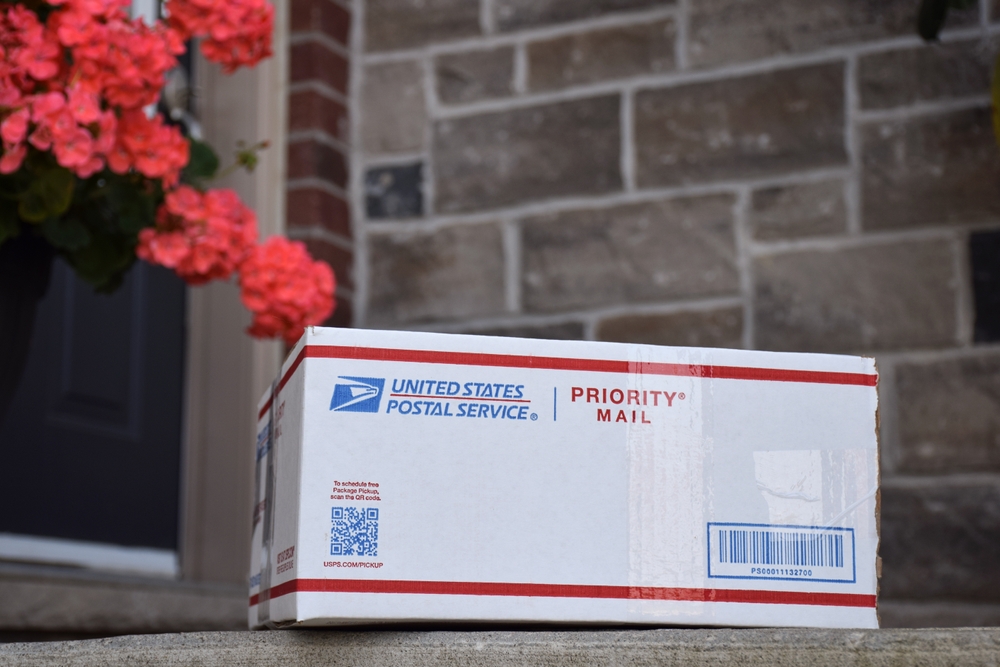
Online shopping has become a convenience staple for many dual-income couples. However, unattended packages and overflowing mailboxes are easy targets for thieves. Porch piracy is one of the fastest-growing crimes in residential neighborhoods. Consider using delivery lockers, scheduling deliveries for when you’re home, or installing a video doorbell. Making these proactive security habits part of your routine deters theft and helps protect your personal information.
6. Skipping Emergency Contact Planning
Because child-free households typically have fewer dependents, it’s easy to overlook formal emergency planning. But if something happens while traveling, at work, or during a medical emergency, who has access to your home or accounts? Creating an emergency contact list and sharing key information with a trusted friend or family member is essential. Include details like alarm codes, insurance info, and where important documents are stored. These security habits ensure someone can act on your behalf when you can’t.
7. Neglecting Routine Home Safety Checks
Many couples assume that because they live neatly and without children, their home automatically stays in good shape. Yet small oversights—like expired fire extinguishers, unchecked smoke alarms, or loose locks—can create major safety risks. Scheduling quarterly home checks helps catch issues before they escalate. It’s a simple weekend task that protects everything you’ve worked for. Consistency is key to maintaining strong, long-term security habits.
8. Forgetting About Cybersecurity for Shared Finances
Couples often share bank accounts, streaming subscriptions, and cloud storage without realizing how many personal details are linked. Using the same password across multiple accounts is one of the easiest ways to get hacked. Regularly updating passwords, using secure password managers, and reviewing account activity can protect against identity theft. Cyber threats are often invisible until damage is done, making digital vigilance one of the most crucial security habits. Protecting your financial privacy is just as important as locking your doors.
Turning Awareness Into Everyday Protection
Security isn’t about living in fear—it’s about preventing small issues from becoming costly ones. The best security habits come from awareness, not anxiety. Whether it’s updating passwords, preparing for outages, or simply locking up before a trip, consistency makes the difference. Couples without kids have the advantage of time and flexibility to create smarter routines that keep their home and data safe. By addressing vulnerabilities now, you’re investing in peace of mind that pays off every single day.
Which of these security habits do you already practice—and which ones surprised you? Share your thoughts in the comments below!
What to Read Next…
6 Investments That Feel Safe But Trap Dual-Income Couples
Your Camera Could Betray You: 10 Lesser Known Security Flaws in Smartphone Cameras
Why Regular Data Checks Are Key to Safety
Need Your Privacy: Here Are 9 Cheap Ways To Block Your Neighbor’s View
Safeguarding Investments: A Comprehensive Guide to Downside Risk Management