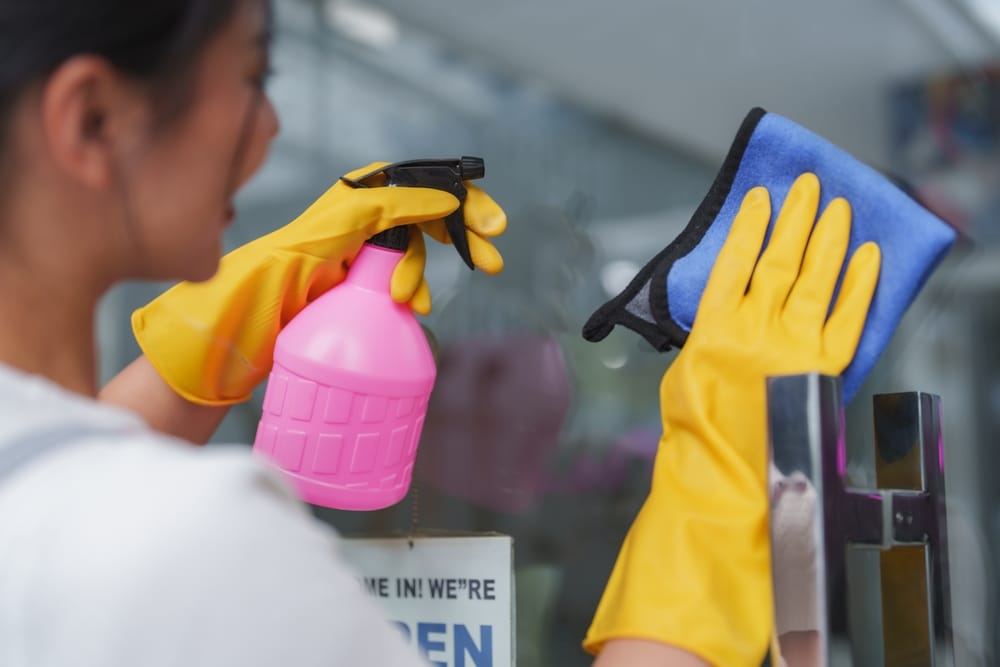
We all love the feeling of a freshly scrubbed home—it smells crisp, looks bright, and feels safe. But for many of us, especially as we get older and our lung health naturally changes, that “clean” smell might actually be doing more harm than good.
Many common household products rely on harsh chemicals that can irritate delicate lung tissue, trigger coughing, or even exacerbate chronic conditions like COPD.
The good news? You don’t need aggressive toxins to get a sparkling home. Here are the top culprits to watch out for and the safer, simpler alternatives you can swap in today.
1. Chlorine Bleach Mixed With Other Cleaners
Most of us know bleach is a powerhouse, but it is also incredibly volatile. You likely know the rule: never mix bleach with vinegar or ammonia, as it creates deadly chlorine gas. But even on its own, bleach fumes can be aggressive. They can trigger instant coughing and wheezing, and repeated exposure over time can actually scar lung tissue.
The Fix: Switch to hydrogen peroxide. It whitens and disinfects effectively without the toxic fumes.
2. Ammonia-Based Glass Cleaners
You know that sharp, stinging scent that hits you when you spray a mirror? That’s ammonia. While it guarantees a streak-free shine, it effectively burns your airways. For seniors or anyone with asthma, inhaling this mist can feel like a chemical burn and may lead to chronic bronchitis.
The Fix: Use a simple mix of vinegar and water with a microfiber cloth. You’ll get the same shine without the sting.
3. Aerosol Air Fresheners
It’s ironic: we spray these to make the air “fresher,” but we are actually filling our rooms with Volatile Organic Compounds (VOCs). These compounds linger for hours, causing respiratory inflammation as your lungs work overtime to filter them out.
The Fix: Skip the synthetic spray. Instead, simmer a pot of water with cinnamon and cloves on the stove, or simply open a window to let the air circulate.
4. Oven Cleaners with Lye
Let’s be honest: cleaning the oven is the worst chore. Standard cleaners rely on lye to dissolve that baked-on grease, but lye fumes are corrosive and can burn lung tissue. Even with a mask and open windows, it is a risky product to use.
The Fix: Make a paste of baking soda and water. Coat the oven, let it sit overnight, and scrub it away safely the next morning.
5. Carpet and Rug Shampoos
The problem with many commercial carpet cleaners is what they leave behind. Many formulas contain perchloroethylene, a known carcinogen. Because the fumes get trapped in the carpet fibers, you end up breathing them in daily—and so do your pets and grandchildren playing on the floor.
The Fix: Stick to steam cleaning with water only, or look for certified plant-based shampoos.
6. Furniture Polish Sprays
While you are trying to nourish your wood tables, aerosol polishes are often misting nitrobenzene and phenol into the air. These chemicals are easily inhaled and can irritate the throat and lungs long after you’ve finished dusting.
The Fix: A mixture of olive oil and lemon juice creates a natural polish that nourishes wood and smells fresh.
7. Toilet Bowl Cleaners with Hydrochloric Acid
These are heavy hitters designed to dissolve rust and stains, but the active ingredient is often hydrochloric acid. In a small, enclosed space like a bathroom, these fumes can accumulate quickly, burning the nose and causing coughing fits.
The Fix: Use vinegar and baking soda to fizz away stains, and use a pumice stone for stubborn rings.
8. Dry Cleaning Chemicals
Dry cleaned clothes may look sharp, but they are often soaked in chemicals that “off-gas” once you bring them inside. If you hang them in your closet immediately, those chemicals affect your indoor air quality while you sleep.
The Fix: Take the plastic bags off immediately and let the clothes air out in a garage or on a porch before bringing them inside. Better yet, seek out a “wet cleaning” service that uses non-toxic methods.
Breathe Easier
Your home is your sanctuary, not a chemistry lab. You shouldn’t have to cough your way to a clean kitchen. By swapping out these harsh chemicals for simple ingredients like vinegar, soap, and baking soda, you can protect your lungs and enjoy a truly healthy home.
Do you have a favorite natural cleaning recipe? Share it in the comments below!
What to Read Next…
- 10 Cleaning Products That Quietly Harm Your Lungs
- Hidden Household Hazards: 8 Common Illness Triggers and Affordable Fixes
- 6 Household Items Criminals Use To Spy on Victims
- 10 Dirty Secrets About Hotel Rooms a Housekeeper Will Never Tell You
- 10 Outdated Household Items That Can Void Your Home Insurance
The post 8 Household Cleaning Products Linked to Lung Issues in Older Adults appeared first on Budget and the Bees.