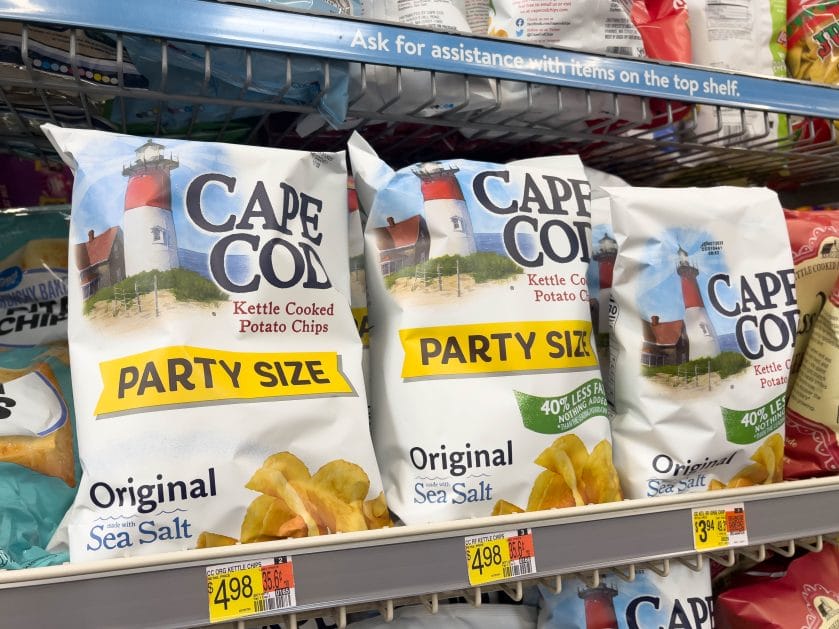
Shrinkflation—the practice of downsizing a product while keeping the price the same—has evolved from a subtle trick into a standard industry operating procedure. In 2026, manufacturers are no longer just shaving off a few grams; they are fundamentally altering the utility of staple products. This stealth inflation is particularly damaging because it is difficult to track without a photographic memory of previous net weights. While almost every aisle has been touched, these eight specific staples are currently undergoing the most aggressive downsizing, effectively raising your cost of living without you noticing at the register.
1. Toilet Paper and Paper Towels
The paper aisle is the capital of shrinkflation math. Manufacturers confuse consumers with terms like “mega rolls,” “super mega rolls,” and “double rolls.” Amidst this confusing nomenclature, the actual square footage of the product is plummeting. The cardboard tubes are becoming wider in diameter, creating the visual illusion of a full roll while the sheet count drops. A “roll” that used to last a week now lasts four days, forcing you to buy the bulk pack more frequently.
2. Family Size Chips
The “Family Size” bag of potato chips has become a tragic misnomer. A bag that used to contain 16 ounces drifted down to 14, then 12.5, and is now hovering around 10 ounces in many brands. The bag itself remains the same physical size, pumped full of nitrogen gas to look plump on the shelf. You are essentially paying for air and plastic, with a handful of chips at the bottom that barely serve two people, let alone a family.
3. Ice Cream Cartons
For decades, a standard carton of ice cream was a half-gallon (64 ounces). That standard has been completely eroded. The “standard” brick is now 48 ounces (1.5 quarts), and premium brands have shrunk even further to 14 ounces for a “pint.” The visual shape of the container has been tapered at the bottom to hide the volume loss. You are paying the old half-gallon price for a container that is missing nearly 25% of the product.
4. Dish Soap
Dish soap bottles are undergoing a redesign to look sleek and ergonomic, but the primary purpose of the curves and indentations is to reduce volume. A bottle that looks identical in height to the old version is often thinner, holding 19 ounces instead of 24. Furthermore, some brands are diluting the formula, meaning you have to use more soap to get the same grease-fighting power, accelerating the rate at which you finish the bottle.
5. Yogurt Multipacks
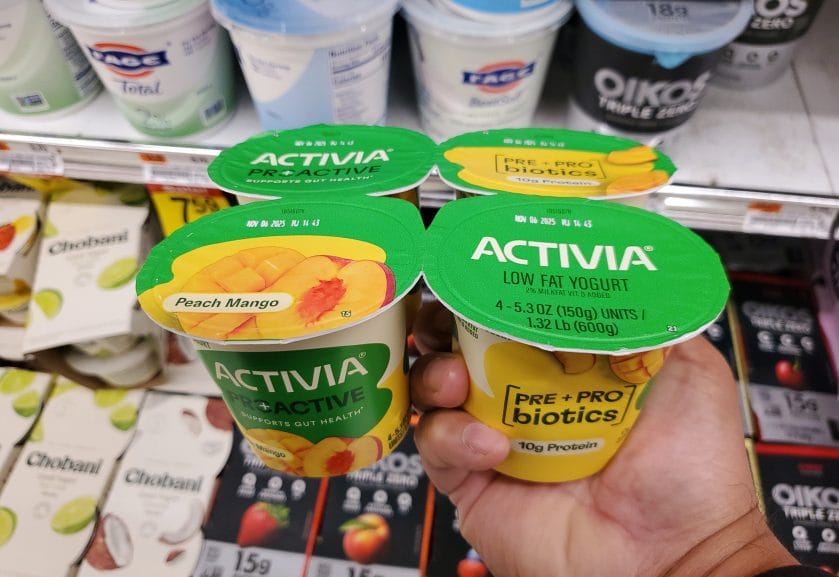
The standard single-serve yogurt cup was once 8 ounces. It shrank to 6 ounces, and the new industry standard is rapidly becoming 5.3 ounces. When you buy a four-pack or a twelve-pack, this reduction adds up significantly. A twelve-pack of 5.3-ounce cups contains nearly 8 ounces less yogurt than a twelve-pack of 6-ounce cups. You have effectively lost more than one entire cup of yogurt from the box, even though the price and box size remain unchanged.
6. Boxed Cereal
Cereal boxes have undergone a “skinny” transformation. The front of the box remains the same width and height to maintain “shelf presence” (billboard effect), but the depth of the box has narrowed dramatically. The bag inside is often not even filled to the top. This “depth reduction” is hard to spot unless you turn the box sideways. The net weight tells the true story, with family sizes dropping from 24 ounces to 18 ounces in some categories.
7. Chocolate Bars
Candy manufacturers are notorious for shaving weight. Standard candy bars are becoming lighter, and “share size” bags are containing fewer pieces. The dimples on the bottom of chocolate bars are getting deeper, and the shape is being rounded off to remove corners. These micro-adjustments save the manufacturer millions in cocoa butter costs while you pay the same price for a less satisfying treat.
8. Pet Food
Even our furry companions are not immune. Cans of wet cat and dog food that were standard 5.5 ounces are appearing in 5.0 or 4.8-ounce variations. Dry food bags that were 40 pounds are now 34 or 30 pounds. This forces pet owners to buy bags more frequently, disrupting monthly budgets and feeding schedules.
The New Metric of Value
The battle against shrinkflation requires a fundamental shift in how you measure value, moving your focus from the price tag to the net weight. As manufacturers continue to erode the quantity of product inside the package, the unit price becomes the only reliable metric for comparison. Vigilance regarding package sizes is now just as important as monitoring prices, ensuring that you do not unknowingly absorb a double-digit inflation rate disguised as a familiar box.
What to Read Next
9 Grocery Items That Shrink the Fastest Without Notice
Shoppers Are Catching Shrinkflation More Easily This Month
Stores Are Shrinking Loyalty Rewards, But Here Are 5 Hacks to Keep You Saving
Seafood Counters See Shrinking Variety After Winter Shipping Complications
8 Grocery Items That Quietly Changed Packaging to Hide Shrinkflation
The post 8 Grocery Staples Stores Are Shrinking Without Lowering Prices appeared first on Grocery Coupon Guide.