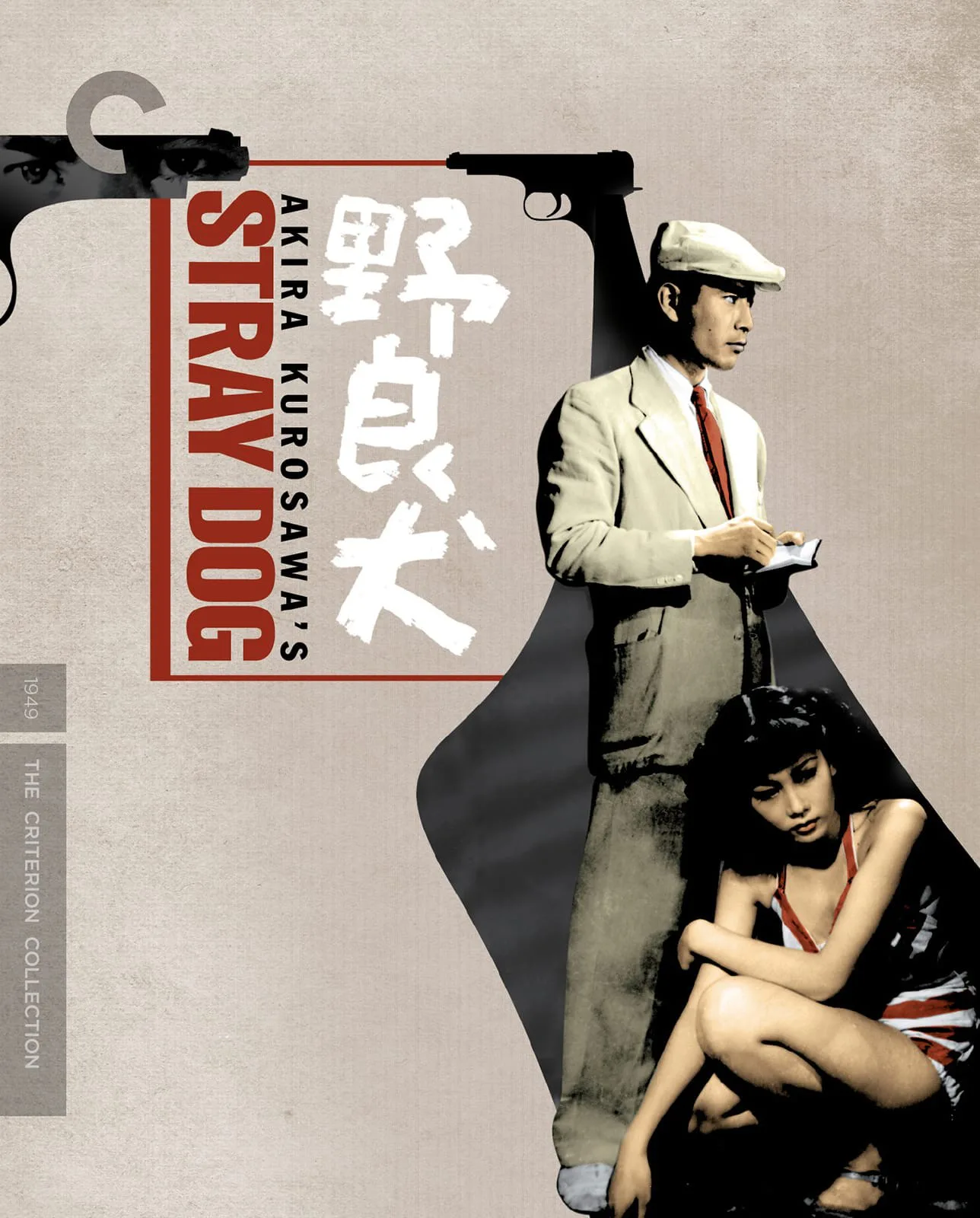
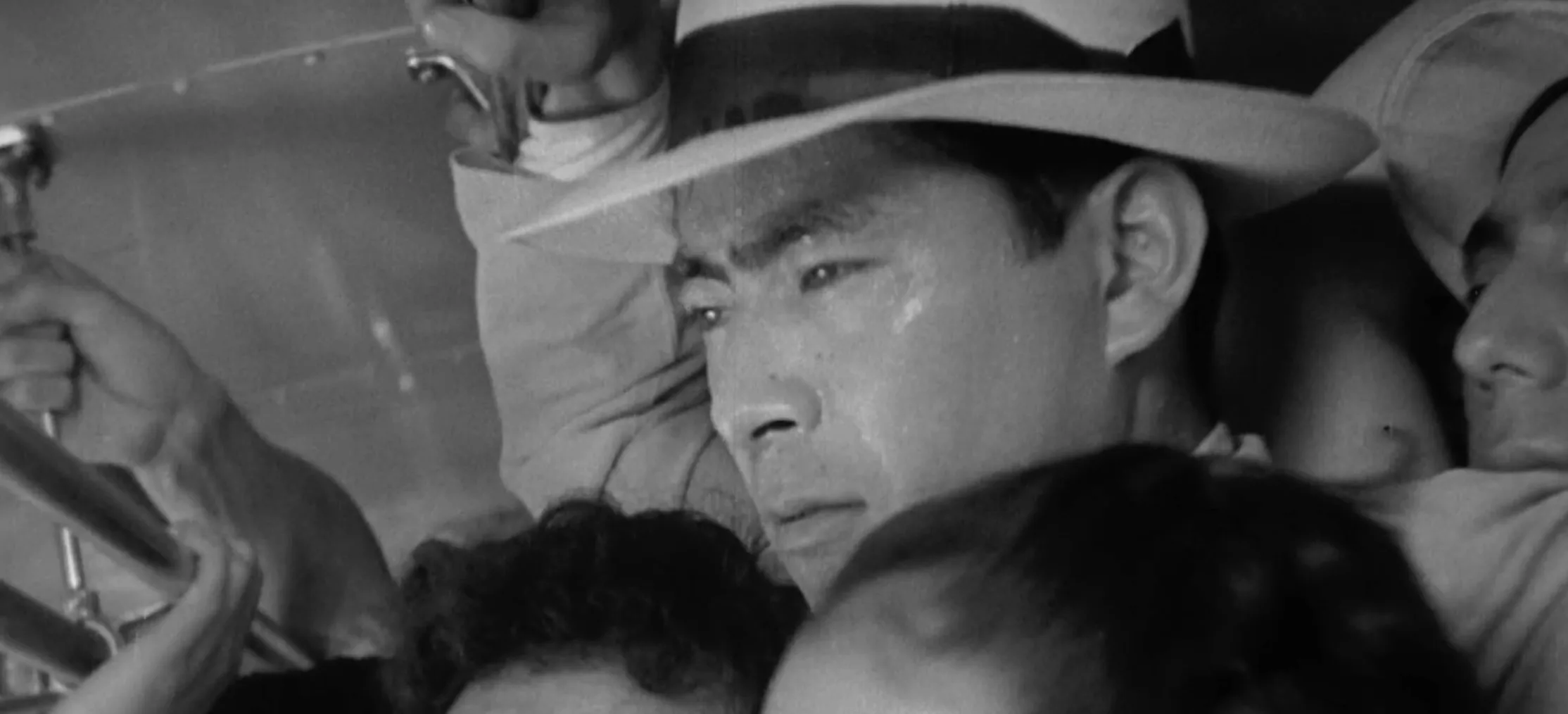
It’s a brutal day in Tokyo. Amidst the crumbling post-war city is Murakami (Toshiro Mifune), a recently-promoted homicide detective. In the overwhelming sticky heat, he’s on an overcrowded bus, the waft of stale perfume and a screaming baby creating an unbearable atmosphere. As he finally exits, he realizes his gun has been stolen. Despite chasing the assailant, Murakami comes up short, unable to get his weapon back.
For many, it would stop there. But in Akira Kurosawa’s stellar 1949 thriller Stray Dog, Murakami cannot let it go. Mortified that he’d allow himself a lapse in judgment and awareness that led to the theft of his police gun, he goes undercover into Tokyo’s seedy underbelly, infiltrating criminal networks in a manic mission to try and find the person who stole from him. Kurosawa’s film examines the caustic nature of crime; with each step Murakami takes into the criminal underground, the more questionable his own behaviour becomes. His only hope seems to be Satō (Takashi Shimura), the steady, older officer he’s been paired with on the case.
Kurosawa is widely known as one of the great filmmakers for a reason. He’s a gifted storyteller and visual artist who helped bridge the gap between Hollywood filmmaking and traditional Japanese cinema. His influences are everywhere—without Kurosawa’s The Hidden Fortress (1958), there’d be no Star Wars, and it’s hard to imagine what action cinema would have become without Seven Samurai (1954). Above all, it’s his distinct and glowing sense of humanity infused in his work that makes it so watchable. Even in high-octane action, Kurosawa is always able to get to the human motivation behind his characters, which makes movies like Stray Dog so enthralling. It’s rife with incredible character detail and evocative camerawork.
Now that Stray Dog has received a long-awaited 4K UHD release from Criterion (seriously, only poor SD transfers were available for the longest time), there’s no better opportunity than to revisit (or see for the first time, if you’re lucky enough) Kurosawa’s underappreciated stroke of genius. This is the movie that proves Kurosawa could tackle any genre and make the result utterly unique.
How was Stray Dog Received Upon Release?
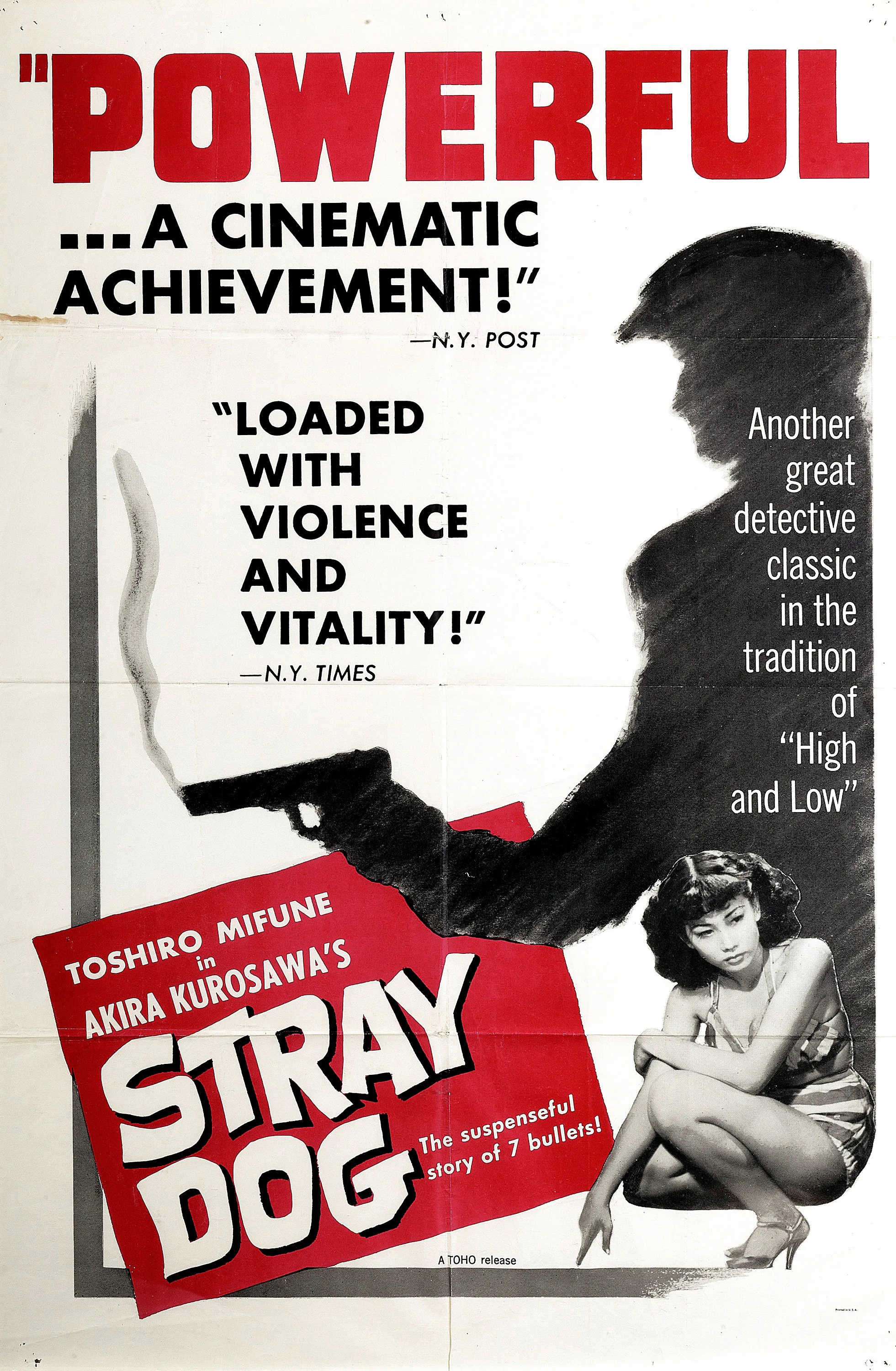
Though there aren’t many reviews of Stray Dog available from 1949, the film was very well received in Japan. Kurosawa had garnered considerable attention for 1948’s Drunken Angel, but was still a year away from his major international breakthrough in Rashomon (1950). At the Manichi Film Awards in 1950, it won awards for Best Actor (Takashi Shimura), as well as wins for cinematography, art direction, and score. Japanese magazine Kinema Junpo ranked it the third best film of the year. Decades later, Stray Dog placed tenth in the magazine’s list of the greatest Japanese films ever. It currently holds a 100% rating on Rotten Tomatoes, suggesting it’s perhaps even more beloved than it was on release.
Why Is Stray Dog Important to See Now?
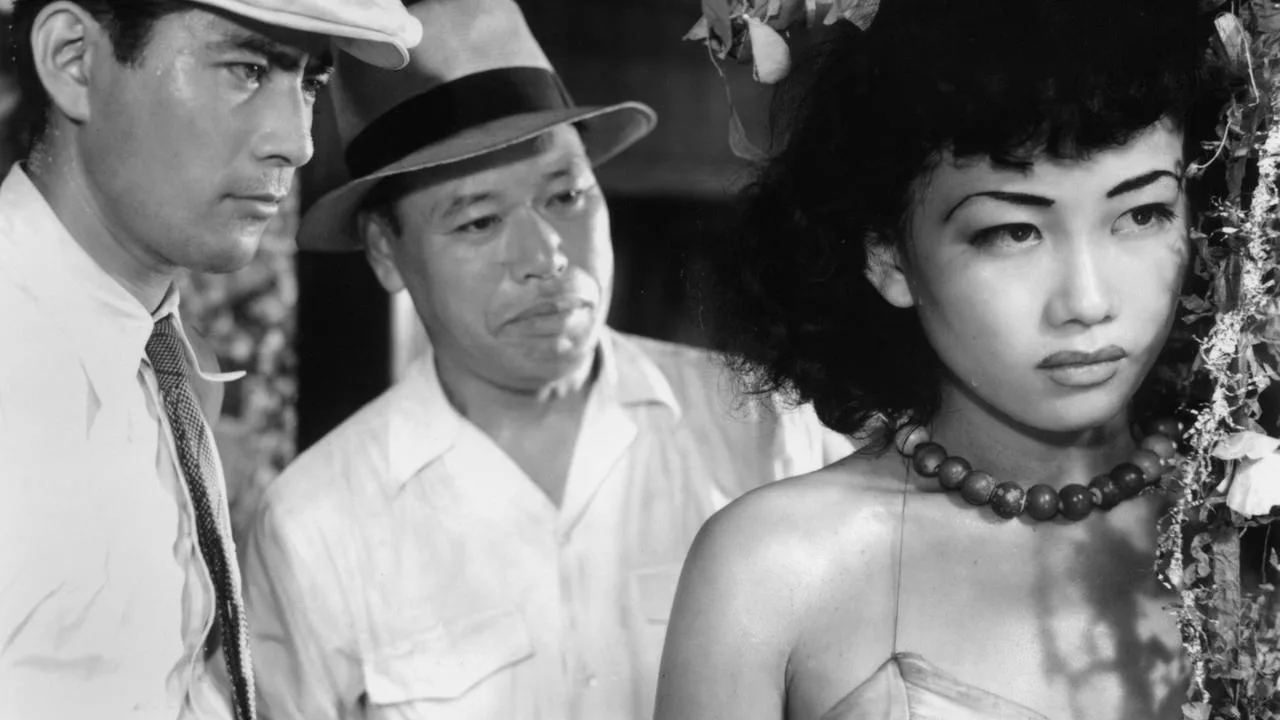
Kurosawa’s film isn’t just a dynamite thriller; it’s a vital part of film history. That’s because Stray Dog is widely considered to be the first buddy cop movie. Though movies like 48 Hrs. and Lethal Weapon in the 1980s helped popularize the subgenre, Kurosawa’s film is groundbreaking in its introduction of two very different cops working together to solve a crime. Murakami is the bright-eyed youngster who’s had his world turned upside down by the theft, wanting to do whatever it takes to recover his gun. Sato, on the other hand, is a veteran of the force, and his calm, steady approach frequently clashes with Murakami’s desperation to solve the crime. It’s a compelling back-and-forth that laid the groundwork for plenty of buddy cop classics.
Another reason beyond the fact that it’s extremely entertaining is its exploration of post-war Japan. Though it’s not specifically referenced in the film, Kurosawa’s film shows the effects of a war-ravaged nation, and the pervasive heat it so effectively communicates (seriously, this is one seriously sweaty movie) highlights a sense of anguish and desperation that begets behaviour like criminal activity. Stray Dog is a portrait of how people suffer, and how the potential of an easier, more bearable life leads people to make the wrong decisions.
Further to that, you have a must-see turn from Toshiro Mifune. Mifune first worked with Kurosawa in Drunken Angel, working with him a total of 16 times throughout his career, spanning 17 years until Red Beard (1965). Stray Dog has one of his most effective, slowly unwinding portrayals, and watching his Murakami get closer and closer to the point of no return is nothing short of hypnotizing.
What New Features Does the Stray Dog 4K Blu-ray Have?
The 4K release doesn’t actually have any new features. It’s the same suite of extras that Criterion released when they released the original DVD. Though it’s disappointing to not get some new features (a featurette on its buddy cop influence would have been especially welcome), the real pull here is that Stray Dog has long been a film in desperate need of a quality restoration, and this disc is a knockout. What’s here is worthwhile, especially Stephen Prince’s insightful commentary.
- New 4K digital restoration, with uncompressed monoaural soundtrack
- One 4K UHD disc of the film and one Blu-Ray with the film and special features
- Audio commentary by Stephen Prince, author of The Warrior’s Camera: The Cinema of Akira Kurosawa
- Short documentary of Stray Dog, from the series Akira Kurosawa: It Is Wonderful to Create, featuring interviews with director Akira Kurosawa, production designer Yoshiro Muraki, actor Keiko Awaji, and others
- PLUS: An essay by film critic Terrence Rafferty and an excerpt from Kurosawa’s book Something Like an Autobiography