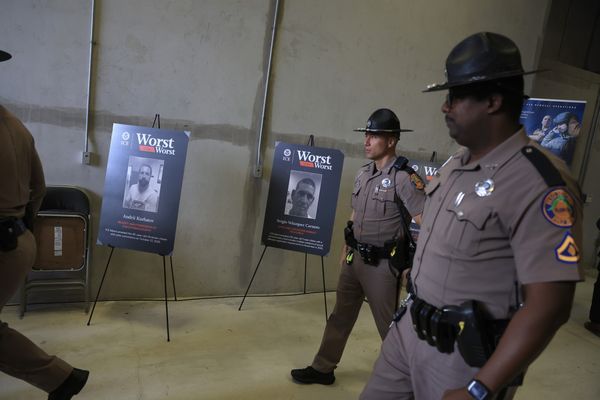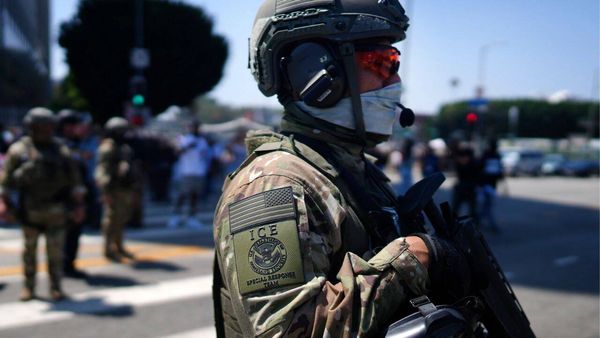
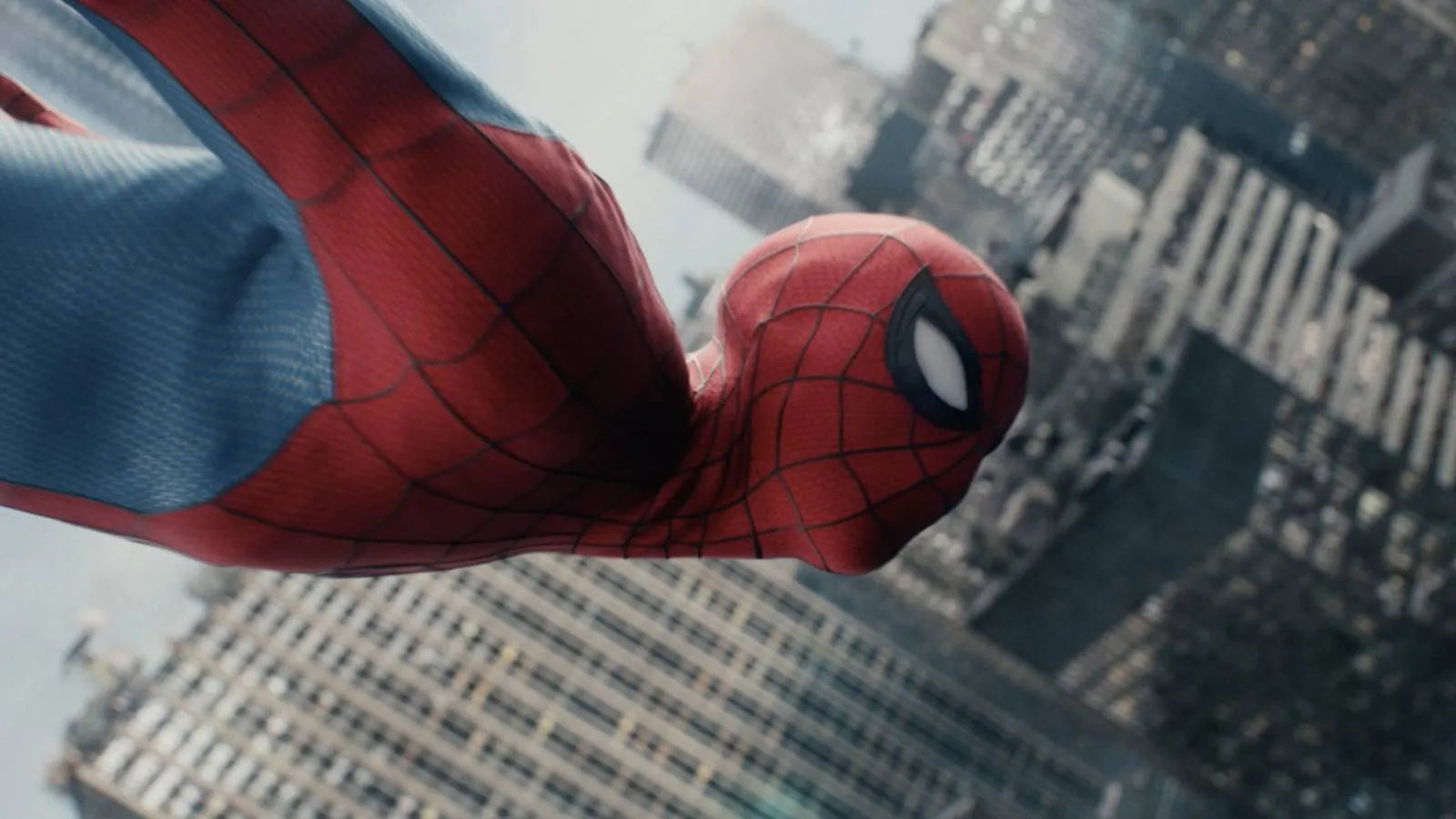
One of the inescapable realities of superhero stories is that the heroes of Marvel and DC Comics often have an affirmative relationship with the institution of policing. Icons like Batman and Spider-Man have long had police allies in the form of Commissioner Gordon or Brand New Day’s Jean DeWolff despite technically working outside the law, but even beyond officers in a superhero’s supporting cast, the genre itself has had to wrestle with its perception as copaganda, works that exist to uncritically reinforce a sanitized depiction of the justice system. There’s a reason why cinematic depictions of Batman have led to a perception that he exclusively beats up petty criminals instead of using his wealth to reform Gotham in any meaningful way.
On one hand, the genre has tried to engage with this in many ways both on and off screen. It’s a cliché at this point to bring up how The Dark Knight reflects on the moral failings of the Patriot Act, and 2021’s The Falcon and Winter Soldier somewhat explores the repercussions of the moral absolutism that usually comes with state-sanctioned authority. On the other hand, the Marvel Cinematic Universe doesn’t seem all that interested in examining the authoritarian tendencies of the genre, and no character has suffered more from that than Spider-Man.
MCU Spider-Man Feels Like a Militarized Cop
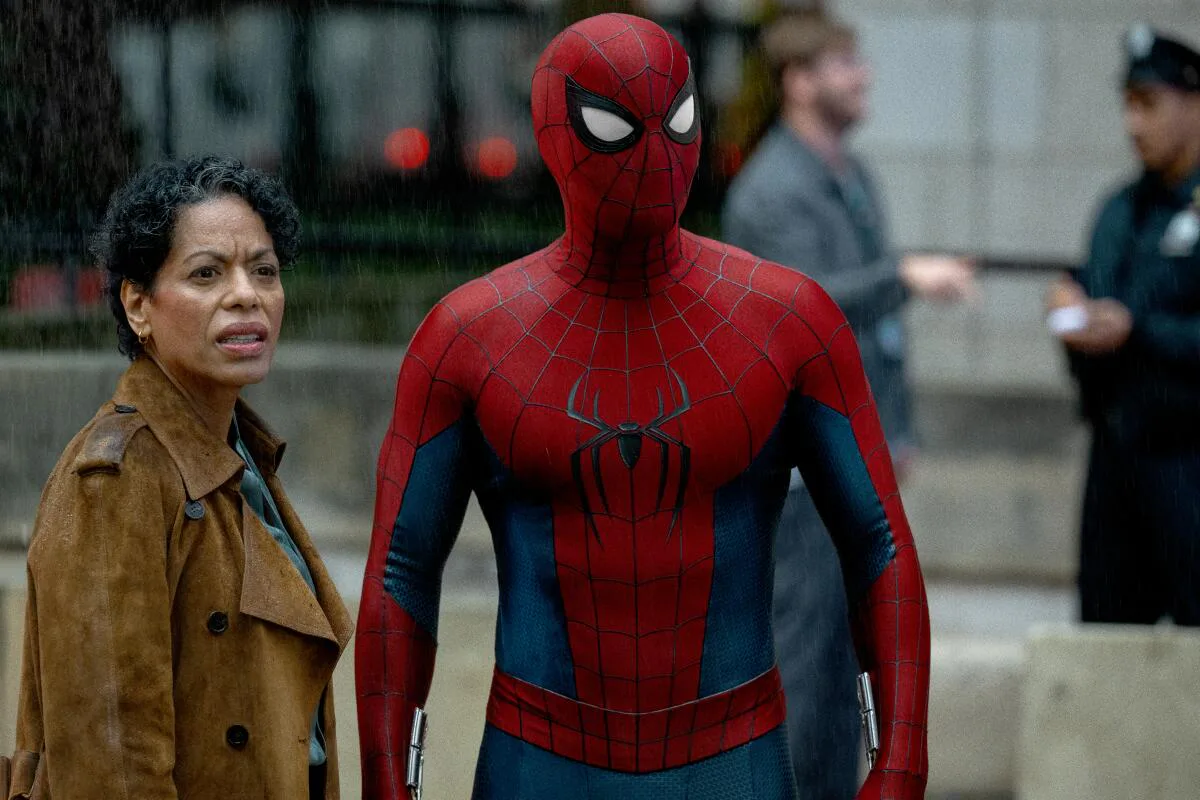
The MCU’s version of Peter Parker has been critiqued since Homecoming because of the way his relationship with billionaire industrialist Tony Stark changes the context of the character. Instead of a scrappy working-class hero viewed as a champion of the little people, Tom Holland’s Spider-Man is gifted a high-tech weaponized suit with lethal functionalities in his first appearance. It might seem like a non-issue at first, especially because he never uses it on human beings, but the nonchalance with which these films introduce military-grade tech for Peter to use only continues with each film: Far From Home sees him temporarily in the possession of glasses from Tony Stark with access to a global satellite network and weaponized drones, and the recent Brand New Day casually shows Peter accessing every public camera in NYC to track and capture Jean Grey.
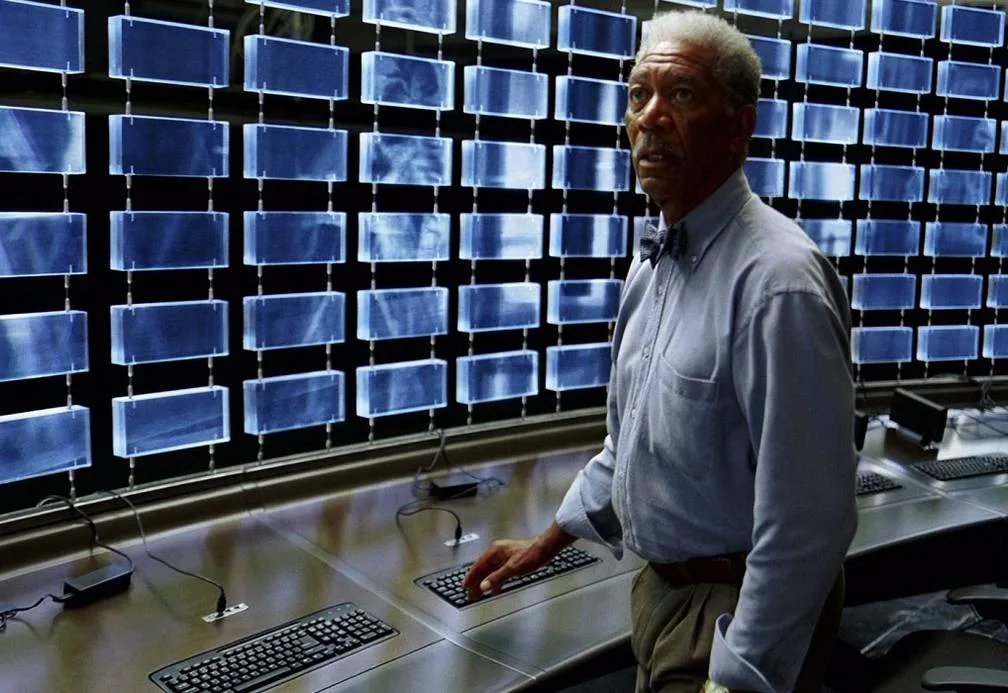
Far From Home at least tries to deal with the implications of the plot by having Peter be uneasy with inheriting such powerful technology, but Brand New Day never lampshades Peter’s breach of NYC’s collective privacy in the same way. Not only do no characters in the film object to his idea (not even the detective who outright informs him it’s illegal), but it also objectively works in his favor. Compare that to the treatment of a similar concept in The Dark Knight, where Batman’s decision to hack into phone networks to catch The Joker is framed as an extreme overreach that one of his trusted confidants explicitly tells him is wrong.
Why Spidey Needs To Be Less of a Cop
It’s not so much that the plot point is introduced in the first place as it is that the film, and by extension Peter Parker, doesn’t care that it’s a violation of privacy. It’s not the behavior of a friendly neighborhood hero who values the autonomy of each citizen in New York City; it’s the behavior of a cop more concerned with catching a criminal than providing real safety and security (a dichotomy made even more ironic considering the debate surrounding the real-world Flock traffic cameras being used by police, sometimes for incredibly inappropriate reasons). In fact, the Tom Holland Spidey series has increasingly lacked real moments of connection between the hero and the citizens he protects, and combined with the morally dubious lengths he’s willing to go to in order to catch his perp, it comes across as an endorsement of violating rights if the stakes are high enough.
Superhero comics have come a long way from the days in which Superman could only leap tall buildings and fight crony capitalists; it has become an increasingly punitive genre in the mainstream, with the spectacle derived mostly from violence and punishment of transgressors in order to preserve the status quo. As long as the Big Two are mainstream publishers owned by megacorporations trying to make a profit, the amenable relationship between superheroes and a flawed system of justice will continue to avoid rocking the boat too hard. But that doesn’t mean superhero films have to so intensely and uncritically mirror the increasing militarization of police and “law-keeping” agencies; if people are okay with Spider-Man breaching privacy for “the greater good,” then it can’t be an issue when it happens in the real world, right?
Spider-Man: Brand New Day is currently in theaters.