
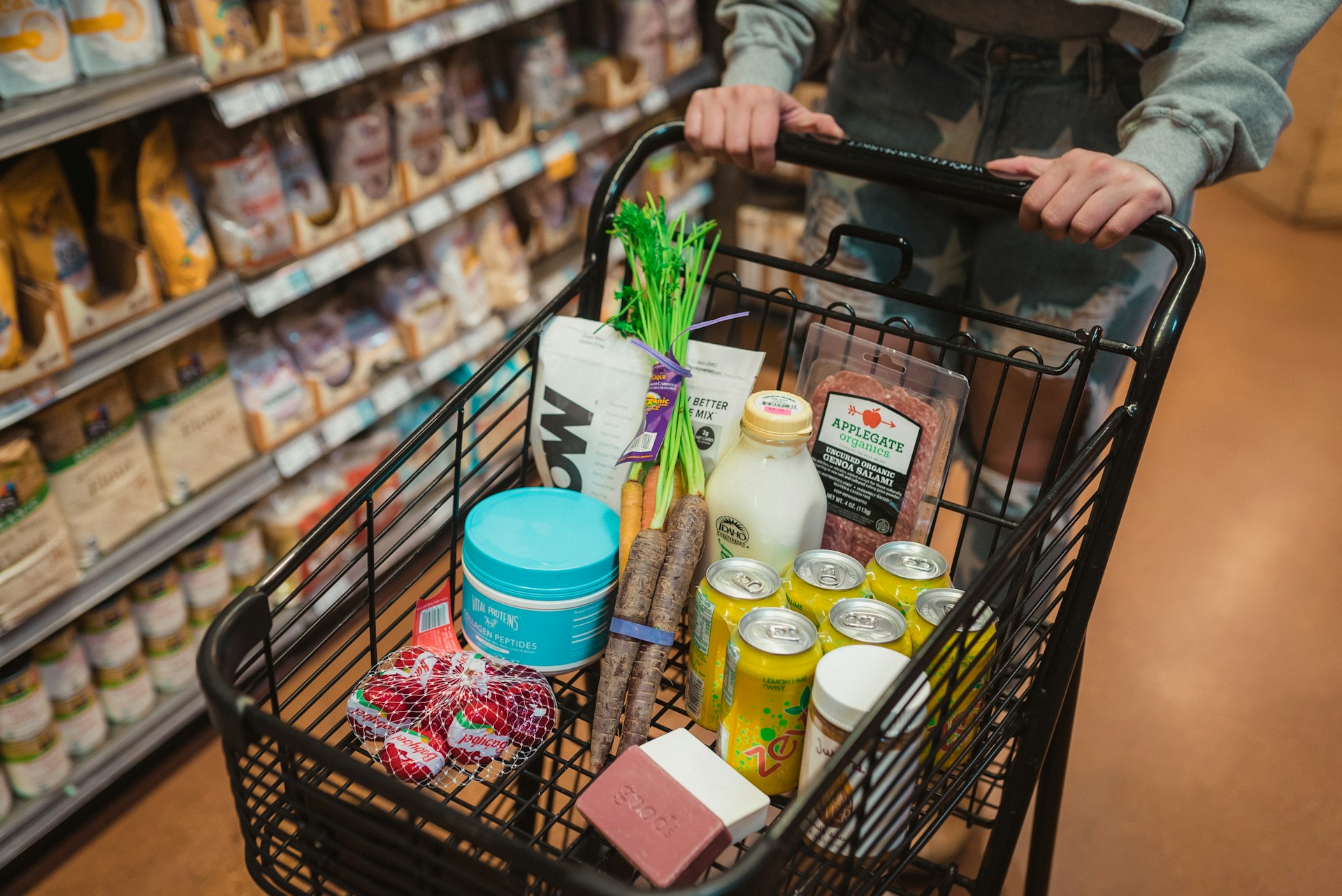
Every time you shop, you’re giving retailers more information than you realize. Whether it’s through loyalty cards, digital coupons, or online orders, your grocery list becomes a data goldmine. It tells stores not only what you buy—but also who you are, what you like, and what you might do next. From predicting when you’ll run out of milk to knowing if you’re planning a family trip, companies quietly use your purchases to shape what you see (and spend) next. Here are seven fascinating ways stores use your grocery list to predict your next move.
1. Predicting Your Shopping Routine
Retailers track how often you shop and what days you prefer, allowing them to anticipate your next visit. If you consistently buy coffee and eggs every Saturday morning, they’ll time promotions to hit your inbox right before your usual trip. This data helps them keep you coming back without you realizing you’re being nudged. The idea is to make the experience feel personal and convenient—even though it’s calculated. It’s one of the most common ways stores use your grocery list to predict your next move.
2. Identifying Life Changes
Your grocery list can reveal major life milestones long before you announce them. Retailers know when you’re expecting a baby because of purchases like prenatal vitamins and unscented lotion. Buying diapers or baby wipes moves you into a new marketing category instantly. Similarly, switching to gluten-free or vegan items can signal dietary or health shifts that trigger targeted ads. Big data allows companies to see patterns in your purchases that even your friends might not have noticed yet.
3. Targeting You with Personalized Coupons
Have you ever received a coupon for something you were just thinking about buying? That’s not a coincidence—it’s a prediction. Retailers analyze your past shopping patterns to determine what you’re likely to purchase next. If you regularly buy cereal but not milk, they might send you a discount to encourage both. Personalized deals like these are how stores use your grocery list to predict your next move—and make you spend just a little more each time.
4. Forecasting Seasonal Habits
Your grocery list tells stores how you transition through the seasons. When you start buying sunscreen, picnic snacks, or charcoal, they know summer is coming—and they’ll fill your feed with related promotions. In winter, they’ll push soup, blankets, and comfort food. This helps retailers fine-tune inventory and marketing for your region’s habits in real time. The goal is to make shopping feel intuitive—because they already know what’s next.
5. Building a Profile of Your Lifestyle
Beyond individual purchases, your list paints a detailed picture of your household. Frequent frozen meals may suggest a busy professional lifestyle, while bulk buys hint at a larger family. High-end organic products can flag you as a premium shopper, prompting stores to show more upscale options. Even the type of pet food you buy can segment you into marketing groups. Every detail becomes part of a predictive model that tells companies who you are—and how to sell to you.
6. Anticipating When You’ll Run Out
Modern retail analytics can predict with surprising accuracy when you’ll need to restock essentials. By tracking your purchase frequency and product sizes, stores can estimate when your pantry is running low. If you usually buy detergent every three weeks, expect an email reminder or app notification right on schedule. This isn’t just convenience—it’s an algorithm designed to keep your spending consistent. It’s another subtle way retailers use your grocery list to predict your next move without you even realizing it.
7. Influencing Future Purchases Through Suggestive Marketing
Once retailers understand your habits, they use them to subtly steer your choices. If you buy pasta regularly, they’ll promote higher-end sauces or kitchen gadgets next time. The goal is to build “purchase momentum,” turning simple buying habits into predictable spending patterns. These suggestions are often framed as helpful recommendations, but they’re actually data-driven nudges. The more you buy, the more refined—and accurate—their predictions become.
The Price of Convenience
Modern shopping feels seamless because it’s designed to be that way. Behind every coupon, recommendation, and personalized ad is a complex system predicting what you’ll want before you even think about it. On one hand, it makes grocery shopping easier and more efficient. On the other hand, it raises questions about privacy, consent, and how much control we really have over our spending. The next time you grab your cart, remember: your grocery list isn’t just a record of what you need—it’s a roadmap of who you are.
Does it surprise you that stores use your grocery list this way? Share your thoughts and experiences in the comments below.
What to Read Next
- 7 Retailers Using AI to Analyze Your Aisle “Dwell Time”
- 10 “Sensory” Tricks Retailers Use to Push Expensive Brands
- 11 OTC Medicines That Cost Less at Discount Retailers
- 8 Shoppers’ Psychology Secrets Retailers Exploit Daily
- 6 Ways Retailers Hide Clearance Items In The Cleaning Aisle
The post 7 Ways Retailers Use Your Grocery List to Predict Your Next Move appeared first on Grocery Coupon Guide.