
A lot of men don’t go silent because they don’t feel—they go silent because they feel too much and don’t know where to put it. Somewhere between “man up” culture, emotional pressure, and the fear of being misunderstood, many guys learn how to cope by numbing instead of talking. It doesn’t always look dramatic, and it definitely doesn’t always look broken, but it slowly disconnects men from their relationships, their purpose, and sometimes even themselves.
This isn’t about blame—it’s about awareness, clarity, and change. Because once you see the patterns, you can’t unsee them. And once you can name them, you can start choosing something better.
1. The Disappearing Act Through Distraction
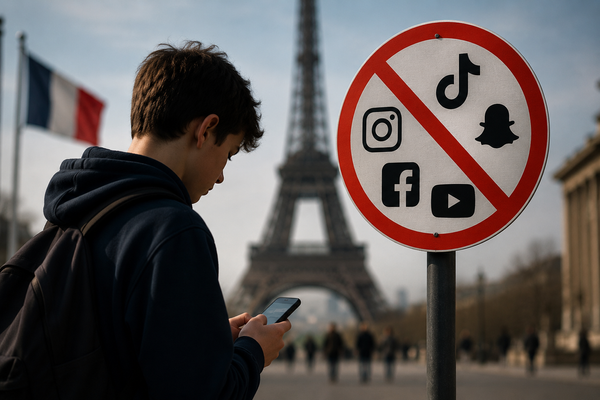
One of the most common numbing strategies is distraction disguised as productivity or entertainment. Endless scrolling, gaming marathons, sports binges, and nonstop content consumption can feel harmless, but they often serve as emotional noise machines.
When feelings start creeping in, distraction steps up as the easiest escape route. It’s not laziness—it’s avoidance with a busy schedule and a glowing screen. The mind stays occupied, but nothing actually gets processed. A simple suggestion: start noticing when distraction feels soothing versus when it feels compulsive, because that line matters more than people realize.
2. Working Yourself Into Emotional Silence
Work can become a socially acceptable hiding place for unspoken stress, anger, sadness, and confusion. Overworking doesn’t just build careers—it builds distance from internal awareness and also affects your health. Many men don’t realize they’re using work as an emotional shield because it looks responsible, productive, and admirable from the outside. But busyness doesn’t heal anything, it just delays it.
The problem shows up when rest feels uncomfortable and silence feels loud. Try giving yourself space that isn’t filled with tasks, because clarity usually shows up when the noise stops.
3. Humor as Emotional Camouflage
Jokes are powerful, and humor can be healing—but it can also be armor. When everything serious gets turned into sarcasm or comedy, real emotions never get airtime. Many men learn early that laughter feels safer than vulnerability, and being funny feels safer than being honest.
Eventually, humor becomes a reflex instead of a tool. It keeps conversations light but shallow. A powerful shift is learning when to let humor coexist with honesty instead of replacing it.
4. Anger as the Only Allowed Emotion
Anger often becomes the emotional translator for everything else. Hurt turns into irritation, fear turns into control, sadness turns into frustration. It’s not because men only feel anger—it’s because anger feels socially permitted. B
ut when anger becomes the default outlet, real emotional communication gets blocked. Relationships start feeling tense instead of safe. Learning to label emotions beyond “fine,” “annoyed,” and “stressed” changes everything, and emotional vocabulary is a real skill you can practice.
5. Isolation Disguised as Independence
Solitude can be healthy, but emotional isolation is different. Some men withdraw not because they want peace, but because connection feels exhausting or risky. Independence becomes the story, but disconnection becomes the reality.
The fewer people you talk to, the harder it becomes to talk at all. Emotional silence slowly feels normal. Start small—one honest conversation with one safe person can disrupt years of emotional isolation.

6. Numbing Through Substances and Stimulation
Alcohol, food, nicotine, and other substances often become emotional regulators instead of social tools. They don’t solve anything—they just lower awareness. Stimulation can feel like relief, but it usually deepens avoidance.
The emotional buildup doesn’t disappear; it waits. Awareness isn’t about shame—it’s about noticing patterns. If something feels like a requirement instead of a choice, it’s worth paying attention to.
7. Avoidance Masquerading as “I’m Fine”
“I’m fine” is one of the most powerful emotional shutdown phrases in modern culture. It sounds polite, strong, and self-contained, but it often means “I don’t feel safe opening this door.” Emotional suppression doesn’t look dramatic—it looks functional.
Suppressed emotions show up as burnout, irritability, disconnection, and emotional fatigue. Being honest doesn’t mean oversharing—it means being real with yourself first. Start by asking better internal questions before trying to give better external answers.
When Expression Becomes Strength, Not Risk
Speaking up isn’t weakness—it’s emotional efficiency. Expression reduces pressure, improves clarity, and strengthens relationships. The goal isn’t to talk constantly, but to stop carrying everything silently. Emotional honesty builds trust, self-respect, and deeper connection. Men don’t need more numbing tools—they need safer spaces and better language for what they feel.
If you’re being honest with yourself, what’s your go-to numbing habit, and what emotion do you think it’s protecting you from? This is a safe space to talk about it.
You May Also Like…
8 Ways Fathers Influence Sons Without Speaking
7 Financial Choices Men Wish They Reconsidered Sooner
6 Lifestyle Choices That Accelerate Mental Fatigue
7 Red Flags Men Notice Right Before Their Marriage Is Over
7 Ways Men Sabotage Respect Without Realizing It
The post 7 Ways Men Numb Out Instead of Speaking Up appeared first on Clever Dude Personal Finance & Money.