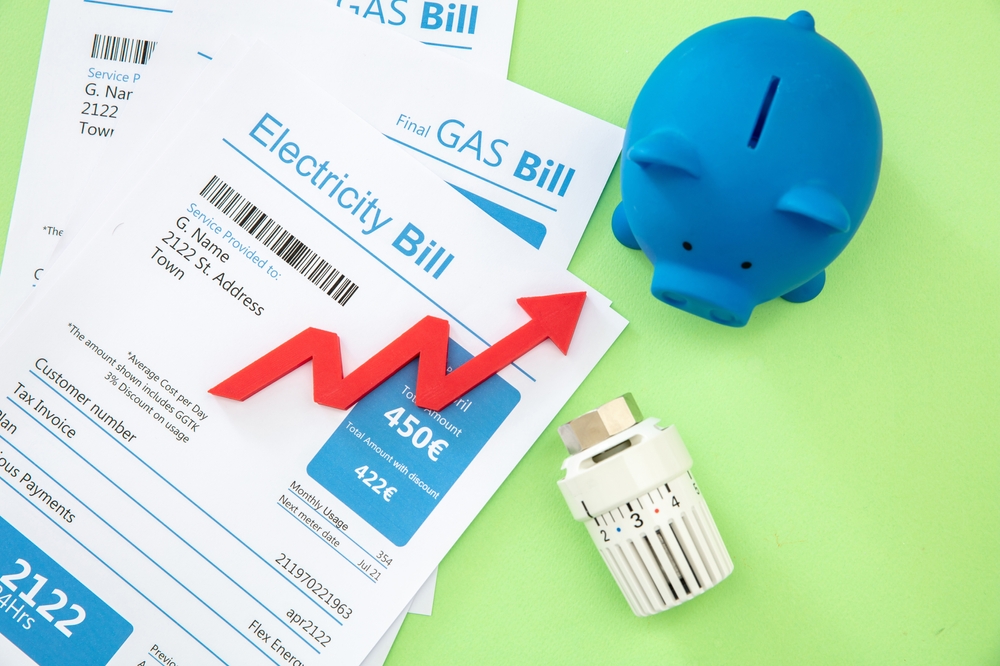
Most people glance at the total on a utility bill, wince, and pay it. The problem is that the “total” often hides a bunch of charges that can change, stack, or stick around after they no longer apply. You don’t need to argue with your utility company every month, but you do need to know what you’re paying for. When you understand the most common utility line items, you can spot mistakes, avoid optional add-ons, and reduce surprise spikes. Here are seven charges many customers never question—and the quick checks that can save real money.
1. Base Service Charge Or Customer Charge
This is the flat fee you pay just for having an account, even if you use almost nothing. It can show up as “customer charge,” “base charge,” or “meter charge,” and it’s often non-negotiable. The reason it matters is that it sets a minimum bill, which can make “use less” feel pointless if you don’t understand the breakdown. Some people also get hit with multiple base charges if they have separate meters or service addresses. When you review utility line items, start here so you know what part of your bill you can’t change with behavior.
2. Delivery Charges Versus Supply Charges
Many bills split costs into two buckets: supply (the energy or water itself) and delivery (getting it to you). Customers often focus on the supply price, but delivery charges can be just as large, especially during high-use months. This is also where confusion happens if you use a third-party energy supplier, because the utility still charges delivery even if supply comes from someone else. If your bill suddenly jumps, check whether delivery rates changed, not just usage. Understanding utility line items here helps you avoid blaming your habits for a rate change you didn’t control.
3. Fuel Adjustment, Purchased Gas, Or Power Cost Adjustment
These adjustments change with market conditions and can swing your bill even when usage stays steady. Utilities use them to pass through certain costs tied to fuel or purchased power, and they may appear as a per-unit add-on. Customers rarely question them because they sound technical and “official.” The smart move is to compare this line across a few months and note when it spikes, because that tells you whether your total increased due to pricing rather than consumption. When you track utility line items over time, this one is often the hidden culprit behind “nothing changed but the bill doubled.”
4. Demand Charges Or Peak Surcharges
Demand charges are common in some electric rate plans, especially for certain customers and service types, and they’re tied to your highest short-period usage. That means one high-load moment—like running the dryer, oven, and HVAC at once—can raise the bill even if overall usage isn’t extreme. Peak surcharges work similarly by charging more during high-demand hours or days. Many people never realize they’re on a plan where timing matters more than total kilowatt-hours. If you see demand-related utility line items, you may save more by shifting usage than by cutting it.
5. Storm Recovery, Infrastructure, Or Grid Improvement Fees
After major events or big projects, utilities may add riders or surcharges to recover costs over time. These can appear as storm recovery, resiliency fees, infrastructure charges, or system benefit charges. Customers don’t question them because they sound like “public good” items, and they often feel unavoidable. The key is to understand whether the charge is temporary, how it’s calculated, and whether it applies to all customers or only certain areas. When you check utility line items, look for new fees that weren’t on last year’s bills and ask how long they’re expected to remain.
6. Late Fees, Convenience Fees, And Payment Plan Charges
Late fees are obvious, but convenience fees can be sneakier, especially if you pay by phone, card, or through a third-party payment portal. Some utilities charge extra for credit card processing, and those charges can add up fast if you pay monthly that way. Payment plans can also include fees or interest-like charges depending on the program. The easiest savings here is changing how you pay, not how you use energy or water. Utility line items tied to payment are the easiest to fix because you can often avoid them entirely with autopay or bank transfer.
7. Optional Protection Plans And Add-On Services
Many utility bills include optional plans like appliance repair coverage, water line protection, or service warranties. These are often marketed as “peace of mind,” and they may be added through a checkbox, a phone offer, or a third-party partner. The issue is that customers forget they enrolled, and the charge becomes “normal” over time. Some plans are useful, but many duplicate homeowner’s insurance, warranties, or savings you could build in an emergency fund. When you scan utility line items, look for anything that sounds like a plan, program, or protection add-on and confirm whether you actually want it.
The Habit That Makes Utility Bills Easier To Control
You don’t need to become a utility expert—you just need a simple review routine. Compare your current bill to the same month last year, then scan for changes in rates, new surcharges, or optional add-ons. Track three things: usage, supply rate, and the biggest “adjustment” lines, because that explains most spikes. If something looks new or unclear, call and ask for a plain-language explanation and whether it’s optional or temporary. When you pay attention to utility line items instead of only the total, you’ll catch problems faster and keep more money in your pocket.
Which line on your bill confuses you most—delivery charges, fuel adjustments, or “recovery” fees?
What to Read Next…
Why Utility Companies Offer Bill Credits Few Customers Ever Claim
Water Authorities Are Raising Base Rates in Several Cities
Utilities Are Quietly Reopening Discount Programs Many Retirees Miss
Electric Companies Are Raising Minimum Charges This Winter
The Analog Penalty: Why Your Utility Company is Charging You $75 a Month to Reject Their ‘Spy’ Meter