
Managing sleep issues in children
Sleep is essential for the growth and development of children, yet many parents find themselves grappling with sleep issues in their little ones. Many challenges fall upon when it comes to ensuring their children get adequate and restful sleep. From bedtime battles to frequent night awakenings, sleep problems can take a toll on both children and their families. Let’s understand some of the common reasons why your child is seen delaying sleep or is inconsistent with it. Stated below are reasons behind sleep issues in children, effective strategies for addressing them, and when it's time to seek guidance.
Causes of sleep issues in children:
Developmental milestones: As children grow and reach developmental milestones, such as teething, learning to walk, or potty training, their sleep patterns may be disrupted.
Environmental factors: Factors like excessive noise, light, or an uncomfortable sleep environment can interfere with a child's ability to fall and stay asleep.
Medical conditions: According to Dr. Surender Kumar - Consultant Pediatrician & Neonatologist at Motherhood Hospital, Gurgaon, “Certain medical conditions, such as sleep apnea, reflux, asthma, or allergies, can disrupt sleep in children. Additionally, mental health conditions like anxiety or ADHD may also contribute to sleep disturbances.”

Poor sleep hygiene: Irregular bedtime routines, excessive screen time before bed, or consuming stimulants like caffeine can all negatively impact a child's sleep quality.
Strategies to fix a regular bedtime for kids
Establish a consistent bedtime routine
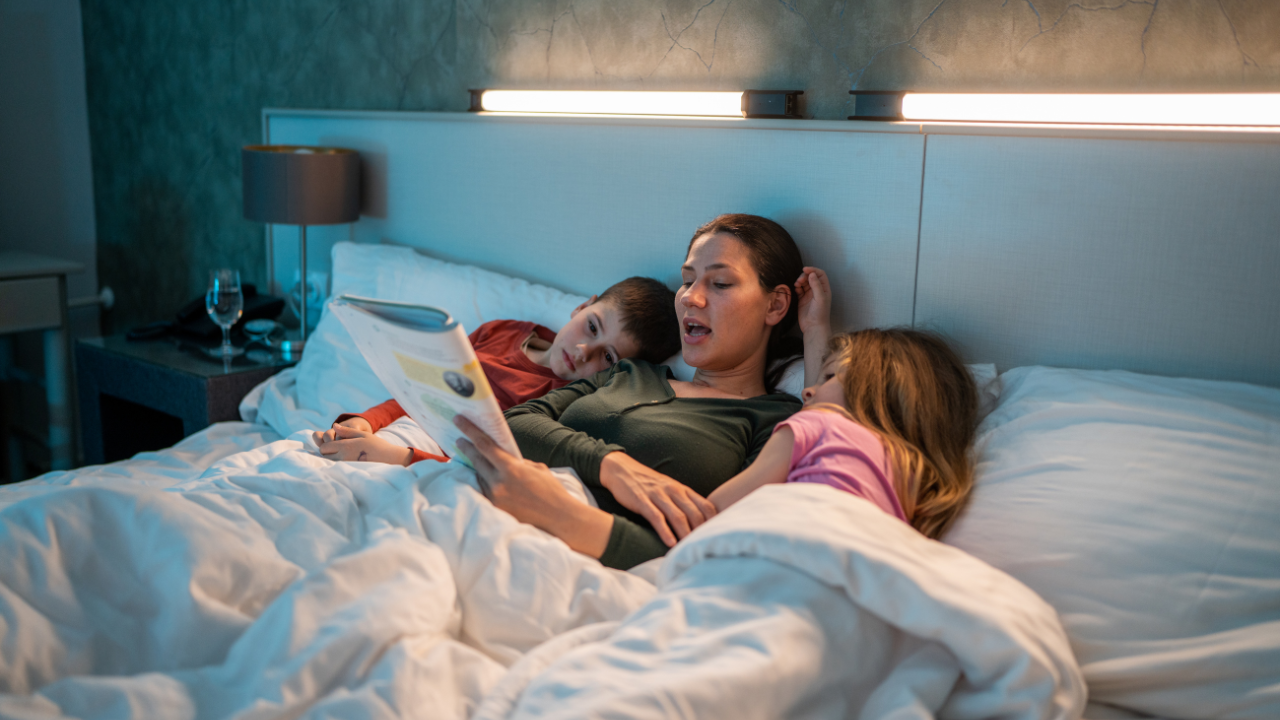
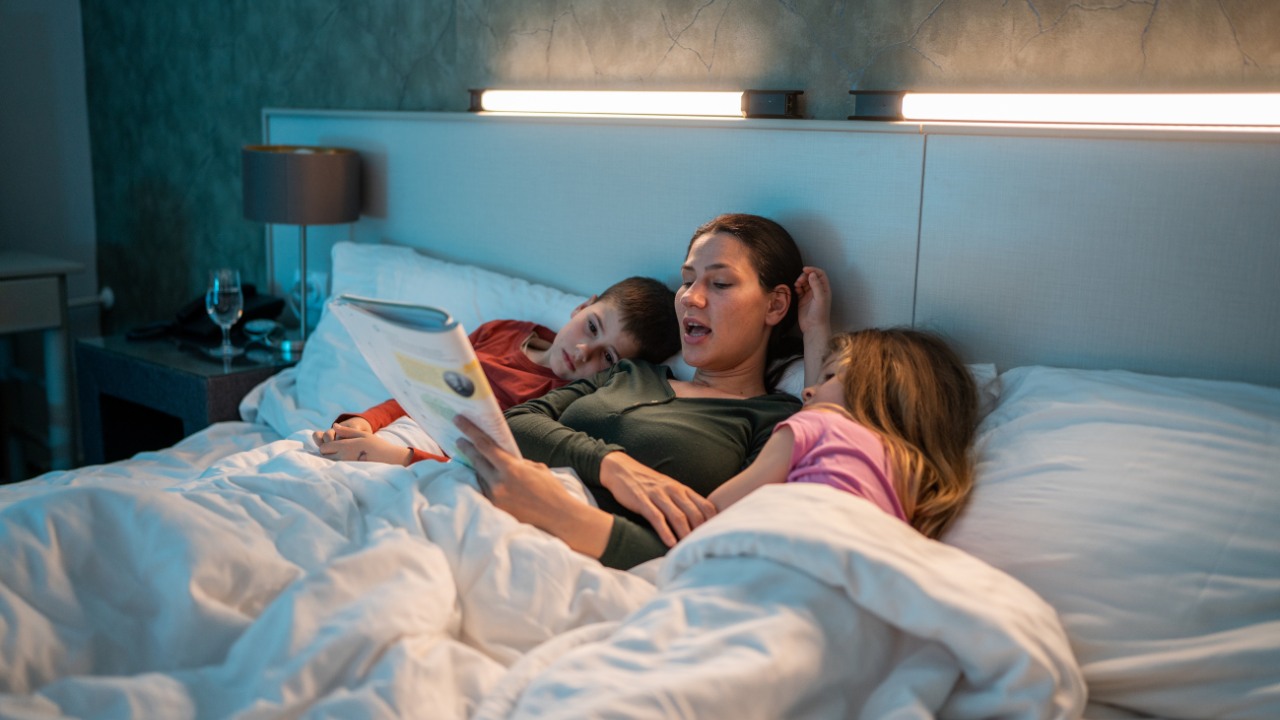
Creating a calming bedtime routine can signal to children that it's time to wind down and prepare for sleep. Activities like reading a book, taking a warm bath, or practicing relaxation techniques can promote better sleep.
Maintain a comfortable sleep environment
Ensure that your child's sleep environment is conducive to restful sleep. This includes keeping the bedroom cool, dark, and quiet, and providing a comfortable mattress and bedding.
Limit screen time before bed
Blue light emitted from screens can interfere with the body's natural sleep-wake cycle. Limit your child's exposure to screens, including smartphones, tablets, and televisions, at least an hour before bedtime.
Encourage healthy sleep habits
Emphasize the importance of consistent sleep schedules and adequate sleep duration for children of different ages. Most preschoolers need 10-13 hours of sleep per night, while school-aged children may require 9-11 hours. Stick to a consistent sleep schedule, including waking up and going to bed at the same time each day, even on weekends.
Encourage daytime activity
Ensure your child gets enough physical activity during the day, as it can help them sleep better at night.
Monitor caffeine intake
Avoid giving your child caffeine, especially in the afternoon and evening, as it can disrupt sleep.
Address anxiety or stress
Talk to your child about any worries or fears they may have that could be affecting their sleep. Providing reassurance and addressing concerns can help alleviate anxiety.
When to seek help?
Persistent sleep difficulties: If your child constantly struggles with falling asleep, staying asleep, or experiences frequent night awakenings for more than a few weeks, it may be time to consult a pediatrician.
Behavioral changes: Sudden changes in your child's behavior, such as increased irritability, moodiness, or difficulty concentrating, could indicate underlying sleep issues.
Impact on daily functioning: If sleep problems begin to affect your child's daytime functioning, such as performance in school, mood, or behavior, it's important to seek professional guidance.
Concerns about sleep disorders: If you suspect that your child may have a sleep disorder, such as sleep apnea or restless legs syndrome, it's crucial to consult a pediatrician for further evaluation and management.




.png?w=600)








