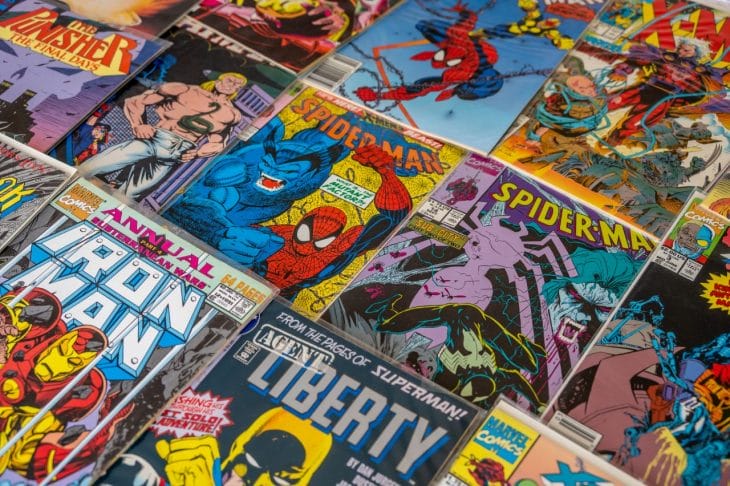
You can definitely grade your own comics if you want. Before you can sell a valuable comic, you must authenticate its value, grade it, and slab it to prove its value to the buyer and seller. There is a process to grading that requires discipline, but you can do it. Should you grade your own comics? That is another issue. It is hard to be impartial when you are grading issues you want to sell for the highest amount possible in the future.
You should grade your own comics to better understand the process before hiring a third-party grading service to do it professionally.
Still, here are seven tips for grading comics on your own terms.
1. Understand The Grading Process
A “grade” is a score that determines the overall condition, aesthetic condition, and potential market value of a comic book. Comic book grades range from 0.5 to 10.0. The higher the grade, the better the condition of the comic. 0.5 is a grade for comics with bad aesthetics, physical damage, and wear and tear. 10.0 represents a valuable comic in perfect aesthetic condition.
Most comic books at auction rarely reach the 10.0 mark; they usually peak at 9.8. If you want to grade your own comics, you must be neutral and impartial to your own wants. If your comic rates a 6.5, you shouldn’t make it a 7.5 to get a better deal when selling.
2. Have a Segregated Workspace
You need to closely inspect your comics for defects and imperfections when grading them. Use a corner of your room or a dedicated room as our workspace. Make sure your work area is spotlessly clean and free of dust, dirt, and grime. There is no reason to grade your own comics and then make them dirty and less valuable in the process.
Your grading workspace should be segregated from chaos, clutter, noise, and uncleanliness. The cleaner and more isolated your workspace, the less you will worry about distraction and contamination.
3. Have Good Lighting
If you’re going to grade your own comics, wear glasses if you need them. Also, make sure you have good lighting from a L.E.D. desk lamp. You will need to thoroughly inspect every page of the comic to find hidden or barely perceivable imperfections. Every aesthetic blemish or imperfection you miss is one that a potential buyer might find later on.
Buy this powerful L.E.D. desk lamp with 10 brightness levels from Amazon for only $62.
4. Use a Powerful Magnifying Glass
You are not going to pick up every potential aesthetic imperfection with the naked eye if you plan to grade your own comics. Make sure you use a good magnifying glass with a desk stand. Slowly and methodically inspect the surface area of every page with the help of the magnifying glass. You need to have this dedication if you plan to assign grades to your comics by yourself.
Buy this 15” x 3” desk lamp with its own o-ring lamp. It has 80 L.E.D. light beads in the o-ring. Buy it now from Amazon for $72.98.
4. Use Gloves
Buy disposable plastic gloves before you start examining your comics. You don’t want to contaminate the surfaces of your comics with dirt, grime, or food particles after examining. You could even leave traces of water or soap, after cleaning your hands, on your comics if you’re not careful. If you plan to grade your own comics, you need to have a sterile mindset when examining them.
If you found out that a potential seller grades his comics with his bare hands after eating, would you buy from them?
5. Give The Comic a Thorough Lookover
Check the cover and back cover and see if they are in good condition. Are there any loose or missing pages? Look at the condition of the spine staples. Are any of the staples rusting, broken, or missing? Missing spine staples will take points off a grade.
Is there moisture or water damage? Has the comic been in a flood? Water damage can cause natural fading and fungal growth on the paper. This will definitely cause deterioration.
Is there sun damage or discoloration caused by sunlight? Leaving comic book paper in direct sunlight can cause fading, paper deterioration, and brittleness.
Look for curved spines, paper with ripples or cracking. Also, look for signs of amateur repair. Did someone try to use tape to repair the comic, or put new staples in the spine?
If you find significant dirt and grime on the comic, then you might want to find a professional to restore it. Are there any signs of tearing or missing sections of the comic? Does the comic book paper have fingerprints, coffee stains, or food residue on it?
Your job is to look for any imperfections that will bring down the grade of the comic.
6. Log It In a Grading Logbook
Make notes in a grading logbook as you carefully examine your comic. Every aesthetic imperfection, discoloration, rust, spine staple, sunlight or water discoloration, or signs of amateur repair on the comic should be logged. You don’t want to forget what you learn during your meticulous inspection. You also want to use this data when assessing your grade for each comic you examine.
7. Making the Grade
Comic grades ranging from 10.0 to 8.0 mean that it has some perceivable wear, but is almost in mint or near mint condition. Grades ranging from 7.5 to 5.5 mean that the comic has some perceivable signs of aesthetic damage or wear and tear. Comics with a 5.0 to 0.5 grade have glaringly obvious signs of aesthetic damage, tears, abrasion, missing parts of pages, fading, or discoloration. The comic should still have all of its pages.
Your biggest hurdle is to be impartial and give your comics the grades they exhibit, not the ones you want them to have.
Grade Your Own Comics
The problem with grading your own issues is the impartiality problem we mentioned earlier. You will naturally have a tendency to grade your comics higher than they are worth. If you sell on eBay or other sites and the buyer disagrees with your grade, it can lead to financial and reputational issues later.
The best thing to do is to use a third-party grading service to grade your comics. The buyer you make a deal with in the future is more likely to trust a third-party grading service than the seller, you.
This post includes affiliate links. If you purchase anything through these affiliated links, the author/website may earn a commission.
You May Also Like…
- If You Bought Comics in the 90s, You Need to Check These ASAP
- Do You Own These 10 Comics? They Could Be Worth More Than Your Car
- If You Buy One Collectible Comic This Year, Choose From This List of 7
- These 7 Landmark Debuts of Black Superheroes Could Heat Up the Market
- Lobo Unleashed: The 9 Most Brutal and Entertaining Stories of the Main Man
The post 7 Tips on How to Grade Your Own Comics Before Contacting Experts appeared first on Personal Finance Advice.