
Gen Z grew up surrounded by sleek devices that promised to make life easier, faster, and cleaner. But some of these tech products created more problems than they solved. They cost more, break faster, and lock users into routines that feel less free than the analog versions they replaced. The tension is visible every time a device glitches or a subscription renews without warning. The reality: some of the most popular tech products feel like steps backward. And that matters because these habits shape the cost of living and the quality of daily life.
1. Wireless Earbuds
Wireless earbuds sit at the center of modern convenience, but they represent one of the clearest downgrades in everyday tech products. They fall out, get lost, and require constant charging. Battery life fades, turning a once‑functional pair into e-waste in a few years. Wired headphones rarely failed this quickly, and they never needed their own power source. Yet many Gen Z users accept the trade because wireless has become the social default.
The downgrade deepens when you factor in audio compression. Wireless audio often loses depth and detail, even on expensive models. The simplicity of a plug has been replaced with troubleshooting menus and Bluetooth pairing loops. That’s not progress. It’s a compromise disguised as innovation.
2. Smart Watches
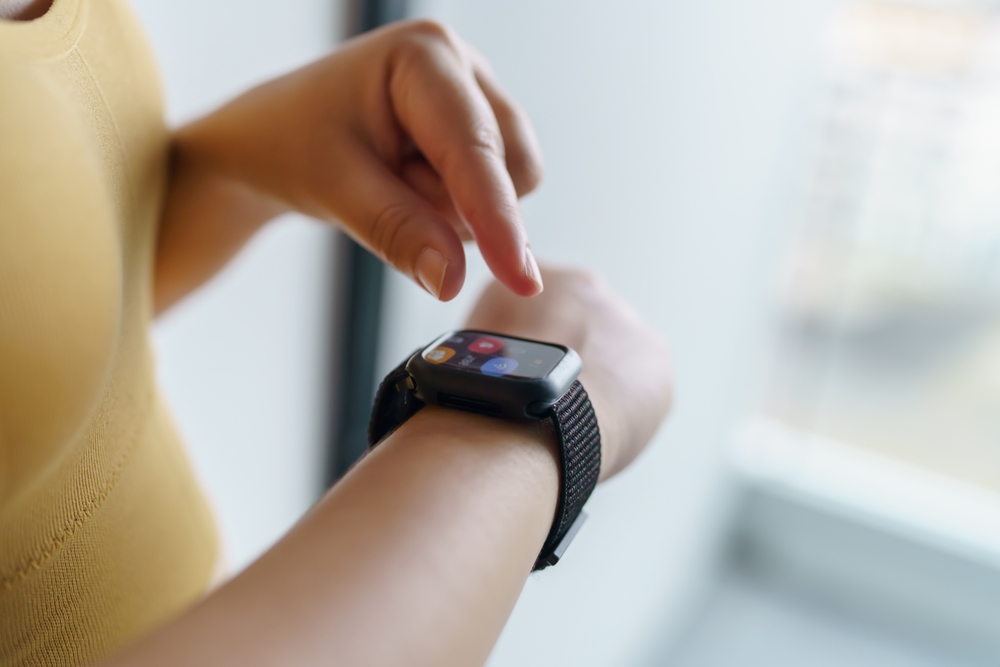
Smart watches promise health data, quick replies, and constant connectivity. What they deliver is another screen demanding attention. Many buyers feel obligated to monitor metrics they once ignored, creating a low‑grade sense of pressure. Traditional watches had one job and did it flawlessly for decades. Today’s versions require frequent charging and updates that interrupt daily routines.
These devices also feed an expectation that every moment should be tracked. But the more data people collect, the more they rely on the device instead of their own sense of well‑being. In the growing sea of tech products, this one blurs the line between helpful and intrusive.
3. Digital Note Apps
Gen Z relies heavily on digital note apps for school, work, and planning. They seem efficient. But they scatter thoughts across platforms, password walls, and cloud syncs that sometimes fail without explanation. Paper notebooks never crashed. They didn’t vanish behind subscription tiers or require file exports.
The downgrade shows up in focus. Typing invites multitasking, and multitasking kills retention. Students flip between tabs, notifications, and windows. A notebook stays still. In a world overwhelmed by tech products, the analog version wins on simplicity alone.
4. Portable Projectors
These tiny projectors show up in dorm rooms and apartments as replacements for televisions. They look stylish, save space, and feel modern. But the image quality rarely matches even a mid‑range TV, and the sound often needs separate speakers just to be audible. Bulbs dim quickly. Fan noise interrupts movies.
What was meant to be an upgrade becomes a hassle: dark rooms, endless adjustments, and a picture that washes out with the slightest ambient light. In practice, this is a downgrade that quietly drains time and money.
5. App-Based Calendars
Digital calendars dominate Gen Z scheduling. They send alerts, connect to email, and sync across devices. But they also create a dependence that’s difficult to break. Auto-scheduling features add events without a clear context. Color coding grows cluttered. Share settings complicate even simple planning.
A physical planner sits open and visible. It never hides behind an app icon or buries entries beneath default settings. As more tech products insert layers between intention and execution, calendars show how digital convenience can obscure clarity.
6. Keyboard Cover Skins
Gen Z often uses silicone keyboard skins to protect laptops from spills. They seem practical. In reality, they trap heat and degrade typing accuracy. Keys lose tactile response, slowing typing speed and increasing errors. Many users peel them off after months of frustration, only to find dust or residue stuck underneath.
The promise of protection created a downgrade in basic performance. And for a device as central as a laptop, any barrier to typing affects productivity in ways that feel subtle at first, then significant.
7. Smart Water Bottles
Smart water bottles sit at the intersection of hydration and data. Lights blink when it’s time to drink. The premise feels harmless, even helpful. But the charging, sync issues, and app notifications turn a simple habit into a chore managed by yet another gadget.
Water bottles never needed firmware updates. They didn’t stop working because a charger went missing. Among modern tech products, this one symbolizes the excess of turning every object into a device with a companion app.
The Cost of Chasing Convenience
People now value convenience above all else, which has led to the decline of products that were once durable and clear and allowed personal freedom. The requirement for weak technology products to function as convenience tools leads to a lifestyle marked by frequent interruptions, equipment failures, and minor degrees of frustration.
The world Gen Z experiences today stems from the actions of previous generations. Previous generations created the world we live in today. People can improve their technology selection through understanding product weaknesses, which helps them save money on subscriptions and build dependable technology relationships.
Which of these supposed upgrades has negatively impacted your daily life?
What to Read Next…
- How Your Wi-Fi Router Placement Might Be Sharing Personal Info
- Why ChatGPT May Be Generating Fake Financial Advice And Getting Away With It
- Are Budgeting Apps Designed To Push You Into Debt
- What Are Banks Really Doing With Your Personal Spending Data
- 7 Free Financial Tools With Privacy Concerns
The post 7 Tech Products Gen Z Can’t Live Without — That Are Actually Downgrades appeared first on The Free Financial Advisor.