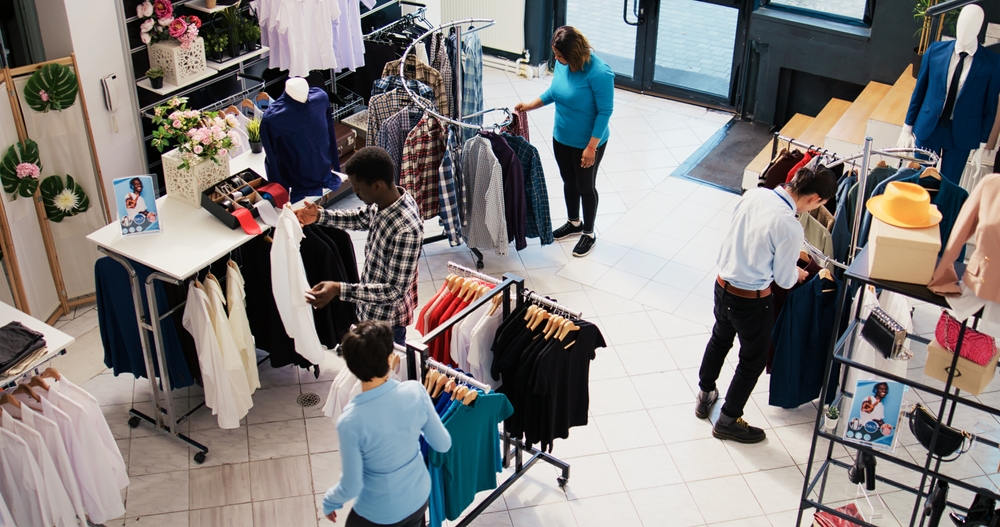
Retailers keep adjusting the way their stores work, and not by accident. Small shifts in traffic flow, product placement, and signage can change how long shoppers stay inside. And more time inside usually means more spending. These tactics feel subtle, but they are intentional. Many shoppers sense something has shifted without realizing the strategy behind it. Store layout changes the path, sets the pace, and affects what ends up in the cart.
1. Strategic Entry Zones
Stores often redesign the entry area to slow shoppers down. The moment someone walks in, they move through a decompression zone that softens their pace. It usually looks open and calm. That space sets the tone and prepares the mind for browsing. Some retailers widen it, brighten it, or reposition displays to control momentum. These store layout changes create an immediate pause, nudging shoppers to linger rather than rush.
2. Longer, Winding Main Aisles
Straight paths push shoppers toward the exit. Curved or extended aisles keep them inside longer, which is why many stores break long sightlines and introduce gentle turns. The structure directs footsteps deeper inside the building, sometimes without shoppers noticing. A longer walk means more exposure to items people did not plan to buy. These store layout changes are quiet, but they stretch shopping trips by affecting how people move.
3. Produce Departments Front and Center
Many retailers move produce sections to the front. Fresh colors set a positive mood and encourage broader browsing. Shoppers often slow down in these areas because produce requires inspection. That slower pace carries into nearby aisles. When the first minutes of a trip feel relaxed and intentional, people tend to take their time throughout the rest of the trip. This approach shifts both tempo and mindset.
4. Cross-Merchandised Endcaps
Endcaps used to be simple promotional spots. Now they often feature grouped items that solve a problem or build a meal. Pasta, sauce, and cheese sit together. Chips and salsa share a corner. These curated setups encourage shoppers to think in combinations, not single products. The visual prompt makes them stop, look, and reconsider their list. It extends browsing time and increases cart size without any overt push.
5. High-Margin Items at Natural Pauses
Shoppers move faster in open aisles than they do near choke points. Retailers place high-margin products exactly where the pace naturally slows—near service counters, transitions between departments, or bottleneck corners. People stop because they have to. While waiting, they scan the shelf. This tactic turns dead space into profit-heavy real estate. It feels incidental, but it works because the pause already exists.
6. Wider Aisles That Invite Browsing
Narrow aisles rush people. Wider aisles feel safer, calmer, and easier to navigate. When a store expands aisle width, shoppers take their time and explore more shelves. Strollers and carts move without friction. The experience feels less like a chore and more like a routine task with room to think. These changes look like improvements in comfort, but they also lengthen trips. The longer shoppers stay, the more likely they are to pick up unplanned items.
7. Checkout Paths Loaded With Small Temptations
The trip to the register used to be a straight line. Now it often winds through narrow lanes stocked with snacks, trial-size toiletries, and seasonal goods. The slow shuffle toward the counter gives the eyes plenty to scan. These items often land in carts because they feel like harmless extras. The path itself keeps shoppers inside for another minute or two. Those extra minutes add up across thousands of shoppers.
Why These Changes Matter
Store layout changes are quiet levers. They shape habits and spending without a single sales pitch. When retailers adjust the path, the pace, or the placement, they reshape the entire shopping experience. The point is not manipulation. It is design. And design affects behavior.
Understanding these shifts gives shoppers more control over their choices. When we recognize how spaces guide us, we move through them with intention instead of impulse. What store layout changes have you noticed during your recent trips?
What to Read Next…
- How Grocery Store Layouts Influence Your Shopping Habits
- Why The Middle Aisles Of Grocery Stores Are Designed To Make You Spend More
- Inside The Radical Psychology Of Grocery Store Layouts
- 7 Common Items Grocery Stores Always Put In The Worst Spot
- How Grocery Stores Entice You To Try New Products And How To Avoid Unnecessary Purchases
The post 7 Store Layout Changes Designed to Keep You Shopping Longer appeared first on Grocery Coupon Guide.