
Owning a pet is a beautiful experience. Whether it is a dog, cat, or a small animal, pets quickly become a part of the family. They rely on their owners not just for food and shelter, but also for emotional support, safety, and care.
Many pet owners believe they are doing everything right, but sometimes small signs can indicate that a pet needs more attention. These signs are often subtle and may not seem serious at first. However, ignoring them can lead to bigger health or behavioural problems over time.
Pets cannot speak, but they communicate through their actions, habits, and physical changes. Understanding these signals can help you take better care of them.
In this article, we will explore seven signs that your pet may need more care and what you can do to improve their wellbeing.
Changes in Eating Habits
One of the first signs to notice is a change in eating behaviour.
If your pet suddenly eats less or shows no interest in food, it may be a sign of discomfort or illness. On the other hand, overeating can also indicate stress or lack of proper nutrition.
A healthy pet usually follows a consistent eating routine. Any sudden change should be observed carefully.
Providing balanced meals and monitoring eating patterns can help you understand your pet’s health better.
Low Energy or Unusual Activity Levels

Pets are usually active and playful in their own way.
If your pet becomes unusually lazy, tired, or less interested in activities, it may need more care. Low energy can be linked to health issues, poor diet, or lack of exercise.
Similarly, excessive restlessness can also be a sign of stress or discomfort.
Maintaining a proper routine with regular playtime helps keep your pet active and healthy.
Changes in Behaviour
Behavioural changes are often a strong indicator.
If your pet becomes aggressive, fearful, or withdrawn, it may be trying to communicate something. Sudden changes in behavior can be caused by stress, environmental changes, or health problems.
Understanding your pet’s normal behaviour helps you notice these differences early.
Spending time with your pet and observing their reactions can provide important insights.
Poor Grooming or Physical Changes
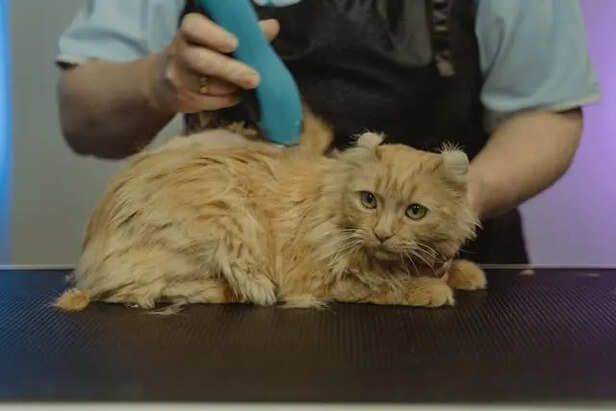
A healthy pet usually maintains its grooming habits.
If you notice dull fur, excessive shedding, or lack of grooming, it may indicate that your pet is not feeling well. Skin issues or discomfort can also affect appearance.
Regular grooming and checking your pet’s physical condition can help identify problems early.
Unusual Sleeping Patterns
Sleep patterns can reveal a lot about your pet’s health.
If your pet sleeps too much or has trouble resting, it may be a sign of discomfort or stress. Changes in sleeping habits often go unnoticed but can be important.
A balanced routine helps maintain healthy sleep patterns.
Bad Breath or Unusual Smell
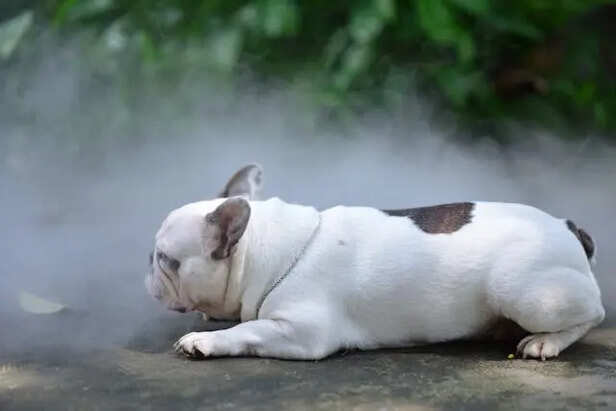
An unusual smell from your pet should not be ignored.
Bad breath or body odour can indicate hygiene issues or underlying health problems. Dental care and cleanliness play an important role in overall health.
Regular cleaning and proper care can help prevent such issues.
Lack of Interest in Interaction
Pets enjoy attention and bonding with their owners.
If your pet suddenly avoids interaction or does not respond as usual, it may be feeling unwell or stressed. This change can affect both emotional and physical health.
Spending quality time with your pet helps build trust and improves their mood.
Why Early Attention Makes a Difference

Small signs can lead to bigger problems if ignored.
Taking early action can prevent serious health issues and improve your pet’s quality of life. Awareness and regular observation are key to responsible pet care.
Simple steps can make a big difference in your pet’s wellbeing.
Building a Better Care Routine
A good routine supports your pet’s overall health.
Providing balanced nutrition, regular exercise, proper hygiene, and emotional support helps maintain a healthy lifestyle. Consistency in care builds trust and comfort.
Understanding your pet’s needs makes caregiving easier and more effective.
Pets may not speak, but they communicate clearly through their actions. Recognizing these signs helps you respond quickly and provide better care.
Changes in eating habits, behaviour, energy, and physical appearance are all important signals. Paying attention to these signs can help you keep your pet healthy and happy.
Being a responsible pet owner means staying aware, patient, and caring. With the right attention and love, your pet can enjoy a long and healthy life.
Celebrate the bond with your pets, explore Health & Nutrition, discover Breeds, master Training Tips, Behavior Decoder, and set out on exciting Travel Tails with Times Pets!