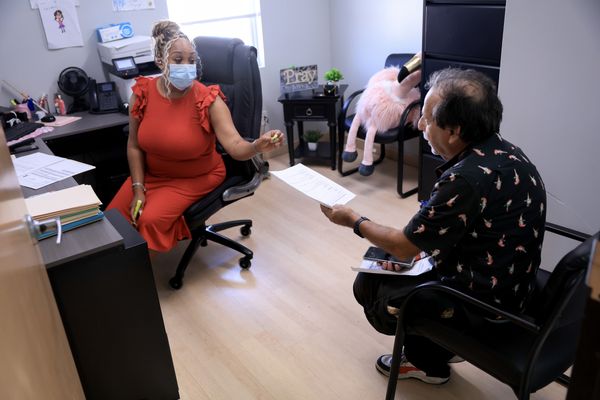
A well-written accommodation plan can help level the playing field for a student, but the document alone does not guarantee consistent support. Whether a child has an Individualized Education Program (IEP) or a Section 504 plan, success depends on accommodations being understood and applied throughout the school day. Parents often notice subtle patterns before anyone else, especially when grades, behavior, or stress levels suddenly change. Recognizing these warning signs early can help families start productive conversations with educators instead of waiting for small concerns to become larger problems.
1. Your Child Is Frequently Surprised by Missed Supports
One of the earliest signs is when a student regularly says they forgot to ask for extra time, a quiet testing space, or another listed accommodation. Many accommodations should be provided proactively rather than only when a student remembers to request them. For example, a child with documented extended testing time should not have to negotiate for it before every quiz. Consistent implementation helps reduce unnecessary anxiety and creates predictable learning conditions. Experts note that accommodations are intended to remove barriers, not create additional hurdles for students.
2. Different Teachers Handle Accommodations Differently
Students often have several teachers throughout the day, and consistency matters. If one teacher routinely follows the plan while another rarely does, families may notice uneven academic performance between classes. This difference does not automatically mean anyone is intentionally ignoring the plan, but it may indicate communication gaps or inconsistent implementation. Keeping respectful notes about specific situations can help identify patterns before discussing them with the school. Clear communication often resolves misunderstandings more effectively than assumptions.
3. Classroom Performance Doesn’t Match Home Performance
A child who completes assignments successfully at home but struggles during classroom assessments may be missing needed supports. For instance, a student who performs well with extra processing time at home may have difficulty finishing timed classroom tests without that accommodation. Looking at work samples from different settings can provide valuable context. Sharing these examples during meetings helps keep discussions focused on observable facts instead of frustration. This practical approach often leads to more productive problem-solving.
4. Your Child Begins Avoiding School
Children rarely explain school avoidance with legal or educational terminology. Instead, they may complain about headaches, stomachaches, or simply say school feels overwhelming. While many factors can contribute to school reluctance, parents should consider whether classroom supports are being delivered consistently. Addressing concerns early can prevent unnecessary stress while allowing the school to review current practices together with the family. Open communication benefits everyone involved.
5. Progress Stalls Despite a Strong Accommodation Plan
A detailed accommodation plan may look excellent during meetings, yet progress should still be monitored over time. If report cards, assessments, or classroom participation show little improvement despite appropriate interventions, it may be worth reviewing how accommodations are working in daily practice. Sometimes the issue is not the plan itself but how consistently supports are delivered or whether they remain appropriate for the student’s current needs. Regular review meetings provide opportunities to make thoughtful adjustments. Effective accommodations should evolve as students grow.
6. Communication Between Home and School Becomes Unclear
Parents should generally understand how accommodations are being implemented without needing constant reminders. If updates become vague or questions receive conflicting answers, it may be time to request clarification. A simple conversation focused on specific examples often uncovers misunderstandings that can be corrected quickly. Bringing dated notes, assignments, or teacher emails helps keep discussions objective. Collaborative communication usually produces better outcomes than assuming the worst.
7. Meetings Focus More on the Document Than Daily Practice
Review meetings sometimes spend significant time discussing paperwork while leaving little room to examine how supports function in the classroom. Families may benefit from asking practical questions, such as how accommodations are implemented during quizzes, group work, or substitute teacher days. These real-world examples provide a clearer picture than simply reviewing written language. Schools and families share the same goal of helping students access learning successfully. Focusing on daily experiences often leads to more meaningful conversations than reviewing forms alone.
Looking Beyond the Paper Plan
A written plan is only one part of supporting student success. The most effective school accommodations become part of a student’s daily learning experience through consistent communication and teamwork. Families who document observations, ask thoughtful questions, and work collaboratively with educators are often better positioned to identify solutions before problems grow.
Have you ever noticed a difference between what an accommodation plan says and what happens in the classroom? Share your experience or advice in the comments to help other families navigating similar situations.
What to Read Next
Key Questions to Ask Before Agreeing to a Shortened School Day
Understanding Hidden Costs of Starting a New Therapy Schedule During the School Year
A Closer Look at School-Bus Details Parents of Autistic Children Should Confirm in Writing
The post 7 Signs a School Accommodation Exists on Paper but Not in Practice appeared first on Kids Ain't Cheap.