Airports aren't exactly known for being stress-free. Security lines, gate changes and questionable in-flight meals make it easy to feel as if your trip is off-course before takeoff.
But frequent flyers have a few golden rules they rely on to make travel smoother and more manageable. With spring travel ramping up and passenger volumes continuing to climb, a little preparation can make a big difference at busy airports.
Whether you're planning a vacation or flying regularly for work, these seven rules can make your next flight smoother, healthier and, dare I say, more enjoyable.
1. Turn left at TSA (seriously)
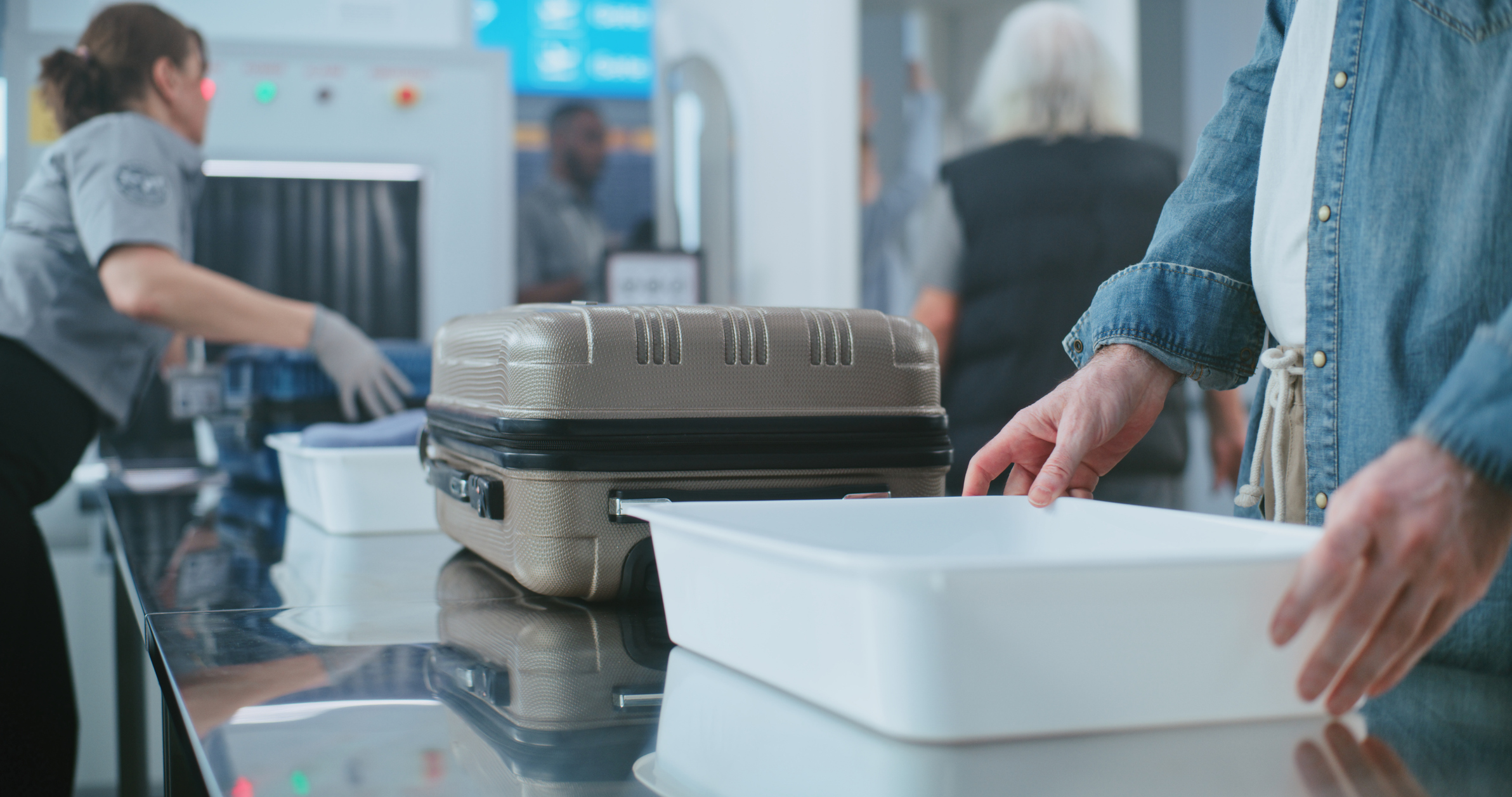
This tip is more psychology than security strategy. Studies show that because most people are right-handed, they tend to veer right in queues, even at airport security.
That means the leftmost TSA line is often shorter and faster. It's not foolproof, but it's a smart way to skip unnecessary waits.
If there are multiple checkpoints, don't follow the crowd. A short walk to a quieter checkpoint can save more time than you'd spend waiting in the closest line.
2. Bag your cash
You'd be surprised how much money travelers leave behind at TSA checkpoints. The TSA collected more than $939,814.20 in loose change in 2024 alone. Coins, cash, even cards can slip through bins unnoticed in the hustle to grab your shoes and laptop.
Before you get to security, stash your coins, cash and small items in a zippered pouch inside your carry-on. You'll sail through the scanner and leave with the same amount of money with which you arrived.
3. Outsmart jet lag with your watch
Want to fight jet lag before it starts? Change your watch to your destination's time zone before you board the plane. It's a psychological trick, but a powerful one. Shifting your mindset early can help adjust your sleep schedule and eating habits more naturally in transit.
Although some flight schedules won't make it easy (like by serving meals and dimming lights at certain times), try syncing meals and naps to the destination schedule midflight. You'll arrive less groggy and be ready to explore or dive into that work meeting.
There are even some apps out there to try to help you with this. Timeshifter claims it will help you adjust in the lead-up to your trip, giving you a schedule to follow to prepare you for the adjustment.
4. Bring disinfecting wipes — and use them
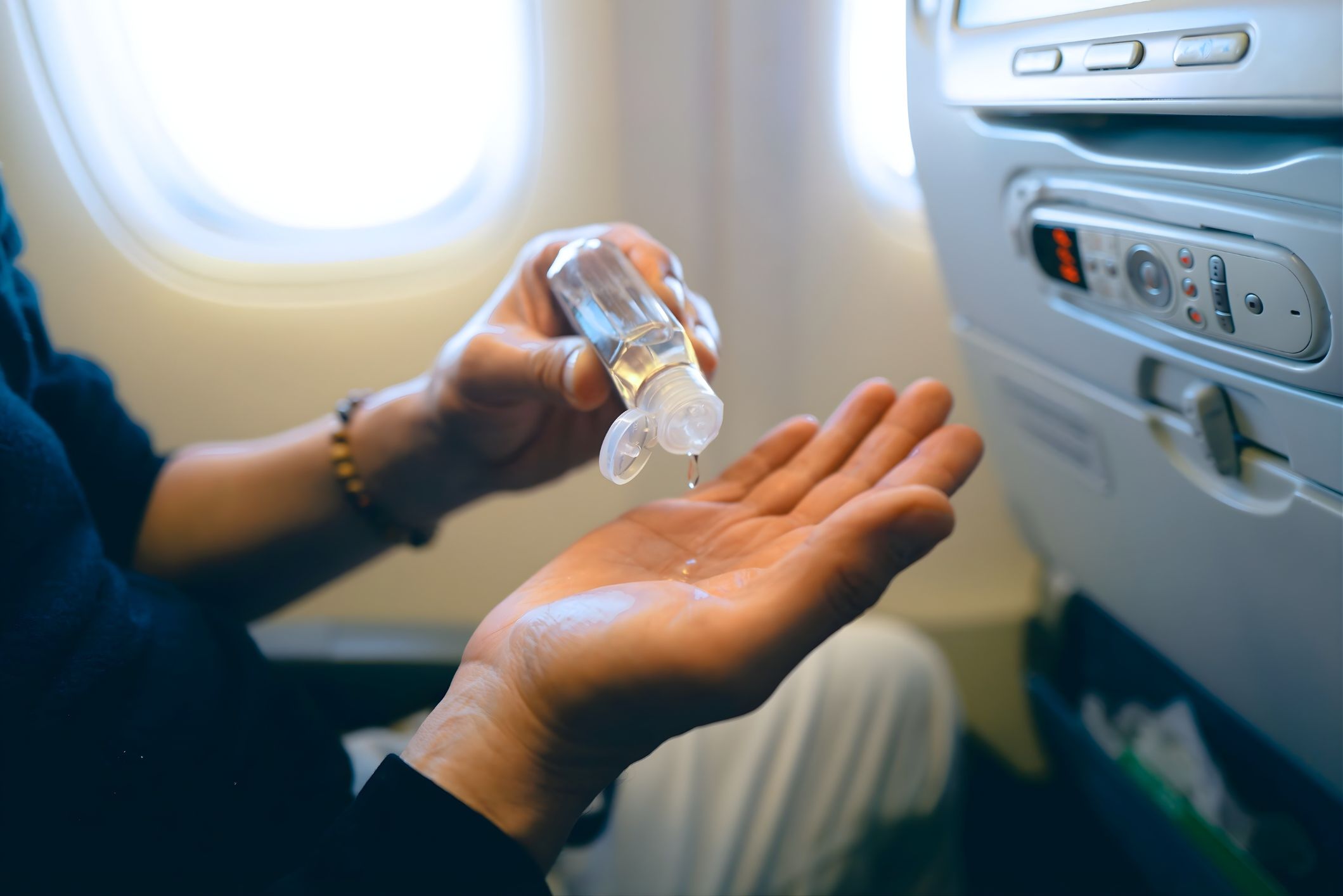
Let's be real: Plane tray tables, armrests and seatbelt buckles aren't exactly pristine. Studies have found that tray tables often harbor more bacteria than the lavatory flush button.
It's perfectly acceptable to give your seat area a wipe-down. Frequent flyers do it without shame. Carry a small travel-sized hand sanitizer as well. Your immune system will thank you.
Seat pockets can be germ havens, too. Skip storing snacks or personal items there, especially if they're unwrapped.
5. Bring your own (non-alcoholic) drinks onboard
Sitting on an airplane can cause dehydration, which can in turn cause headaches and increased stress. Skip this by bringing your own drinks on board.
Keep in mind that you can't bring liquids through security. While you can always buy the $8 plastic bottle of water at the airport once you're through security, you can also do what smart flyers do and bring an empty water bottle with you from home to fill up in the terminal.
And if you're a coffee drinker, you may have heard that there's some debate over the cleanliness of airplane-brewed coffee. One workaround is, again, to bring your own empty, insulated bottle to fill at an airport coffee shop once you're past security.
One more key point to remember if you're planning to bring your own drinks on the plane: It's against the law to drink alcoholic beverages on a plane that you have brought with you. And you might want to skip the alcohol completely, anyway: It causes more dehydration, among other risks.
6. Call the airline instead of waiting in line
When a flight gets delayed or canceled, most passengers scramble to the nearest gate agent; but seasoned travelers know to pick up the phone fast.
Calling the airline's customer service line can often get you rebooked or rerouted before you reach the front of the physical line.
Save the airline's customer service number in your phone, and download the carrier's app. Mobile check-in, real-time updates and instant rebooking can save you major headaches.
7. Choose your seat like a pro
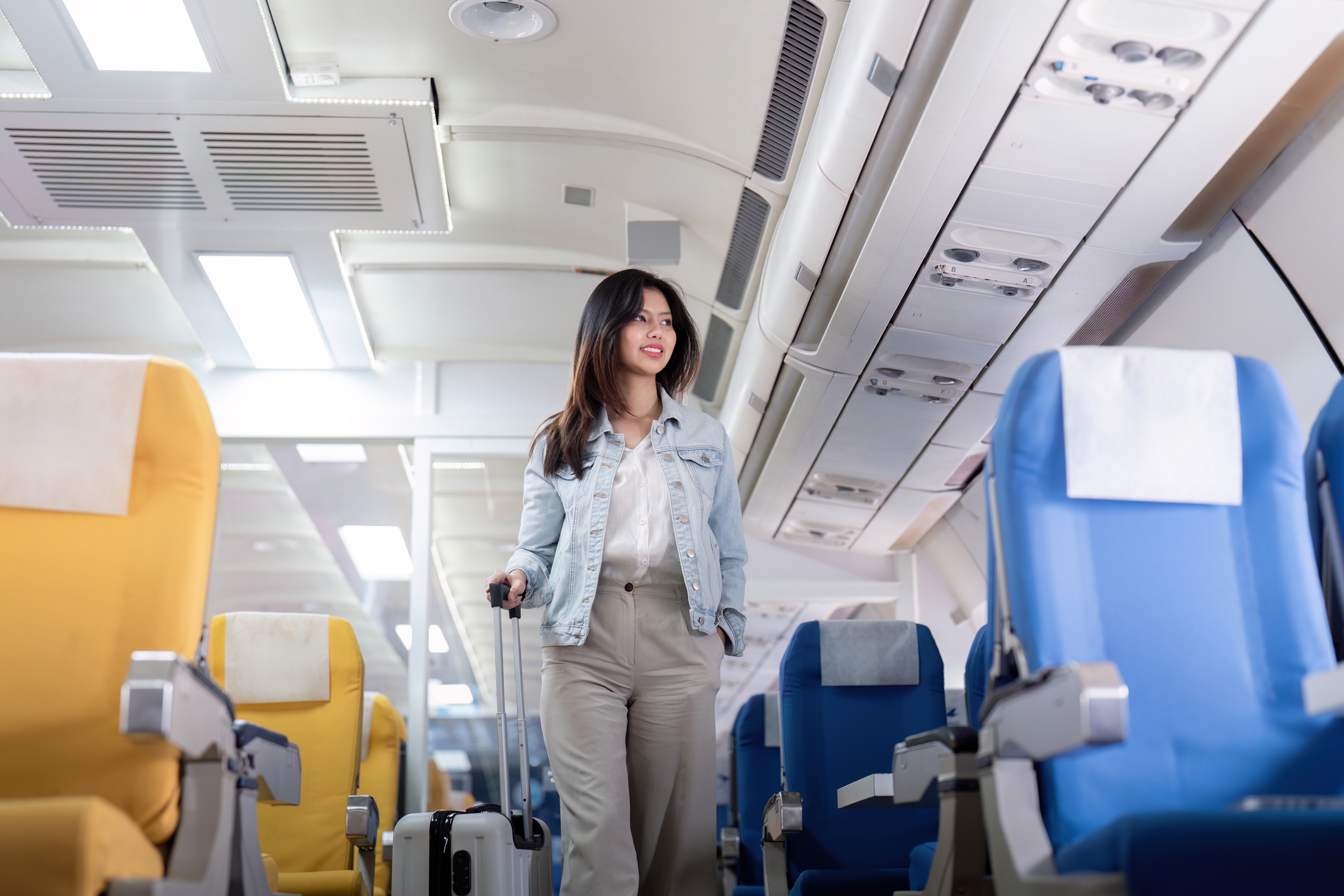
Picking the right seat can mean the difference between a restful flight and one that feels like a cramped endurance test.
Frequent flyers know that where you sit can affect everything from your comfort and sleep to how quickly you get off the plane, and they've developed a seat-selection strategy to match.
- Aisle seats are the top pick for travelers who like easy access to the bathroom or need to stretch their legs regularly. They're especially ideal for tall flyers or those who want to be first in line when the beverage cart rolls by. The downside? You might be jostled by fellow passengers or carts. You'll also have to get up every time your seatmate wants to move.
- Window seats are great for nappers and scenery lovers. You can rest your head against the wall, control your exposure to light and avoid being disturbed by someone needing to pass by. The trade-off: Less freedom to move, especially on long-haul flights.
- The middle seat is rarely a frequent flyer's first choice. But if you do end up sandwiched in the center, pack noise-canceling headphones and claim both armrests (why not?)
The front of the plane tends to be quieter and allows you to deplane faster, which is helpful if you're rushing to a connection. It also experiences less turbulence, making it a smoother ride overall.
Of course, though, there's often a price to pay for those more in-demand seats. Many of the best travel rewards cards offer discounts and upgrades.
Final boarding call
Travel will never be perfect, but with the right mindset and a few clever rules from seasoned flyers, you can cut down on the chaos and enjoy the journey. These small changes add up to smoother experiences, healthier habits and fewer travel regrets.