Image source: shutterstock.com
Many parents assume after-school programs are a safe extension of the classroom, but rising injury rates suggest otherwise. As more families rely on structured care between 3 p.m. and 6 p.m., these programs often juggle crowded groups, mixed-age activities, and limited supervision. Understanding the real risks helps parents advocate for safer environments and make better choices for their children. Here are the most common reasons kids get hurt—and what you can do about it.
1. Inadequate Supervision in After-school programs
Many programs operate with fewer adults than they truly need, creating long stretches where kids aren’t being closely watched. Staff members may be pulled into administrative tasks, leaving fewer eyes on active groups. When children have room to roam without guidance, small problems escalate into unsafe situations. Rough play, boundary-pushing, and accidental injuries become more likely. Parents should ask about the staff-to-child ratio before enrolling.
2. Unstructured Play That Turns Risky
Free play is important, but without structure, kids often shift into high-speed games that can get out of hand. After-school programs sometimes allow children to choose activities without providing enough direction. Running, climbing, and chasing in tight spaces raise the odds of collisions and falls. Kids don’t always recognize when play becomes unsafe. A clear set of rules and supervised zones can keep excitement from turning into injuries.
3. Poorly Maintained Equipment at After-school programs
From play structures to sports gear, worn-out equipment is a major contributor to preventable injuries. Programs may rely on older items that haven’t been inspected or repaired in years. Broken swings, loose bolts, or outdated mats can quickly create dangerous situations. Kids often don’t notice hazards until it’s too late. Parents can request a maintenance schedule or ask who handles inspections to ensure equipment stays safe.
4. Staff Not Properly Trained for Emergencies
Many after-school programs hire caring individuals who enjoy working with kids, but not all of them have strong safety or first-aid training. When an accident happens, unprepared staff may freeze or respond incorrectly. Delayed or improper responses can turn minor injuries into major issues. Kids need adults who know how to act quickly and confidently. Programs should provide ongoing training so staff can handle medical situations calmly and correctly.
5. Overcrowded Activities That Don’t Meet Capacity Limits
Some after-school programs take on more children than their space was designed to support. Overcrowding makes it harder to supervise, easier for kids to bump into each other, and more difficult to control group dynamics. Furniture, equipment, and narrow hallways add even more risks. Kids naturally become louder and more energetic in crowded settings, which increases the chance of accidents. Choosing a program with appropriate enrollment limits can significantly reduce injury risk.
6. High-Energy Games Without Safety Rules in After-school programs
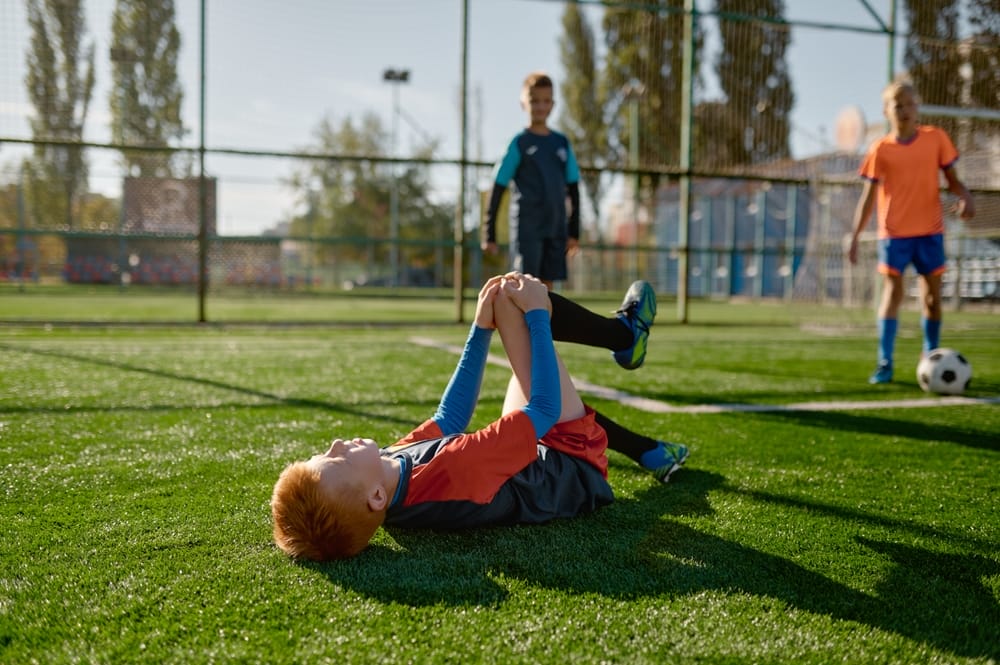
Popular activities like tag, soccer, or dodgeball are fun but can be risky without clear expectations. Without boundaries, games often escalate in speed and intensity. Kids may push, trip, or collide because no one paused to review safety guidelines. Staff should set rules and model safe behavior, especially for mixed-age groups. Parents can ask how are structured to ensure safety is built into the fun.
7. Lack of Communication About Behavior Issues
Sometimes the biggest risks come from ongoing behavior concerns that programs fail to share with families. When a child struggles with aggression, impulsivity, or rule-following, the entire group can be affected. Programs that avoid tough conversations may allow patterns to continue until someone gets hurt. Transparent communication helps everyone respond consistently. Parents should choose programs that value honesty and partnership when addressing challenging behavior.
What Parents Can Do to Make After-school programs Safer
Parents play a major role in making after-school programs safer by asking informed questions and staying involved. Visiting the program at least once during active hours can reveal strengths and red flags. Talking with staff about rules, training, and communication shows that safety is a priority for your family. Kids also benefit when parents discuss expectations for behavior and following directions. When families and programs work together, children are far less likely to get hurt.
What safety improvements would you like to see in the after-school programs in your community?
What to Read Next…
8 After-School Activities That Drain Family Budgets the Fastest
7 Ways Schools Fail to Hold Bullies Accountable
School Safety Warning: The Real Reason Some Lockdown Drills Are Backfiring
5 School Field Trip Threads That Expose Emotional Trauma Risks
7 After-School Activities That Are Quietly Putting Kids in Danger
The post 7 Reasons Kids Are Getting Hurt in After-School Programs appeared first on Kids Ain't Cheap.