Summer sunshine can make a backyard feel inviting one minute and scorching the next. While umbrellas, awnings, and fans certainly help, many gardeners overlook one of nature’s best cooling systems: plants. The right trees, shrubs, vines, and ground covers can lower temperatures around patios, walkways, and outdoor gathering spaces while adding beauty and character to the landscape.
Plants work as natural air conditioners in several ways. Their leaves provide shade, their roots help retain soil moisture, and the process of transpiration releases water vapor into the air. Together, these effects can make outdoor areas feel noticeably more comfortable during hot weather. For homeowners looking to create a cooler, greener retreat without relying solely on expensive outdoor structures, these seven plants deserve a spot on the planting list.
1. Red Maple Creates Instant Shade and Seasonal Beauty
A mature red maple earns its reputation as one of the hardest-working landscape trees. Its broad canopy casts generous shade across lawns, patios, and sitting areas, helping reduce direct sunlight during the hottest parts of the day. Large shade trees often make the biggest difference in outdoor comfort because they block heat before it reaches the ground.
Beyond cooling benefits, red maples deliver visual interest throughout the year. Their lush green foliage creates a refreshing summer backdrop, while their brilliant fall color steals the show later in the season. Gardeners who plant a shade tree often notice that nearby seating areas become much more enjoyable during summer afternoons.
Choosing the right location matters. A red maple needs room to spread as it matures. Placing it strategically on the west or southwest side of a property can help maximize afternoon shade where it matters most.
Patience also pays off. While homeowners may not enjoy full cooling benefits immediately, the long-term rewards make this tree a valuable investment in both comfort and curb appeal. A healthy shade tree can completely change how a backyard feels during peak summer heat.
2. River Birch Adds Cooling Coverage Without Heavy Maintenance
River birch stands out as an excellent choice for gardeners seeking fast growth and attractive bark. Its airy canopy filters sunlight instead of blocking every ray, creating pleasant dappled shade that keeps outdoor spaces cooler while maintaining an open feel.
Many homeowners appreciate river birch because it tolerates a variety of soil conditions. It also handles wetter areas better than many popular landscape trees. This adaptability allows gardeners to use it in locations where other shade trees may struggle.
The tree’s distinctive peeling bark provides year-round visual appeal. During winter, when leaves disappear, the bark continues to add texture and interest to the landscape. That extra ornamental value makes river birch more than just a practical cooling solution.
Groups of river birch trees often create a particularly attractive cooling zone. Their combined canopies provide more shade while maintaining a natural woodland appearance. For outdoor spaces that need relief from summer heat without feeling enclosed, river birch offers an excellent balance.
3. American Wisteria Turns Pergolas Into Cool Retreats
Not every cooling plant needs to be a tree. American wisteria transforms pergolas, trellises, and arbors into shaded outdoor escapes that feel dramatically cooler during summer months. Its vigorous growth quickly creates a living canopy overhead.
The hanging clusters of purple flowers add a bonus layer of beauty during bloom season. Even after flowering ends, the dense foliage continues providing valuable shade throughout the warmest months of the year.
Gardeners should choose American wisteria rather than invasive Asian varieties. American selections offer the same attractive appearance while remaining easier to manage. Proper pruning keeps growth under control and encourages healthy development.
A vine-covered pergola often creates one of the most comfortable spots in the yard. The shade softens harsh sunlight while allowing gentle airflow underneath the structure. That combination of protection and ventilation makes wisteria-covered spaces especially inviting for outdoor dining and relaxation.
4. Oakleaf Hydrangea Helps Cool Foundation Plantings
Many people focus exclusively on trees when searching for cooling plants, but shrubs contribute as well. Oakleaf hydrangea creates dense foliage that shades soil, reduces reflected heat, and helps maintain cooler conditions around foundations and walkways.
Its large leaves act like miniature umbrellas over the soil surface. By reducing direct sunlight exposure, the shrub helps retain moisture and minimize temperature fluctuations around plant roots.
Oakleaf hydrangea also offers exceptional seasonal interest. Large flower clusters brighten summer landscapes, while colorful fall foliage extends its appeal long after flowering ends. Few shrubs provide so many benefits from a single planting.
Partial shade locations often suit this plant best. In those settings, it develops lush growth while helping create cooler garden pockets throughout the landscape. Layering shrubs beneath taller trees can significantly increase the cooling effect in outdoor spaces.
5. Southern Magnolia Delivers Shade With Evergreen Appeal
Southern magnolia combines elegance and function in a way few trees can match. Its glossy evergreen leaves provide shade throughout the year while creating a dense canopy that blocks intense sunlight during summer.
The tree’s large white flowers add dramatic beauty and fragrance. When in bloom, southern magnolia becomes a focal point that draws attention from across the yard. Its visual impact rivals its cooling benefits.
Because it retains foliage year-round, southern magnolia continues moderating temperatures even when deciduous trees lose their leaves. This feature also adds privacy and wind protection in many landscapes.
Gardeners should account for its mature size before planting. A southern magnolia needs sufficient room to reach its full potential. When space allows, this tree creates one of the most impressive shade-producing features available for residential landscapes.
6. Creeping Thyme Cools the Ground Beneath Your Feet
Hot pavement and exposed soil often make outdoor spaces feel even warmer than the air temperature suggests. Creeping thyme helps address that issue by covering bare ground with a dense carpet of foliage.
Unlike stone or mulch that absorbs and radiates heat, living ground covers create a cooler surface environment. Creeping thyme spreads gradually, filling gaps between stepping stones and along pathways while reducing heat buildup.
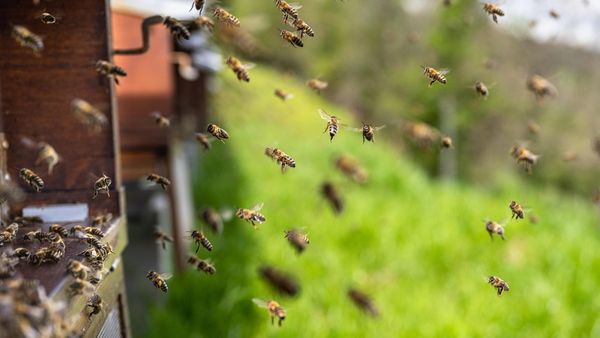
The tiny flowers attract pollinators, adding ecological benefits to its practical advantages. Bees frequently visit blooming thyme, bringing extra life and movement into the garden.
This plant also handles light foot traffic well. Gardeners often use it between pavers where traditional grass struggles to grow. Small changes at ground level can noticeably improve comfort throughout a landscape.
7. Bamboo Creates a Fast-Growing Privacy and Cooling Screen
Certain clumping bamboo varieties provide rapid results for homeowners seeking shade and privacy. Their tall stems and dense foliage create natural screens that block sunlight and reduce heat around patios and outdoor living spaces.
Bamboo introduces movement and sound as breezes rustle through the leaves. That sensory experience often makes outdoor spaces feel cooler and more relaxing, even before temperatures actually change.
Selecting clumping varieties remains essential. Running bamboo can spread aggressively and create maintenance challenges. Responsible plant selection prevents future headaches.
Many gardeners use bamboo to shield western exposures where intense afternoon sun creates uncomfortable conditions. A well-placed screen can dramatically improve outdoor comfort. The vertical growth habit also makes bamboo useful in smaller yards where large trees may not fit.
A Cooler Backyard Starts With Smarter Plant Choices
Creating a more comfortable outdoor space does not always require expensive renovations or elaborate structures. Strategic planting can reduce heat, increase shade, improve moisture retention, and transform a sunbaked yard into a welcoming retreat. Trees, shrubs, vines, and ground covers each play a role in building a landscape that works with nature instead of against it.
Which of these cooling plants would you most like to add to your yard? Give us your thoughts and gardening plans in the comments below.
You May Also Like…
The “Guerilla” Gardening Move: Beautifying Your Street for Free
8 Plants That Help Create Natural Backyard Shade
9 Backyard Habits That Can Accidentally Invite Pests
10 Plants That Can Survive Brutal Southern Summers
9 Backyard Projects That Make Summer More Enjoyable Without Spending Much
The post 7 Plants That Help Keep Outdoor Spaces Cooler Naturally appeared first on Frugal Gardening.