
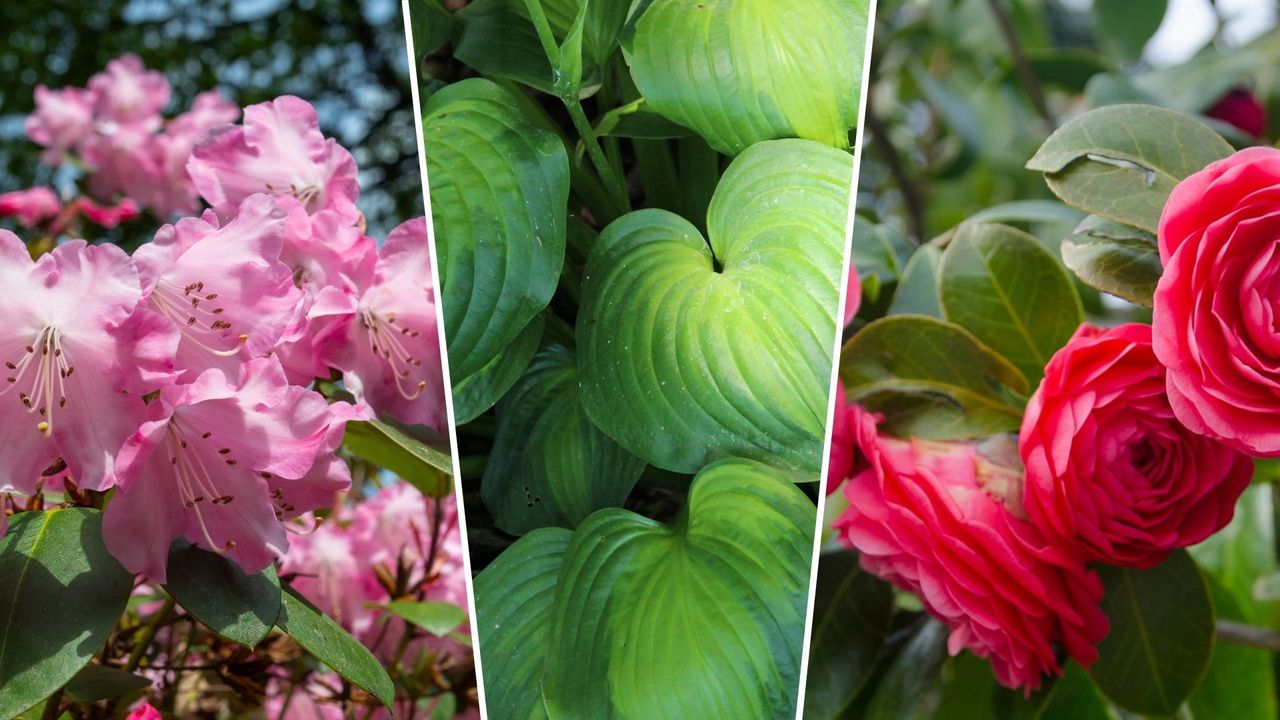
When your garden doesn't get much sun, it can be quite challenging to make it look full and thriving, and if you don't know which plants to try, you'll have a hard time growing anything at all.
But instead of focusing solely on popular garden trends, you need to consider which plants will actually work for your space due to the amount of sun your plot gets.
That way, the next time you sort your garden out, you'll be able to fill it with plants that will live for longer than a month and even start thriving in the shady space you have.
7 plants every north-facing garden needs, recommended by experts
If you own a north-facing garden, you've no doubt not had to wonder how to keep cool in the garden during the summer. With spaces that naturally don't get sun, it's not just sunbathing that can be a difficulty.
The majority of garden plants need plenty of sun to thrive, so when you don't have plenty of it on offer, it's easy to give up hope of a blossoming garden. But fear not, these plants are the saving grace you've been looking for.
1. Camellia
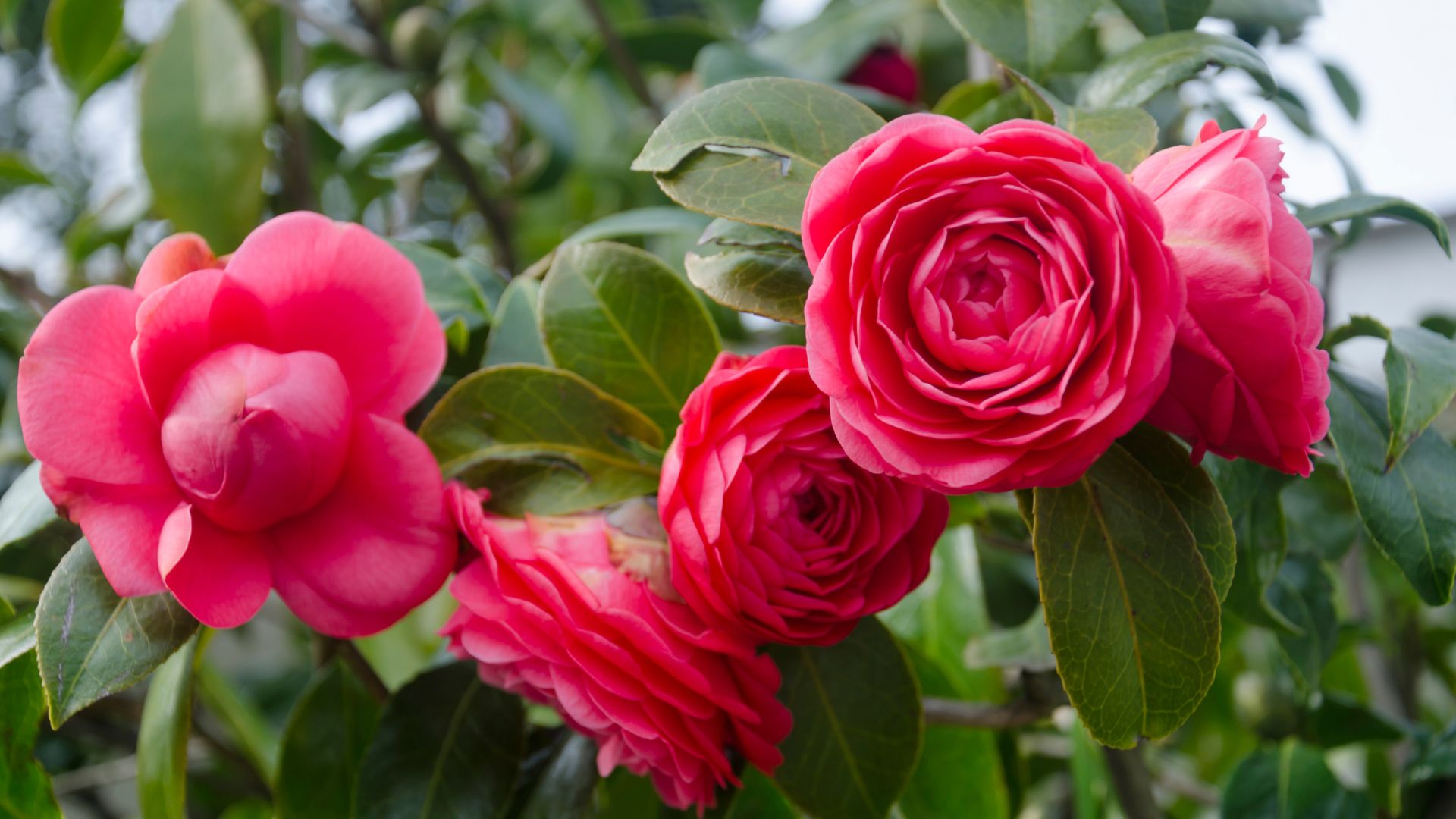
As one of the best plants for shade, camellias are the perfect addition to a north-facing garden. Even without the sun, they manage to produce the most stunning, colourful blooms.
"Camellias are well-suited to north-facing gardens as the flowers will open more slowly and can last longer, making late frosts less damaging to the plant as the flowers thaw gradually instead of quickly," explains Richard Barker, Horticulture expert and Managing Director at LBS Horticulture.
"In their native habitats, camellias are woodland plants, so they will thrive in the shade offered by a north-facing garden."
This variety collection of three 9cm potted plants comes ready to repot, whether that's into a border or a patio container.
2. Rhododendron
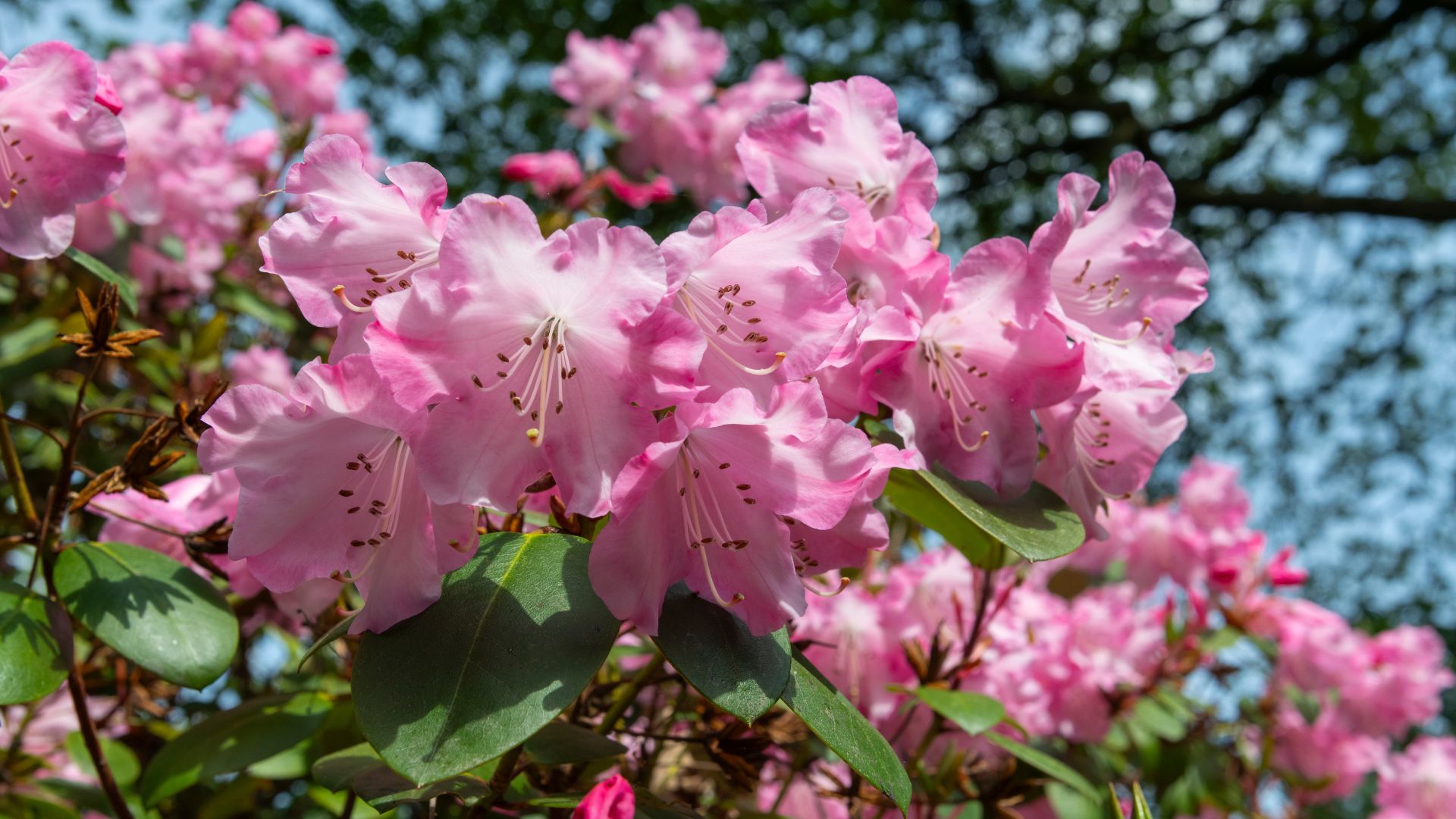
Not only are Rhododendrons low maintenance because they're one of the plants you needn't prune in summer, but they're also brilliant growers in shade.
"Rhododendrons are another plant that thrives in the shade provided by north-facing gardens, but they prefer dappled shade over deep shade," says Richard. "They will grow best in soil that is neutral or acidic, but can be planted in pots using ericaceous compost if you do not have the right soil in your garden."
You can find out your soil type pretty easily, and testing its pH can be done with an at-home testing kit.
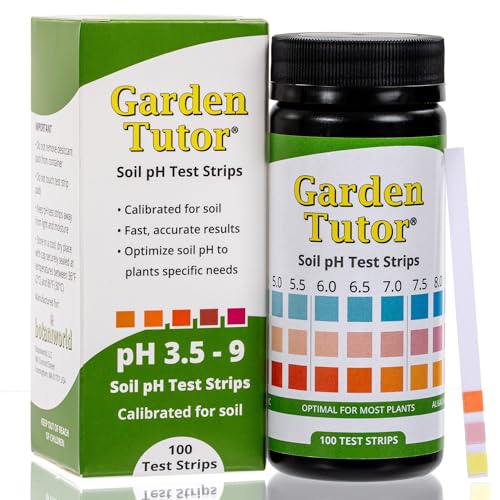
This kit provides you with 100 soil PH test strips to accurately test acidity levels, showing results in 60 seconds. It's incredibly easy to use again and again, including a detailed coloured handbook with lime and sulphur application charts.
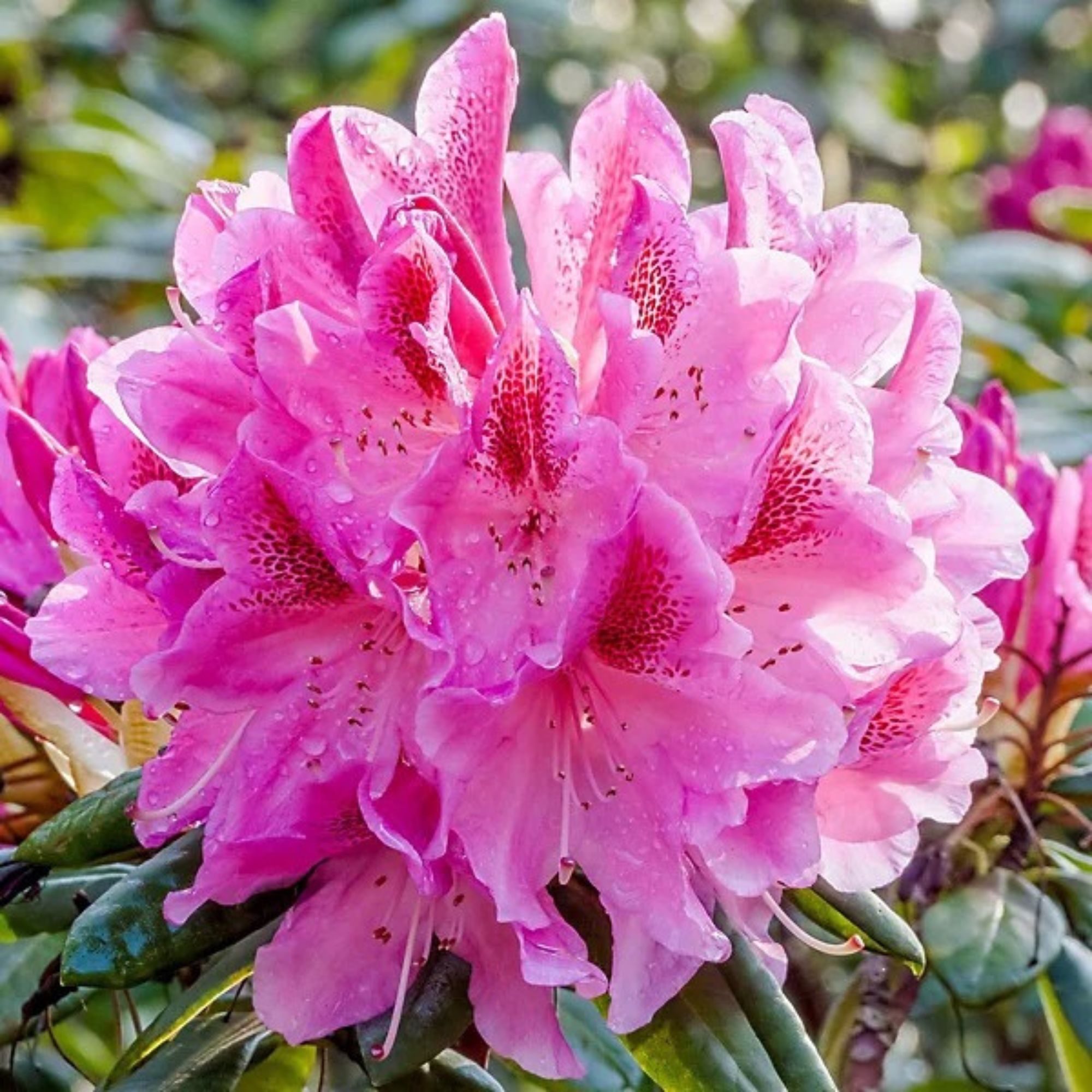
B&Q offer a few rhododendron varieties; each one is ideal for bringing both colour and lushness to your north-facing garden.
3. Hostas
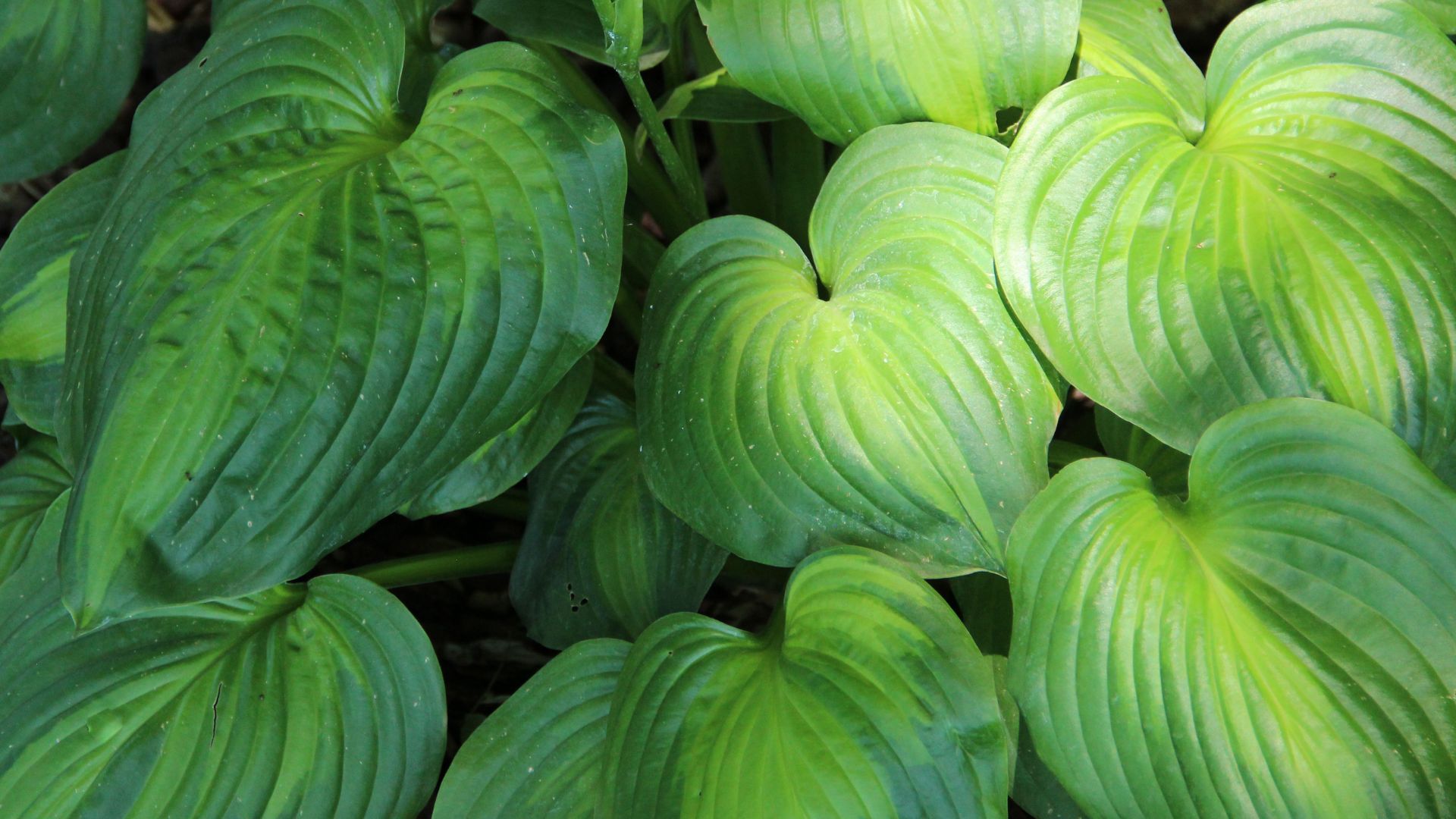
Not only are hostas great for the shade, but they're one of the best plants for wet gardens too, so if your outdoor space is particularly gloomy, these are the ones for you.
"Hostas are a great choice for north-facing gardens as they thrive in partial to full shade, with the level of shade tolerance depending on the variety that you are growing. Varieties that have green leaves generally tolerate the most shade, whereas varieties with yellow leaves may prefer more sunlight," points out Richard.
Hostas are a sturdy plant, and are happy to grow in just about any type of garden. They'll make your space look lush and add all the greenery.
4. Bleeding Heart
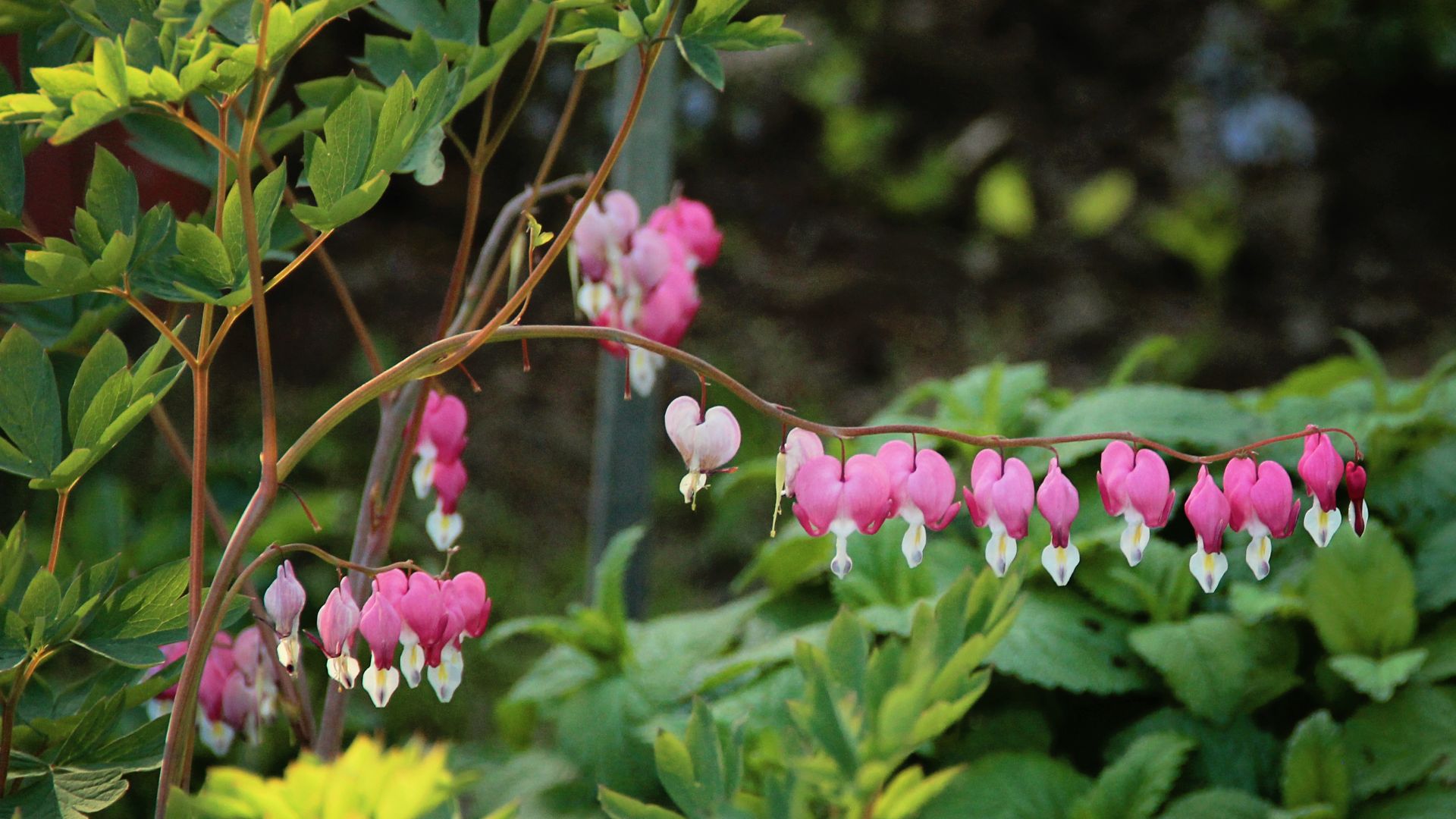
Perhaps one of the prettiest climbing plants you can add to your garden, bleeding hearts are more than happy to grow with partial to full shade.
"Bleeding heart is known for its heart-shaped flowers, and it thrives in the dappled shade that can be provided by north-facing gardens," starts Richard. "As too much direct sun can cause the plant to enter dormancy early and shorten the blooming period."
"When planting, they are best grown in a location with partial to full shade, but they can tolerate some sun if their soil is kept consistently moist," he adds.
These plants offer a lot of colour and character for such a low-maintenance species. They're a perennial shrub that makes a great addition to any shady borders you have.
5. Hellebores
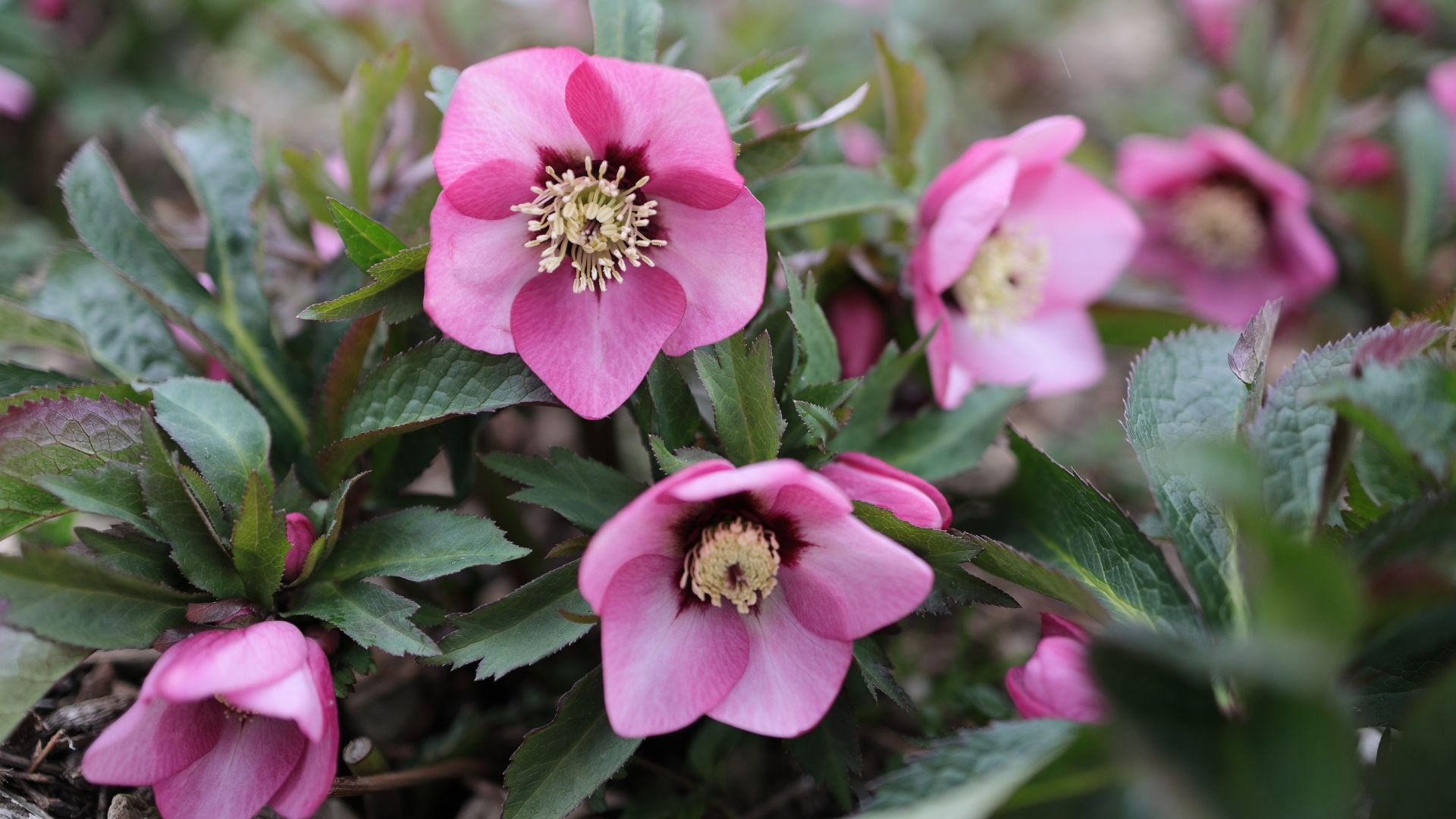
As one of the best winter bedding plants to fill your garden with, it should come as no surprise that Hellebores are ideal for north-facing gardens.
"Hellebores are one of the most reliable performers in a north-facing garden because they flower in late winter to early spring, well before many other plants get going," explains Russell Sharp, Founder of Eutrema.
"They prefer a sheltered spot in partial to full shade with free-draining but moisture-retentive soil, and they’re best planted slightly proud of the soil line to avoid crown rot. Remove older leaves in late winter to help the flowers stand out and keep the plant looking clean," he recommends.
If you want your garden to look full even in the colder months, then hellebores are a great choice as they flower between February and April.
6. Astilbe
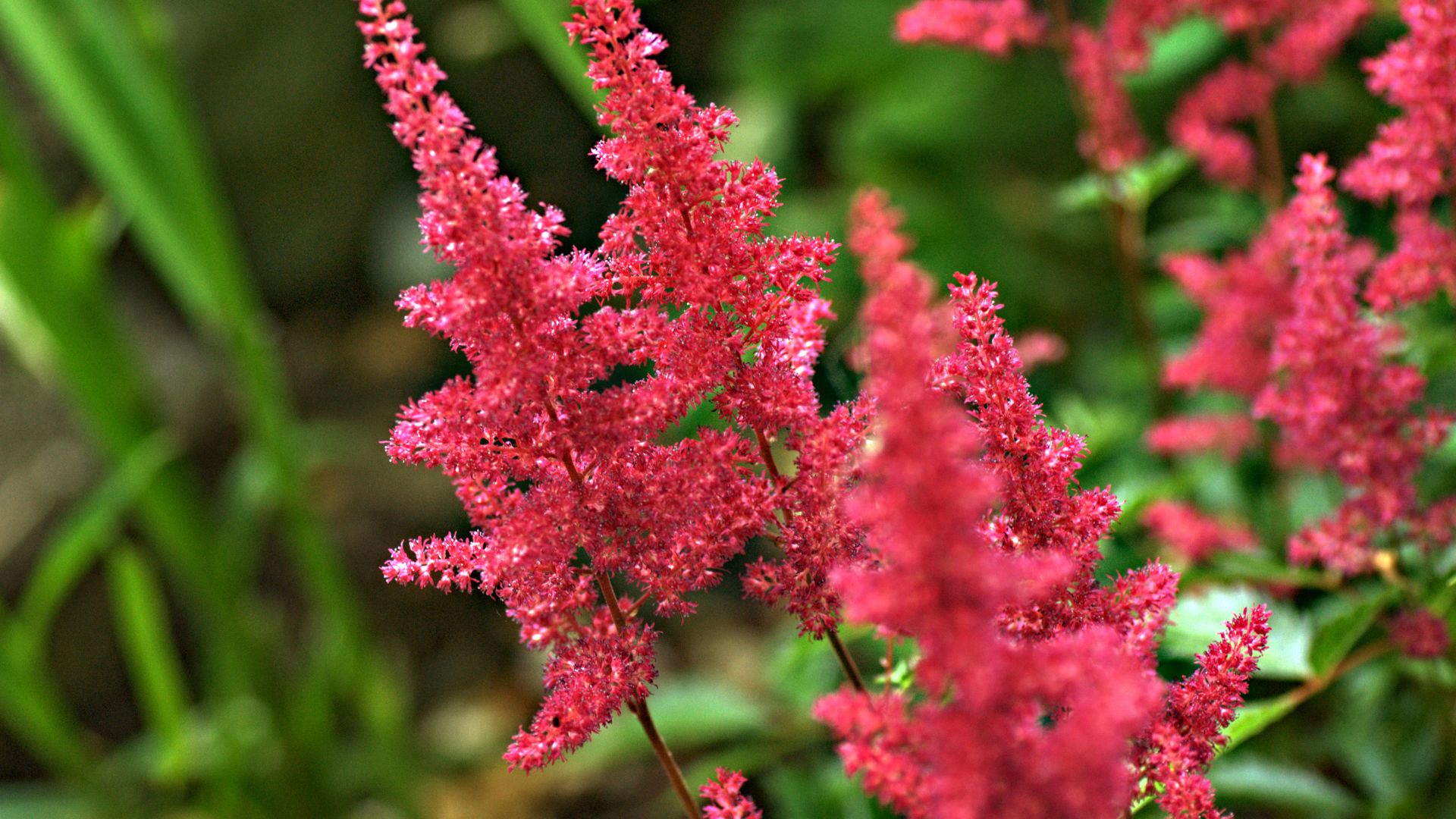
Thanks to its bold pink hue, astilbe is a favourite alluring plant that gardeners add to their plot. And because of their colour, they look fantastic in a shady garden.
"Astilbe works particularly well where the soil doesn’t dry out and produces soft, feathery plumes in summer that can bring height and movement to shaded borders," says Russell.
"It prefers consistently moist, humus-rich soil and does best when planted in groups so the flowers have more visual impact. In drier shade, it can struggle, so add organic matter and mulch regularly," he continues.
Add a little of personality to your garden with this pretty in pink astilbe. This one will come around 15-30cm and is ready to be added to a border or container.
7. Sarcococca
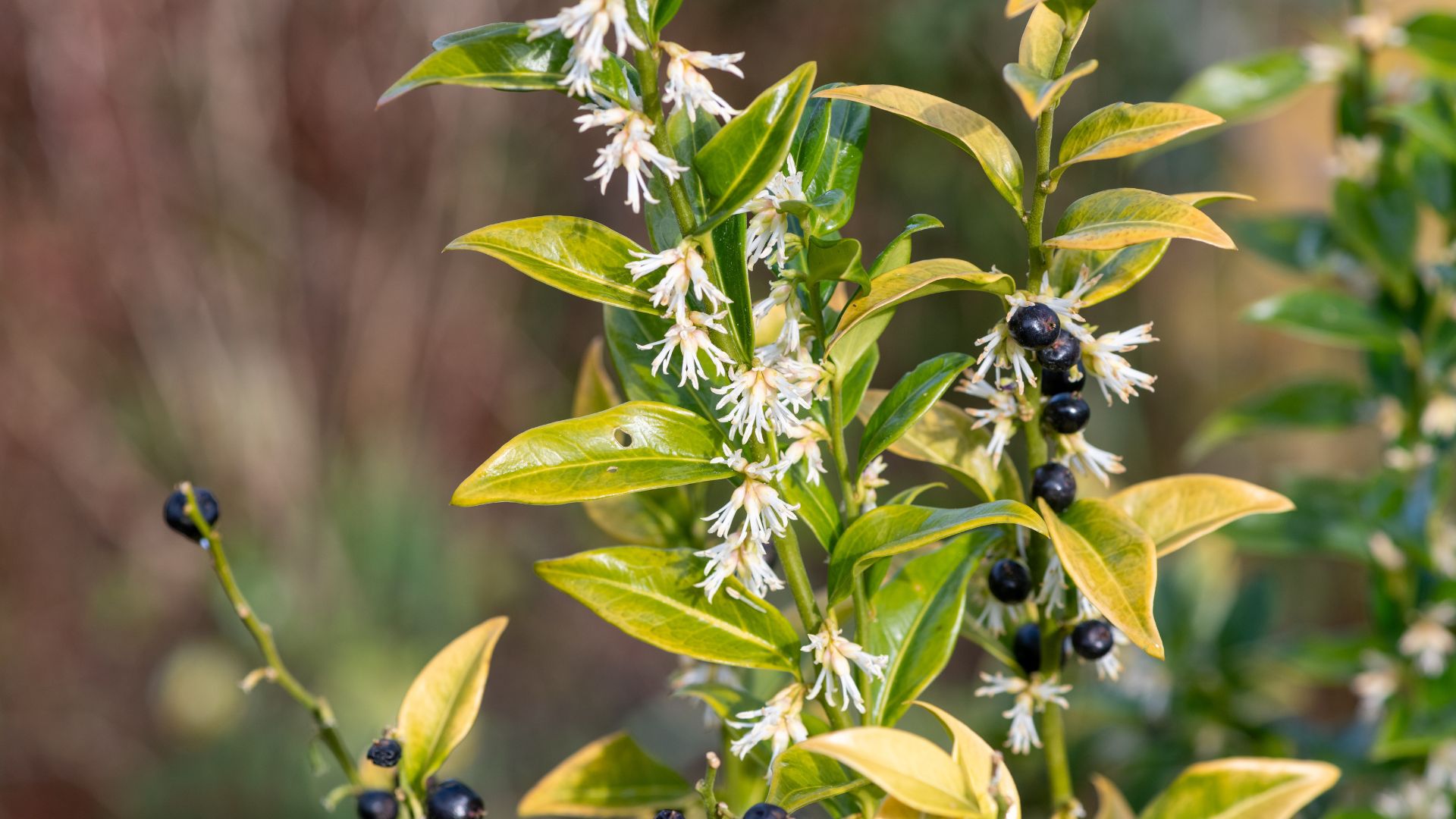
When your garden conditions aren't ideal, picking tough plants that can thrive in tough places is the best way to go.
"Sarcococca (often known as sweet box) is an evergreen shrub that earns its place in a north-facing garden for its glossy leaves and fragrant winter flowers," starts Russell.
"It’s well-suited to dry shade once established and can be planted in borders or near pathways. It requires very little maintenance beyond occasional shaping and benefits from a sheltered position out of cold winds," he adds.
Another impressive winter bloomer, this plant will add some wonderful glossy leaves and fragrant flowers to your plot.
FAQs
How to brighten up a north-facing garden?
Should you want to transform your garden on a limited budget and make your north-facing space a little more inviting, there are a few plants you can use.
"Lean into pale, variegated and silver foliage, for example, Euonymus Emerald n Gold, brunnera, some hostas and lamium Beacon Silver, then repeat those tones at intervals so the border reads as lighter from multiple viewpoints," says Russell.
"White and lime flowers also show up clearly in low light, so hellebores with pale blooms, an alba foxglove, and light-toned hydrangeas can lift a scheme without needing sun. Glossy leaves help too because they catch and bounce ambient light, which is one reason skimmia and sarcococca are so effective in darker corners," he continues.
"Keeping the front edge planted with lighter foliage prevents the shaded border from looking like a single dark block, and regular removal of tired leaves on plants like hellebores and hostas helps keep the display crisp," adds Russell.
What are the disadvantages of a north-facing garden?
Although there are various ways to make the most of your shady garden, it's important to know what issues you'll face when owning a north-facing garden.
"The main limitation is reduced direct sun, so many sun-loving plants will flower poorly, and growth can be slower, especially in spring when the soil warms late. Cooler shade often stays wetter for longer, which increases the importance of Drainage and airflow around crowns," begins Russell.
"If water sits, roots become oxygen-starved, and problems like rot increase. Improving soil structure with well-rotted organic matter can help water move through more evenly, and slight mounding can keep sensitive crowns out of persistent wet. Slugs and snails also tend to thrive in shaded, moist conditions, so young hostas and fresh shoots can be vulnerable," he continues.
Will hydrangeas grow in a north-facing garden?
It might not matter when you plant your hydrangeas if they're never going to get any sun in your garden. And while you shouldn't give up on growing them, the beloved flower does have certain needs.
"Hydrangeas can do well on a north-facing aspect if it is bright shade rather than deep, enclosed gloom," points out Russell. "Hydrangea arborescens Annabelle is a strong option because it flowers reliably with less sun than many shrubs, and some Hydrangea macrophylla and Hydrangea serrata cultivars will also bloom if they have open sky and a few hours of good ambient light."
"In very deep shade, expect fewer flowers and more leaves. Keep soil evenly moist but not waterlogged, mulch to buffer moisture swings, and feed lightly in spring with balanced plant feeds or a gentle fertiliser rather than heavy, repeated feeding," he finishes.
Should you also struggle with space in your garden, then you can choose the flowers best suited for small spaces.
You might think your north-facing garden is a lost cause and that it'll never look lush or inviting thanks to the lack of sun. But these plants are certain to change all of that.