

“क्लेशोऽधिकतरस्तेषामव्यक्तासक्तचेतसाम्।”
When the mind is restless and burdened, the path feels harder to walk.
There are moments in life when faith is not loud or celebratory. It becomes quiet, internal, almost fragile. In such phases, people do not look for grand rituals or elaborate answers. They look for something steady, something that can be held onto when everything else feels uncertain.
For many devotees, that steadiness comes from the names of Lord Vishnu. Not as magic words, but as reminders of balance, protection, patience, and continuity. Each name reflects a specific aspect of Vishnu’s role as the preserver of order in times of chaos. When life feels darkest, these names offer structure to faith and calm to the mind.
1. Vishnu: The One Who Holds Everything Together
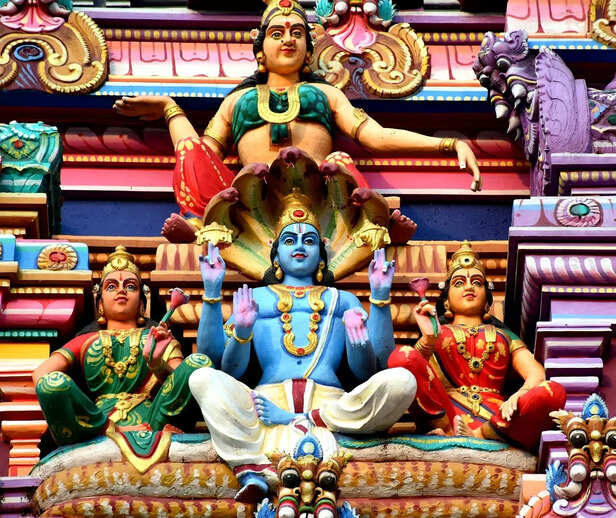
The name Vishnu itself comes from the idea of pervasion. It means the one who is present everywhere and within everything. In difficult phases, this name reassures devotees that nothing exists outside divine awareness.
When life feels scattered or overwhelming, chanting Vishnu is a way of grounding the mind. It reinforces the belief that disorder is temporary and that an underlying balance continues to exist, even if it is not immediately visible.
2. Narayana: Shelter for the Overburdened Mind
Narayana is often understood as the ultimate refuge. The name carries the idea of resting in something greater than oneself.
During dark phases, people often feel isolated in their struggles. Narayana represents shelter without judgment. Chanting this name is not about seeking solutions instantly. It is about surrendering the weight of fear and mental fatigue to a force believed to be capable of holding it.
3. Hari: The Remover of Inner Burdens

Hari is one of the most emotionally resonant names of Vishnu. It signifies removal. Not just of external problems, but of inner heaviness.
Devotees trust this name when the mind feels clouded by guilt, regret, or repeated negative thoughts. Chanting Hari is believed to help loosen emotional knots that logic cannot untangle. The name reflects the idea that clarity often comes by releasing what weighs the heart down.
4. Govinda: The Guide Through Confusion
Govinda is associated with guidance and protection. The name suggests someone who leads gently rather than commands forcefully.
In dark phases, confusion often hurts more than pain itself. Decisions feel heavy, and the fear of making the wrong choice becomes paralysing. Govinda represents the belief that guidance arrives when intention is sincere, even if the path unfolds slowly.
5. Madhava: Balance Between Heart and Mind
Madhava carries the presence of Lakshmi and symbolises harmony between material life and spiritual grounding.
People often struggle during dark phases because life feels either too harsh or too detached. Madhava reflects balance. Chanting this name reminds devotees that stability comes from aligning effort with patience, and desire with discipline. It reinforces the belief that material struggles do not negate spiritual support.
6. Achyuta: The One Who Never Fails
Achyuta means infallible. The one who does not slip, fall, or abandon.
This name holds deep meaning during moments of betrayal, disappointment, or loss of trust. When human support systems feel unreliable, Achyuta represents consistency. Devotees trust this name because it symbolises a presence that remains unchanged regardless of circumstances.
7. Venkateswara: Hope During the Age of Struggle
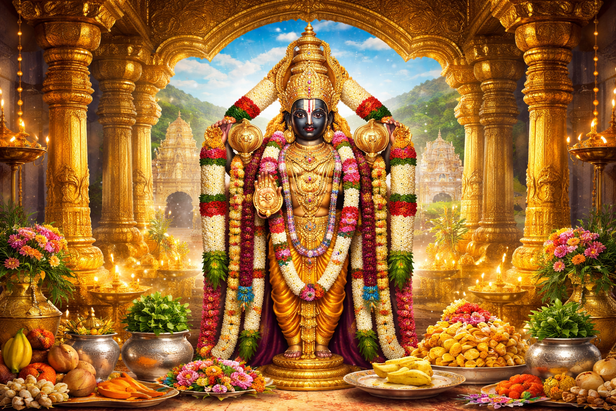
Venkateswara is especially revered as a form of Vishnu who chose to remain close to humanity during Kaliyuga.
This name resonates deeply during dark phases because it reflects accessibility. Venkateswara is believed to understand human suffering intimately. Chanting this name is not about reaching the heavens. It is about feeling that help is near, attentive, and patient.