
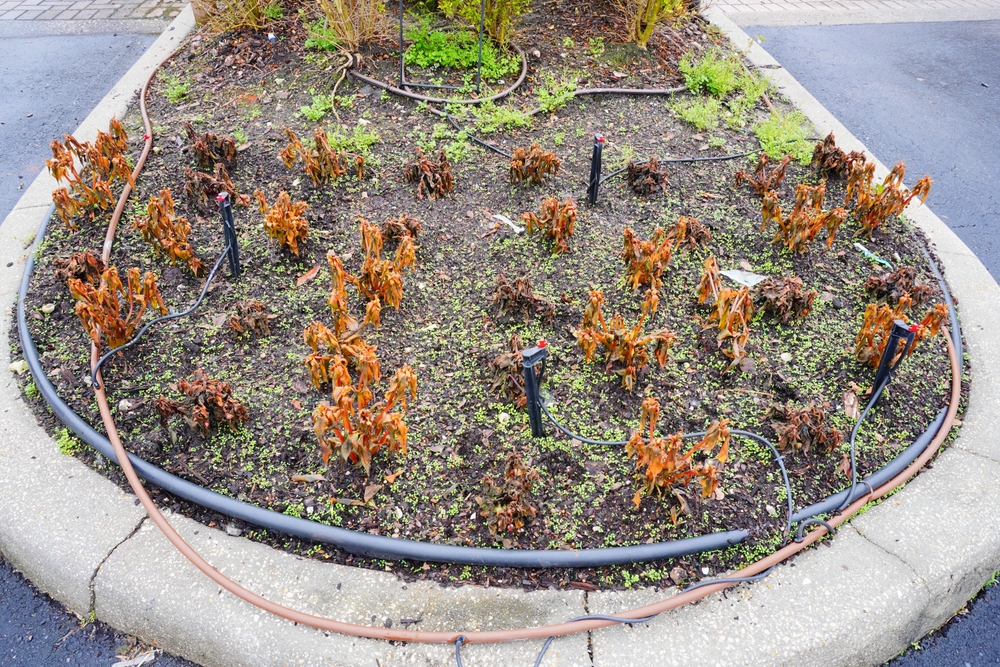
Winter can feel like a sly, shifty villain for your garden, creeping in with frost and icy winds ready to damage the roots that keep your plants alive. But you don’t have to sit idly by and watch your beloved greenery shiver through the cold. With the right mulch moves, you can turn your garden into a cozy winter wonderland for roots, insulating them from the harsh freeze and keeping them healthy for the spring bloom.
Whether you’re a seasoned gardener or a weekend plant enthusiast, these seven strategies will arm you with practical, effective, and surprisingly simple ways to protect your plants when temperatures drop.
1. Layer Thick And Stay Warm
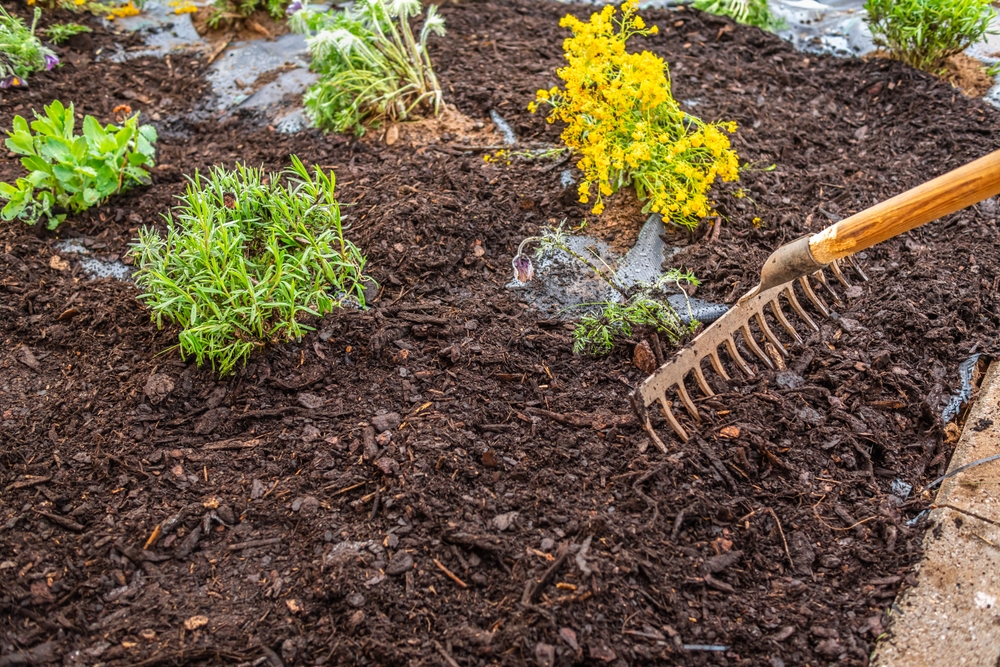
The first rule of winter root defense is simple: thicker is better. A generous layer of mulch acts like a thermal blanket, trapping heat in the soil and preventing those all-too-familiar frost cracks. Experts recommend layering mulch anywhere from 2 to 4 inches deep, depending on your soil type and the cold severity in your region. Be careful not to pile it directly against the base of stems or tree trunks, though—this can encourage rot. Straw, shredded leaves, and bark chips all work beautifully.
The key is consistent coverage, especially over the tender roots of perennials, shrubs, and newly planted trees. By giving your soil a thick, protective layer, you’re essentially installing a winter insulation system for your garden.
2. Choose Mulch With Insulating Power
Not all mulches are created equal, and some pack a stronger heat-trapping punch than others. Organic mulches like shredded hardwood, pine bark, or straw are excellent because they trap air pockets, which serve as natural insulation. Leaves and grass clippings can work, but they tend to compact, so layering them loosely is essential. Avoid fine mulches that can become icy or frozen solid in extreme temperatures—they’ll defeat the purpose. The ideal mulch cushions roots, regulates temperature, and even adds nutrients as it decomposes. Think of your mulch as a multitasking superhero: it insulates, feeds, and protects all in one fell swoop. By choosing wisely, your plants can survive the coldest nights with confidence.
3. Apply Mulch Before Frost Hits
Timing is everything in gardening, and mulch is no exception. Applying mulch too early can trap moisture against soil and roots, creating an inviting environment for mold and pests. Apply mulch once the soil has cooled but before the first hard frost arrives—this is usually late fall in most regions. This timing ensures the soil retains some warmth while preventing plants from going into shock. Don’t wait until the ground is frozen solid; mulch can’t work its magic if roots are already stressed by freezing temperatures. Think of this move as your preemptive strike against frost damage—a proactive, preventative measure that your plants will thank you for come spring.
4. Protect Young And Shallow-Rooted Plants
Young plants and those with shallow root systems are especially vulnerable to freezing. They can’t tap into the deeper, warmer soil, making them prime candidates for mulch protection. For these sensitive plants, consider adding an extra 1–2 inches of mulch on top of your standard layer. You can even create a small, loose “mulch dome” around the base for added protection. Avoid compacting the mulch; airy insulation works best.
This tactic keeps the delicate root zone shielded from harsh winds and temperature swings. It’s like giving your plant a tiny winter coat tailored just for them—small adjustments make a huge difference.
5. Watch Moisture Levels Carefully
Mulch can help retain soil moisture during winter, but too much water can be dangerous. Wet soil that freezes can expand and damage roots, so monitoring moisture levels is key. Make sure your soil is slightly damp before applying mulch, not soaked. During winter thaws, check the soil under the mulch to ensure it isn’t soggy or icy. Well-managed moisture levels prevent root suffocation while keeping the insulating benefits intact. By balancing water and mulch, you give roots a stable environment that’s neither too dry nor too wet. It’s a delicate dance, but one that pays off with healthier, more resilient plants.
6. Create Windbreaks With Mulch And Barriers
Cold wind is a sneaky culprit that can suck warmth right out of soil. Combining mulch with physical windbreaks—like burlap screens, fencing, or even strategically placed rocks—can enhance root protection. Mulch alone is excellent for insulation, but pairing it with windbreaks minimizes temperature fluctuations above and below the soil surface.
This is especially important for exposed garden beds or newly planted saplings. By strategically placing your mulch and wind barriers, you create a mini microclimate that keeps roots cozy and safe. It’s an extra layer of defense that goes beyond ordinary winter prep.
7. Refresh And Adjust Mulch As Needed
Winter weather can be unpredictable, and mulch isn’t a set-it-and-forget-it solution. Heavy snow, wind, and animal activity can displace your mulch, leaving roots exposed. Periodically check your garden beds and refresh your mulch layers as needed. Fluff it up to maintain air pockets and top off thin spots.
This simple adjustment keeps the insulating barrier effective throughout the season. Treat mulch like a living shield: it needs attention, just like your plants. By staying vigilant, you ensure that roots remain protected from freeze damage, no matter how harsh the winter gets.
Keep The Mulching Conversation Growing
Mulching isn’t just a chore—it’s a winter strategy that gives your plants a fighting chance against the cold. From thick layers to insulating choices, timing, and careful adjustments, these seven moves create a root-friendly environment that survives frost and freezes. Gardens thrive when we pay attention to the small details, and mulch is one of the most powerful tools in your seasonal arsenal.
Have you tried any of these techniques in your own garden? Or discovered creative mulch hacks that saved your plants in cold weather? Write about your experiences and thoughts in the comments section, because it’s always exciting to see what fellow gardeners have learned and tried.
You May Also Like…
Is Mulching Early a Smart Money-Saving Move?
Could Snow Be the Best Mulch Your Garden Gets All Year?
5 DIY Raised Beds That Keep Working Under Frost
Are Your Garden Containers Rated for Frost or Will They Crack?
Why Mulch Thickness Matters Most Now
The post 7 Mulch Moves That Prevent Freeze Damage to Roots appeared first on Frugal Gardening.