While inflation grabs the headlines, grocery retailers have been quietly implementing structural policy changes that erode consumer purchasing power just as effectively as rising prices. These operational shifts often masquerade as efficiency upgrades or sustainability initiatives, yet their primary function is to transfer labor costs to the customer or force the purchase of higher-margin goods. Unlike a sticker price increase, which is visible and shocking, these subtle rule changes extract value slowly, ensuring that you pay more for the privilege of doing the work yourself.
1. The Shrinking of Service Counter Hours
In a bid to slash labor costs, many major chains have drastically reduced the operating hours for deli, meat, and seafood counters. By closing these service desks at 6:00 PM or 7:00 PM instead of 9:00 PM, stores force evening shoppers to bypass the custom-weight counter and head to the “grab-and-go” wall. Here, the pre-sliced meats and pre-portioned seafood fillets often cost significantly more per pound than the fresh, custom-cut options. You lose the ability to buy exactly a quarter-pound of turkey and are instead compelled to buy a one-pound tub of pre-packaged meat that may go to waste.
2. The Elimination of Pro-Rating
Historically, if a customer wanted to break a bundle—such as pulling one soda bottle from a plastic-wrapped six-pack—the cashier would scan it as a single item at a pro-rated price. Recently, point-of-sale policies have hardened. If you break a multipack now, the system frequently charges the full “single unit” convenience price, which can be 50% higher than the bundled rate. This rigid enforcement eliminates the bulk discount for anyone who lacks the storage space or cash flow to buy the full case.
3. Aggressive Digital-Only Gatekeeping
Weekly flyers used to offer sale prices to anyone who walked in the door. Now, retailers have instituted a policy of “digital gatekeeping,” where the deepest discounts are strictly locked behind app activation. If you pick up a bag of coffee marked $5.99 but fail to “clip” the digital coupon in the app, the register automatically charges you the full $9.99 shelf price. This policy effectively creates a two-tiered pricing system that penalizes the elderly, the unbanked, and the tech-averse.
4. The Rise of “Bag Fees” as Revenue Streams
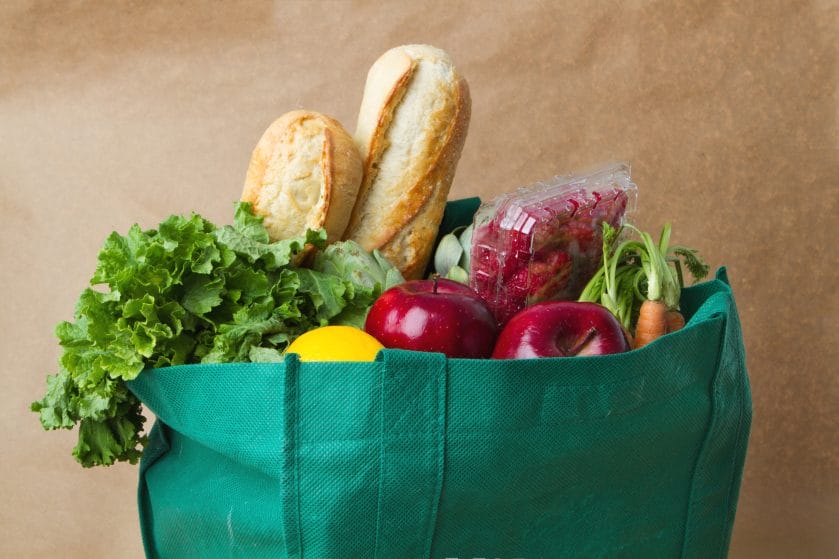
While initially introduced as environmental deterrents, bag fees have morphed into consistent revenue streams for retailers in unregulated states. Some stores now charge ten or fifteen cents for paper bags that cost them pennies to procure. Unlike taxes, this fee often goes directly to the store’s bottom line. For a family buying a cartload of groceries, this surcharge acts as a hidden “exit tax” added to every transaction.
5. Stricter Return Windows on Perishables
The era of the “no-questions-asked” return policy is fading. To combat food waste costs, many grocers have quietly shortened the return window for perishable items like produce and meat to 24 or 48 hours. If you buy an avocado that is brown on the inside but don’t return it until your next weekly trip, you are increasingly likely to be denied a refund. This policy shift transfers the financial risk of low-quality inventory entirely onto the shopper.
6. Self-Checkout Item Limits
In response to theft, stores like Target and Walmart are restricting self-checkout lanes to “10 items or less.” This forces shoppers with medium-sized carts into the few remaining staffed lanes, creating massive bottlenecks. The hidden cost here is time; waiting twenty minutes in line is an opportunity cost that degrades the shopping experience. Furthermore, standing in a stagnant line next to “impulse zones” filled with candy and magazines significantly increases the likelihood of unplanned spending.
7. The Removal of Rain Checks
Supply chain volatility gave retailers the excuse to suspend rain checks during the pandemic, but many have made this a permanent policy. If a sale item is out of stock today, you simply miss the deal. This prevents you from locking in a low price for future inventory, forcing you to either buy a more expensive substitute immediately or return to the store repeatedly, wasting fuel and time.
These policy changes represent a structural inflation that official government data often misses. By understanding that the rules of engagement have shifted, you can adjust your strategy—shopping earlier for deli meats, diligently clipping digital coupons, and inspecting produce aggressively—to protect your budget from these silent operational taxes.
What to Read Next
Checkout Teams Express Concern Over New Self-Scan Policy Adjustments
9 Retail Return Policy Secrets That Can Wreck Your Budget
6 Grocery Chains Changing Their Coupon Policy Without Announcing It
Costco Implements Stricter Policy for Free Samples—Shoppers React
6 Return Policy Nightmares Shoppers Hate
The post 7 Grocery Store “Policy Changes” That Quietly Cost Shoppers More appeared first on Grocery Coupon Guide.