
For decades, the traditional supermarket was the undisputed king of couponing. However, the retail landscape has fractured. Savvy shoppers now find that alternative grocery formats often provide better baseline prices and surprisingly robust coupon policies. By expanding your shopping territory beyond the standard grocery chain, you can unlock new layers of savings. These seven formats are rapidly becoming the new frontier for extreme value.
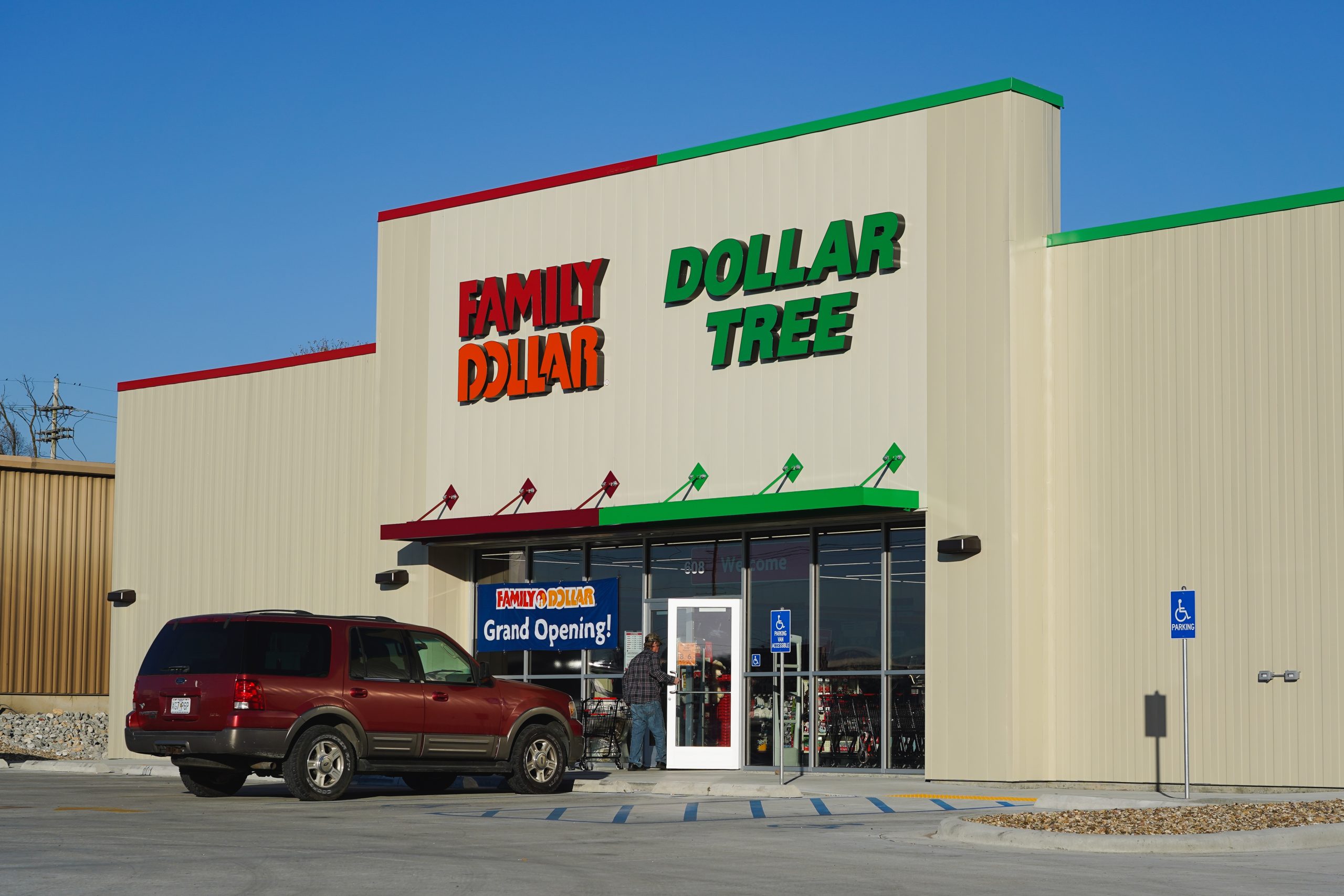
1. The Dollar Store Sector
Dollar stores like Dollar General and Family Dollar have evolved into legitimate grocery destinations. They no longer just sell cheap trinkets. They now stock full grocery aisles, including refrigerated and frozen sections. The real value lies in their digital platforms. Both chains offer robust apps with “digital coupons” that often rival major supermarkets. You can frequently stack a manufacturer’s coupon with a store-specific “spend $25, save $5” Saturday coupon for massive savings on name-brand cleaning supplies and pantry staples.
2. The Modern Drugstore
Chains like CVS and Walgreens are technically pharmacies, but their grocery aisles are hidden gems for couponers. These stores operate on a “high-low” pricing model. While their regular shelf prices are high, their rewards programs are incredibly generous. By stacking manufacturer coupons with “ExtraBucks” or “Walgreens Cash,” you can often get items like cereal, toothpaste, and snacks for free or nearly free. They are the best places to pick up small, shelf-stable items to fill the gaps in your pantry.
3. Warehouse Clubs
Costco, Sam’s Club, and BJ’s Wholesale Club require a membership, but the math often works in favor of the couponer. While Costco does not accept manufacturer coupons, it issues its own high-value “Instant Savings” booklets that automatically apply at checkout. BJ’s is unique because it is the only warehouse club that accepts manufacturer coupons. This allows you to stack a high-value paper coupon on top of a bulk-sized item, creating a price-per-unit that is impossible to beat elsewhere.
4. Salvage Grocery Stores
Salvage stores, also known as “bent-and-dent” or outlet grocers, sell products that traditional supermarkets have rejected. This might be due to a dented can, a near-expiration date, or a package redesign. The prices are typically 50% to 75% off standard retail. While they rarely accept paper coupons, the baseline price is so low that it beats even the best supermarket sale. They are a treasure hunt for adventurous shoppers who are willing to overlook a cosmetic flaw for a deep discount.
5. Ethnic Markets

Asian, Hispanic, and Middle Eastern grocery stores are often overlooked by mainstream couponers. This is a mistake. These markets frequently have significantly lower prices on produce, spices, and rice than traditional chains. They also often accept manufacturer coupons for national brands like condensed milk, soy sauce, or cleaning products. Combining the low produce prices with coupons for center-store items results in a very efficient shopping trip.
6. Online-Only Grocers
Digital-first retailers like Amazon Fresh and Thrive Market are aggressive about customer acquisition. They offer digital coupons that you can “clip” with a mouse click. Amazon Fresh frequently offers massive discounts, such as “$20 off your first $50 order,” to lure you away from physical stores. These platforms allow you to see the final price after coupons before you check out, eliminating the surprise at the register.
7. Restaurant Supply Stores
Stores like US Foods CHEF’STORE are open to the public and do not require a membership. They sell food in massive, restaurant-sized quantities. While you cannot use a standard coupon on a 50-pound bag of onions, the price per pound is unbeatable. For large families or meal preppers, treating these stores as a bulk-buying destination replaces the need for coupons on fresh meat and produce.
Diversify Your Shopping Portfolio
The most successful budget shoppers do not rely on a single store. They treat their city as a network of savings opportunities. By mixing and matching these seven formats, you can take advantage of the unique strengths of each. You can buy your toiletries at the drugstore, your bulk meat at the warehouse club, and your produce at the ethnic market. This diversified approach ensures you never pay full price for anything.
Which of these grocery formats do you visit most often? Do you have a favorite “alternative” store for finding deals? Let us know your strategy!
What to Read Next
12 Grocery Store Strategic Moves This Year That Affect Your Coupons
The Real Reason Coupons Are Vanishing From Sunday Papers
10 Grocery Items That Are Only Expensive Because of Marketing
8 Expiration Dates That Are Just Marketing Tricks
Are Companies Marketing Snacks for Kids Slowly Poisoning Them?
The post 7 Grocery Formats That Are Gaining Value for Coupon Savvy Shoppers appeared first on Grocery Coupon Guide.